

The Growing Debate in the U.S.
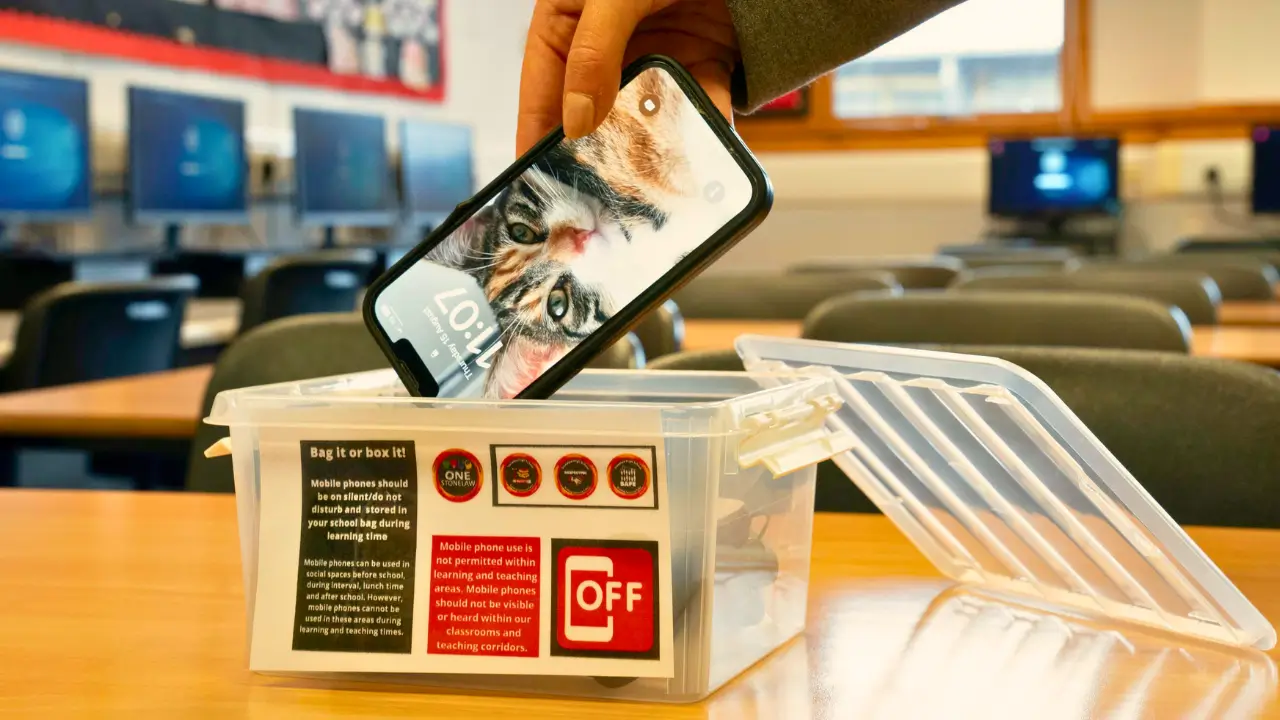
The ban on phones in schools has become a hot topic in the United States. From Florida to California, several states are introducing restrictions on mobile phone use during school hours. Supporters argue that the policy improves academic focus, mental health, and social interaction. Critics warn it may limit access to technology that is now part of modern learning.
But why is this issue gaining so much attention now, and who does it affect? Let’s explore the main reasons, objectives, and implications of this measure.
1. Academic Performance and Reduced Distractions
Studies consistently show that smartphones are one of the top classroom distractions. Notifications, games, and social media compete directly with learning.
- A 2023 Stanford University study found that schools with strict phone bans recorded a 6% increase in test scores.
- Teachers report that without phones, students engage more in discussions and retain information better.
2. Addressing Mental Health Concerns
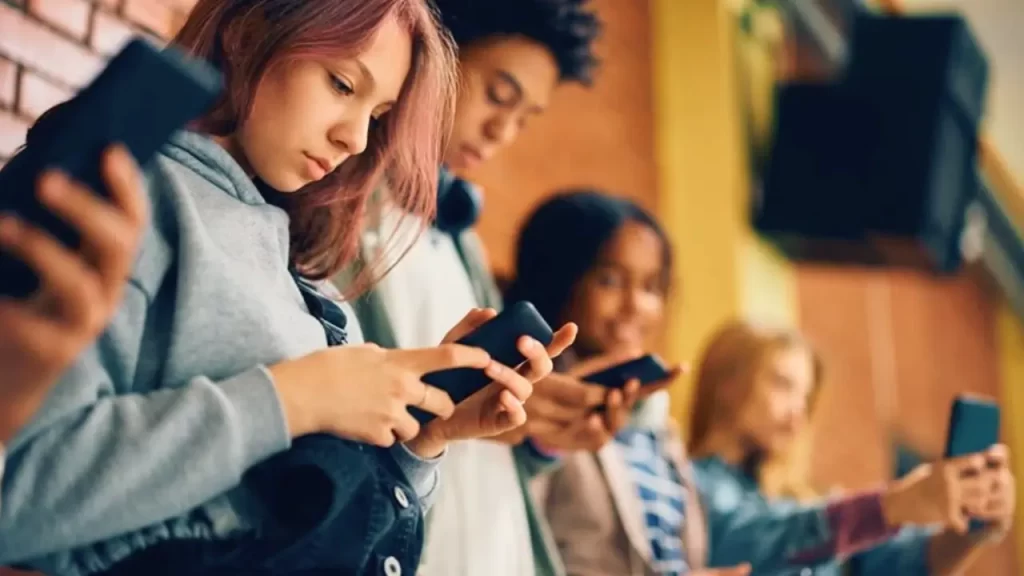
The mental health crisis among American youth is alarming. According to the CDC, over 40% of U.S. high school students reported persistent feelings of sadness or hopelessness in 2021.
- Limiting phone use helps reduce exposure to social media pressure.
- Schools adopting bans notice fewer cases of anxiety and cyberbullying during the school day.
3. Combating Cyberbullying and Online Harassment
Phones amplify the reach of bullying. Restricting them during school hours helps:
- Limit the spread of harmful content.
- Prevent unauthorized photo or video recordings.
- Reduce peer pressure linked to online trends.
4. Promoting Social Interaction and Life Skills
Without phones, students tend to engage more in face-to-face interactions, teamwork, and problem-solving.
Teachers in New York schools with bans report that lunchtime conversations have become livelier, with students playing board games or joining clubs instead of scrolling endlessly.
5. Equity and Inclusion in the Classroom
The smartphone is also a status symbol. Not all families can afford the latest iPhone, which may create social divisions.
| Scenario | With unrestricted phones | With phone bans |
| Social dynamics | Cliques based on phone models | Greater equality |
| Self-esteem | Linked to device status | Linked to participation |
| Inclusion | Students without phones feel excluded | Everyone at the same level |
6. Protecting Privacy and School Safety
Unauthorized recordings of teachers or peers often end up on social media, leading to harassment and reputational harm. Some districts also cite safety reasons: less phone use reduces distraction during emergency drills.

7. Different Rules for Students, Teachers, and Staff
Policies vary:
- K-12 Students: Most bans focus on elementary and high school students.
- Teachers: Expected to model behavior, using phones only for emergencies or teaching.
- College Students: Universities are less restrictive, emphasizing digital etiquette over prohibition.
8. International Inspiration
The U.S. isn’t alone. France banned phones in schools nationwide in 2018. The U.K. has encouraged restrictions since 2021. These international precedents strengthen the argument that reducing mobile distractions benefits education worldwide.
9. Preparing Students for a Balanced Digital Future
The goal isn’t to demonize technology but to teach responsible use. Schools are exploring alternatives:
- Providing tablets with restricted access for learning.
- Offering workshops on digital citizenship.
- Encouraging “tech-free zones” for healthy habits.
Challenges and Criticism
Not everyone supports the ban. Critics highlight:
- Phones as safety tools for emergencies.
- The importance of digital literacy in the modern economy.
- Difficulties enforcing the rules consistently.
Some districts compromise by allowing phones during lunch breaks or before/after classes but not during instruction.
Reflection
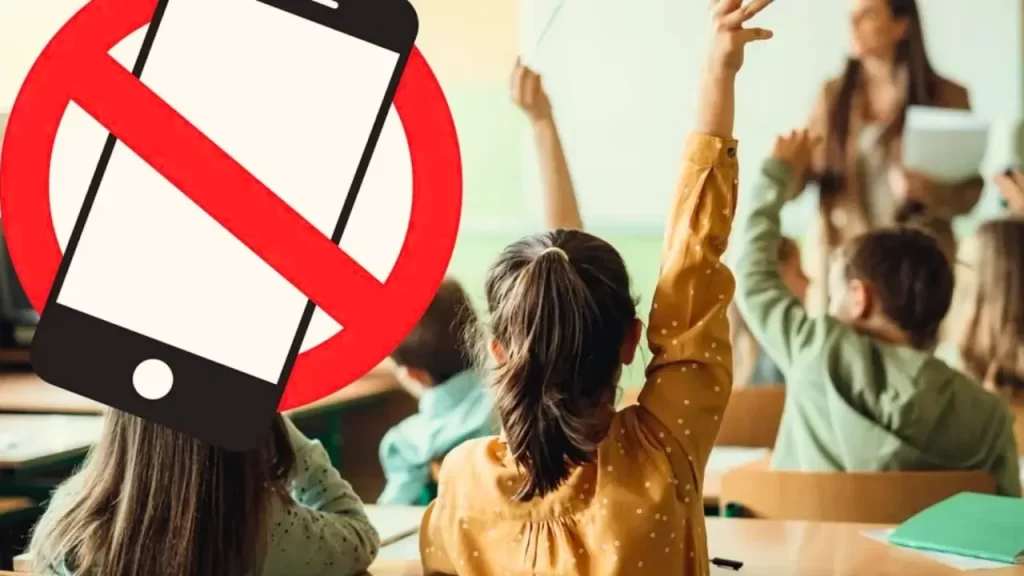
The ban on phones in schools in the U.S. is more than a disciplinary measure — it’s a cultural and educational debate. At its heart lies a question: how can we raise digital-native generations to thrive academically, emotionally, and socially while navigating technology responsibly?
📢 Share this article with parents, educators, or students who are part of this discussion.
👉 Also read:
- Pumpkin Spice Magic: 7 Reasons to Embrace the Fall Favorite
- 10 Ways to Romanticize Your Life and Make Every Day Magical
- 10 Powerful Benefits of Journaling for Daily Wellbeing
- Unbreakable Strength: Lessons from Afghanistan’s Survivors
- Unlock Your Aura: 9 Powerful Ways to Cleanse and Shine

Hi, I’m Gui Perine, the voice and heart behind Your Life in Full Bloom. I have a background in communication and a deep love for emotional wellness, meaningful words, and the beauty of simple living. Traveling is my way of reconnecting with life and myself. Through my writing, I hope to inspire moments of presence, gentleness, and clarity. May you always feel at home here, and within yourself.



2 thoughts on “Ban on Phones in Schools: 9 Reasons Behind the U.S. Debate”