
Christmas in the Northern vs Southern Hemisphere reveals fascinating contrasts that go far beyond geography. While one part of the world celebrates surrounded by snow, fireplaces and winter coats, the other welcomes Christmas with sunshine, beach gatherings and outdoor meals. These differences shape traditions, emotions, decorations and even the meaning people attach to the holiday season.
Understanding how Christmas in the Northern vs Southern Hemisphere is experienced helps us appreciate cultural diversity and the adaptability of traditions across climates and continents. It also reveals how the same celebration can evoke entirely different atmospheres while preserving its core values of connection, generosity and renewal.
Climate and Atmosphere: Winter vs Summer Celebrations
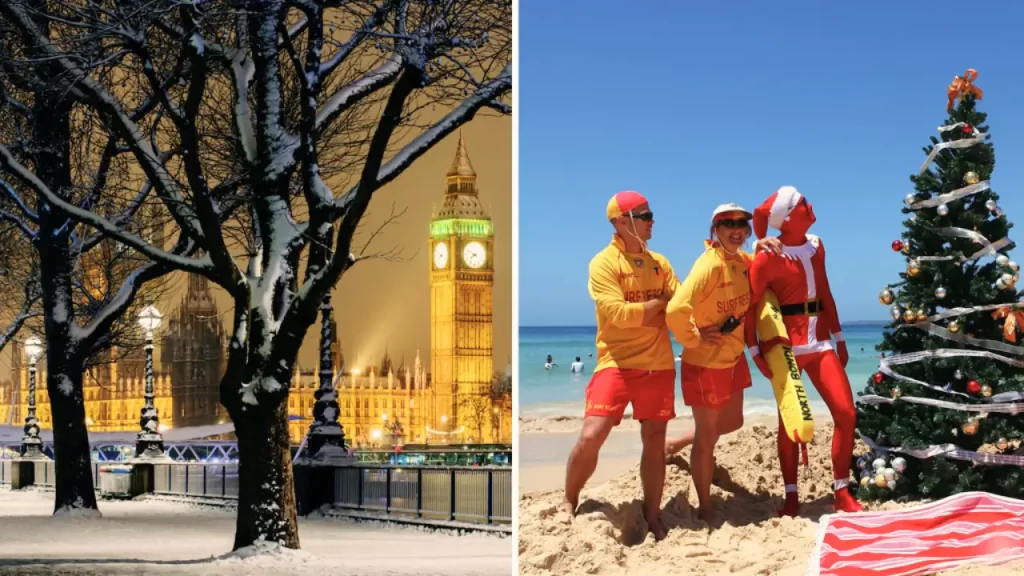
One of the most striking aspects of Christmas in the Northern vs Southern Hemisphere is the climate. In the Northern Hemisphere, Christmas occurs during winter, bringing cold temperatures, shorter days and, in many regions, snow. This environment has deeply influenced traditional Christmas imagery.
In contrast, the Southern Hemisphere experiences Christmas during summer. Countries such as Australia, Brazil, South Africa and New Zealand celebrate under bright skies, warm evenings and longer days. This seasonal difference affects everything from clothing choices to celebration schedules.
Northern Hemisphere Climate Influence
Winter weather naturally encourages indoor gatherings. Homes are decorated to create warmth and coziness, often centered around fireplaces, candles and soft lighting. Traditional symbols such as snowflakes, pine trees and winter animals reflect this seasonal context.
Southern Hemisphere Climate Influence
In the Southern Hemisphere, Christmas often extends outdoors. Barbecues, garden lunches, beach picnics and poolside celebrations are common. Decorations adapt to lighter fabrics, tropical plants and open-air spaces, blending Christmas symbolism with summer aesthetics.
Decorations and Visual Symbols
Christmas decorations clearly illustrate the contrasts between Christmas in the Northern vs Southern Hemisphere. Visual traditions developed in the North have been exported worldwide, but their interpretation varies greatly depending on climate.
Traditional Northern Decorations
In colder regions, decorations focus on warmth and light. Evergreen trees, wreaths, candles and warm color palettes dominate. Artificial snow, frosted windows and winter-themed ornaments reinforce the seasonal mood.
Southern Hemisphere Adaptations
Southern Hemisphere countries reinterpret these symbols. Pine trees may be replaced with native plants or decorated palms. Colors become brighter, incorporating blues, greens and floral elements. The result is a festive environment that reflects local landscapes while honoring global traditions.
Food Traditions and Christmas Meals
Food plays a central role in Christmas in the Northern vs Southern Hemisphere, yet menus differ significantly due to climate, agriculture and cultural heritage.
Northern Hemisphere Christmas Cuisine
Cold-weather Christmas meals tend to be rich and hearty. Roasted meats, root vegetables, thick gravies and warm desserts dominate tables. Traditional examples include roast turkey, ham, stuffing, potatoes, pies and spiced baked goods.
Hot drinks such as mulled wine, hot chocolate and spiced cider are also integral, providing comfort during cold evenings.
Southern Hemisphere Christmas Cuisine
In warmer climates, Christmas meals are lighter and often served cold. Fresh salads, seafood, tropical fruits and chilled desserts are common. Grilled meats, fish and outdoor buffets replace heavy roasts.
Desserts may include fruit-based sweets, chilled puddings or ice cream variations adapted from traditional recipes.
Clothing and Fashion Choices
Clothing further highlights Christmas in the Northern vs Southern Hemisphere differences.
In colder regions, layered outfits, coats, scarves and festive sweaters are typical. The idea of bundling up contributes to the cozy emotional tone of the season.
In the Southern Hemisphere, Christmas attire reflects summer comfort. Light dresses, short sleeves, sandals and breathable fabrics are preferred. The festive spirit remains, but comfort under the sun becomes a priority.

Cultural Activities and Traditions
Beyond climate and food, cultural traditions reveal how Christmas in the Northern vs Southern Hemisphere has evolved uniquely across societies.
Northern Hemisphere Traditions
Common activities include Christmas markets, caroling in cold streets, ice skating, winter festivals and indoor family gatherings. Many European cities are famous for their seasonal markets, filled with lights, crafts and seasonal foods.
Religious traditions often involve evening services, candlelit ceremonies and quiet reflection aligned with the winter solstice atmosphere.
Southern Hemisphere Traditions
In warmer regions, celebrations often extend throughout the day. Outdoor concerts, beach gatherings, community festivals and fireworks are frequent. Religious services may occur earlier in the day, followed by long social meals.
The sense of celebration blends Christmas with vacation energy, as school holidays and summer breaks coincide with the season.
Emotional Experience of the Season
Christmas in the Northern vs Southern Hemisphere also differs emotionally. Winter tends to foster introspection, nostalgia and inward reflection. Shorter days and colder weather create a natural pause at the end of the year.
Summer Christmases, on the other hand, are often more energetic and extroverted. The season feels expansive, social and lively, reinforcing themes of celebration rather than quiet retreat.
Neither experience is superior; both reflect how humans adapt rituals to their environment while preserving emotional meaning.
Globalization and Shared Traditions
Despite these contrasts, globalization has blurred some distinctions. Media, films and international brands have spread Northern Hemisphere imagery worldwide. Santa Claus, snowflakes and winter scenes appear even in tropical climates.
At the same time, Southern Hemisphere countries have confidently redefined Christmas aesthetics to reflect their own reality. This balance between global tradition and local adaptation is a defining feature of modern Christmas celebrations.
Why These Differences Matter
Understanding Christmas in the Northern vs Southern Hemisphere deepens cultural awareness. It reminds us that traditions are not fixed but living expressions shaped by geography, climate and social values.
For travelers, expatriates or multicultural families, recognizing these contrasts enhances empathy and enriches the holiday experience. It also encourages flexibility in how traditions are practiced and passed on.
Christmas Around the World: Unity in Diversity
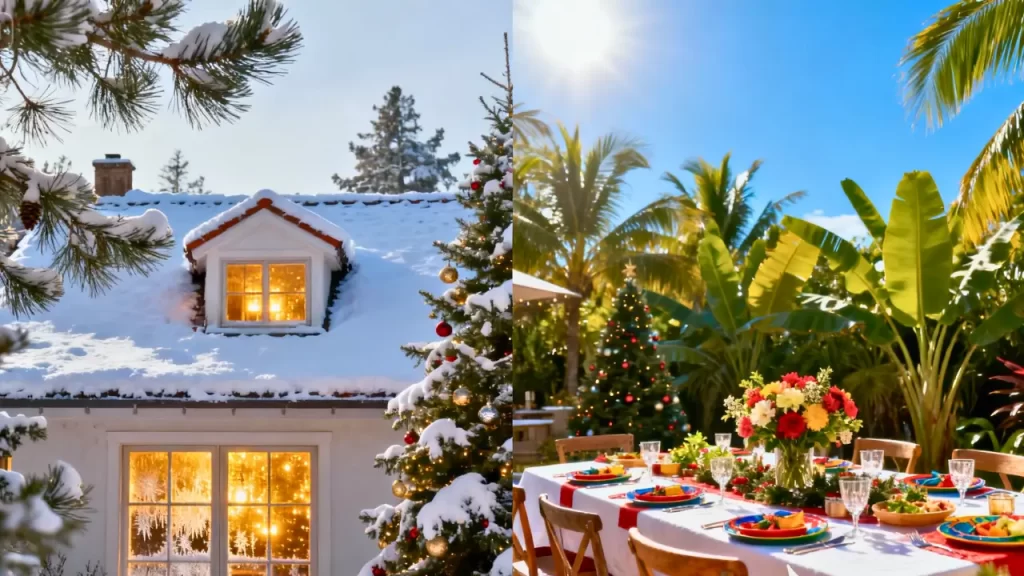
Ultimately, Christmas in the Northern vs Southern Hemisphere demonstrates that while traditions differ, the core message remains the same. Across snow-covered streets or sunlit beaches, Christmas continues to symbolize connection, generosity, gratitude and hope.
These shared values transcend climate and geography, uniting people through meaning rather than uniformity.
If this exploration of Christmas in the Northern vs Southern Hemisphere inspired you, share it with someone who loves discovering how cultures celebrate life differently.
Explore more seasonal and cultural reflections on yourlifeinfullbloom.com and continue your journey through traditions that shape how we live and connect.
Read also:
- 7 Fascinating Christmas Superstitions Around the World
- 7 Ways Thanksgiving Inspires the World to Live More Fully
- Europe Digital Entry System: 7 Critical Changes Every Traveler Must Know
- 7 Powerful Reasons Slow Travel Changes Everything
- 7 Hidden Wellness Retreats for an Unforgettable Escape

Hi, I’m Gui Perine, the voice and heart behind Your Life in Full Bloom. I have a background in communication and a deep love for emotional wellness, meaningful words, and the beauty of simple living. Traveling is my way of reconnecting with life and myself. Through my writing, I hope to inspire moments of presence, gentleness, and clarity. May you always feel at home here, and within yourself.