

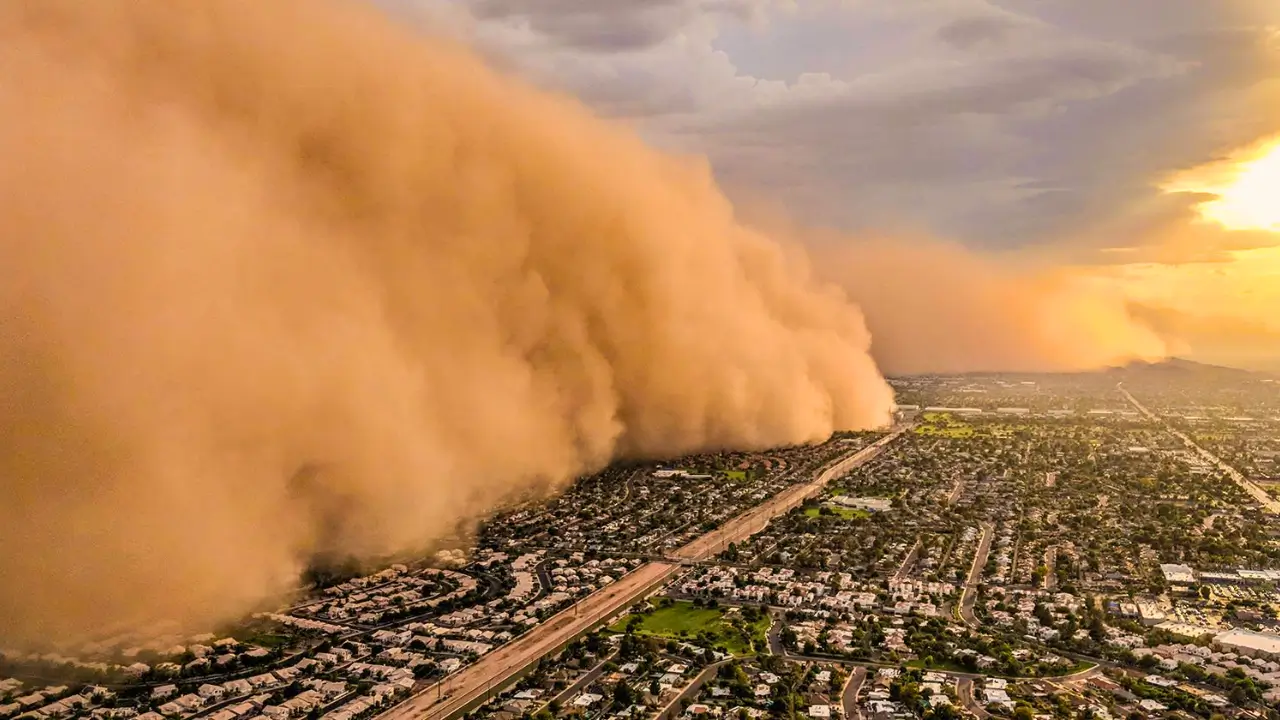
A haboob storms is one of the most extraordinary yet dangerous weather events on Earth. If you live in or travel through desert regions, you may encounter this giant rolling wall of dust that can appear suddenly, engulfing entire cities in minutes. Unlike regular storms, haboobs combine intense winds, heavy dust, and an eerie darkness that disrupts daily life, travel, and even health.
In today’s world, where more people travel to desert destinations such as Arizona, Dubai, or North Africa, understanding haboobs has never been more important. These storms are not only a natural spectacle but also a real threat to safety, infrastructure, and health.
What Is a Haboob?
The term haboob originates from the Arabic word habb, meaning “to blow.” The name perfectly describes the storm’s violent nature. While dust storms can occur almost anywhere with loose soil, a haboob is much larger and more destructive.
- Appearance: From a distance, a haboob looks like a gigantic brown or reddish wall sweeping across the land.
- Size: They can stretch more than 60 miles (100 km) across and rise several thousand feet into the air.
- Duration: Most haboobs last between 30 minutes to 3 hours, but the impact can linger much longer in the form of dust deposits, air pollution, and reduced visibility.
People often confuse haboobs with sandstorms, but there is a difference: a sandstorm usually lifts sand just a few meters into the air, while a haboob creates an enormous vertical wall of dust that blocks the sky.
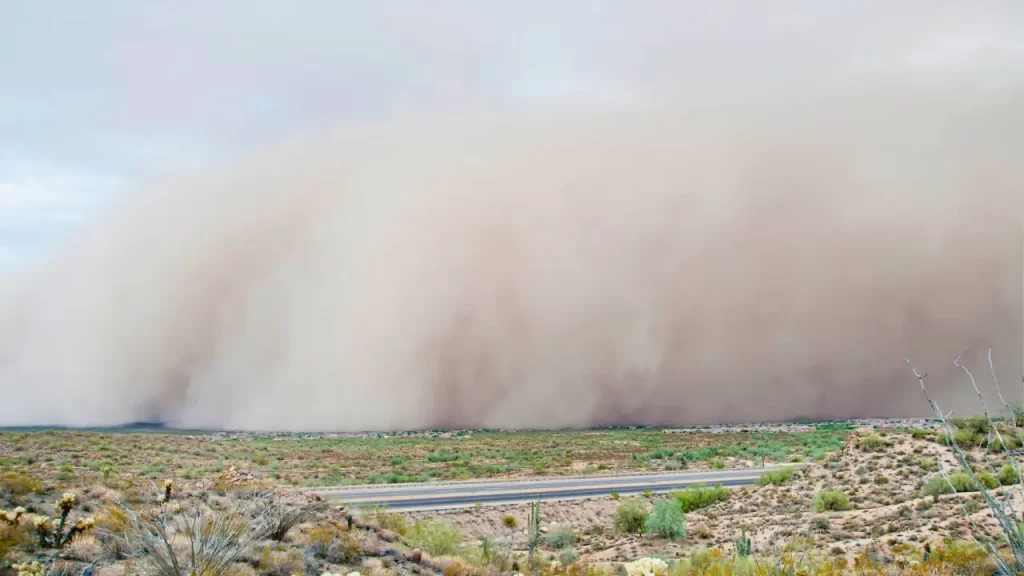
How Does a Haboob Form?
Haboobs form in very specific atmospheric conditions. They are closely linked to thunderstorms and monsoon systems in arid or semi-arid regions.
- Thunderstorm Formation: A storm develops in a hot, dry desert atmosphere.
- Downdraft Effect: When rain-cooled air plunges rapidly from a storm cloud, it rushes downward toward the ground.
- Outflow Winds: Upon hitting the earth’s surface, the air spreads out in all directions.
- Dust Lifting: In desert landscapes, this wind is powerful enough to lift tons of dust, sand, and fine soil into the air.
- Dust Wall Formation: The storm takes on a rolling, towering appearance, creating the infamous haboob wall.
In regions like Arizona, haboobs are common during the North American Monsoon season (June to September). In Sudan, they occur in the summer months, often disrupting daily life.
The Dangers of a Haboob
Haboobs are spectacular to watch, but they are extremely dangerous for humans, animals, and infrastructure.
Main Hazards
- Zero visibility: Roads become deadly. Pile-up accidents are frequent, especially in highways where cars cannot stop in time.
- Respiratory health risks: Dust particles are so fine they penetrate deep into the lungs, causing asthma attacks, bronchitis, and other respiratory conditions.
- Electrical and mechanical damage: Dust clogs air filters, damages engines, and can short-circuit power systems.
- Agricultural damage: Crops and soil suffer erosion, causing economic loss in farming regions.
- Flight disruptions: Airports in Phoenix, Khartoum, or Riyadh often shut down flights during haboobs.
Long-Term Effects
Dust from haboobs can linger in the atmosphere, worsening air quality for days. This contributes to respiratory diseases and may aggravate climate-related challenges in arid regions.
7 Safety Tips During a Haboob
Being prepared can mean the difference between safety and serious danger. Here are seven life-saving tips:
- Find Shelter Quickly: Stay indoors if possible. Cars and open spaces are unsafe.
- Stop Driving Safely: If caught on the road, pull completely off, turn off headlights and brake lights so others don’t follow your car mistakenly.
- Protect Your Breathing: Use a mask, scarf, or any cloth to cover your mouth and nose. Dust is harmful even in short exposure.
- Stay Informed: Use weather apps, radios, and emergency alerts to know when a haboob is approaching.
- Seal Your Home: Shut all windows, doors, and ventilation systems. Place wet towels at door bottoms to block dust.
- Protect Technology: Cover sensitive devices and appliances. Dust can ruin computers, TVs, and air conditioners.
- Wait Patiently: Don’t rush outside after the first wall passes. Secondary winds often follow.
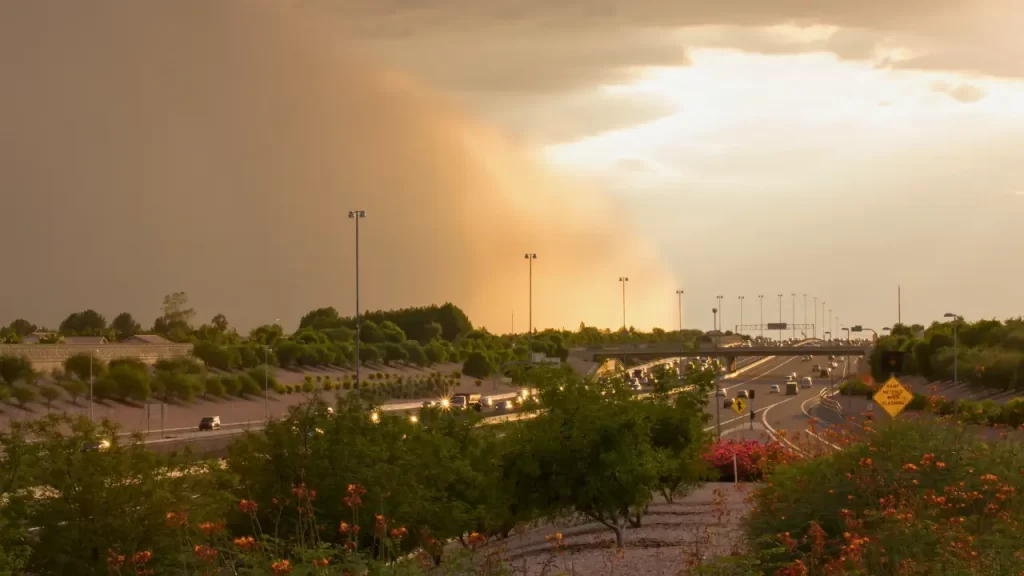
Haboobs Around the World
United States (Arizona & Texas)
In Phoenix, haboobs are part of the summer monsoon season. Local authorities run campaigns each year to remind drivers: “Pull Aside, Stay Alive.”
Sudan & North Africa
In Khartoum, haboobs are common during summer and sometimes bring an apocalyptic feel to the city. Entire villages can be buried under layers of sand.
Middle East (Saudi Arabia, Iraq, Kuwait)
The Arabian Peninsula sees frequent haboobs due to hot temperatures and large expanses of loose desert soil. These storms are often accompanied by lightning, making them even more dangerous.
Fascinating Facts About Haboobs
- A haboob can move faster than 60 mph (100 km/h).
- Some storms carry enough dust to turn day into night.
- Dust particles can travel hundreds of miles, affecting regions far away.
- The largest haboobs are visible from space, tracked by NASA satellites.
- Studies show that climate change may increase the frequency of haboobs in certain regions.
Haboobs in Culture and Science
Haboobs have fascinated humans for centuries. Ancient texts from Egypt and Arabia describe dust storms that resemble modern haboobs. Today, they are studied by climatologists and meteorologists to understand desertification and climate dynamics.
In popular culture, haboobs often appear in survival documentaries and Hollywood films to emphasize chaos and destruction. They represent the raw power of nature, uncontrollable and humbling.
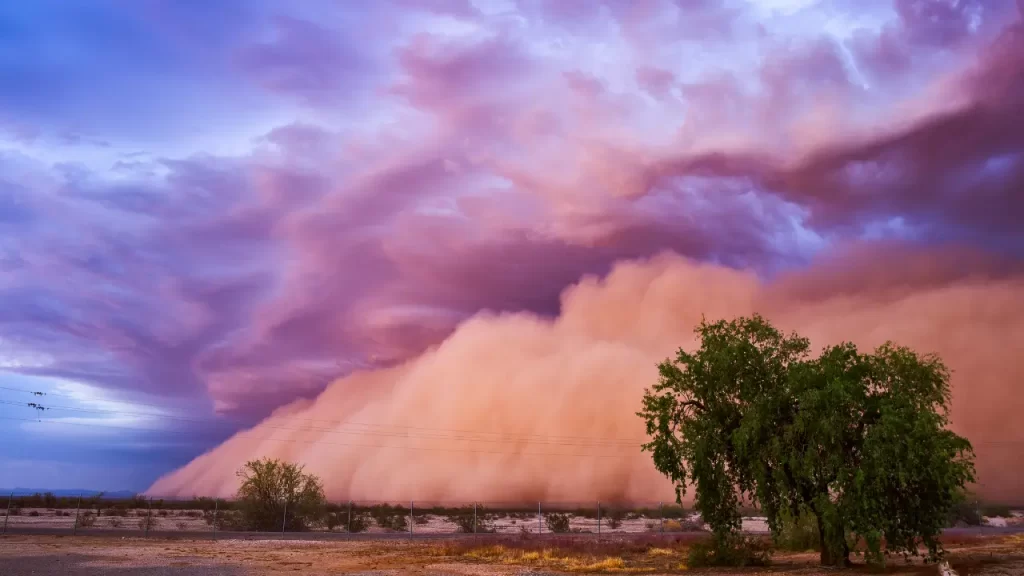
Haboob Storms – Final Thoughts
A haboob is more than just a dust storm—it is a striking reminder of the earth’s fragile balance and the dangers of living in dry, desert environments. While awe-inspiring, these storms demand respect and caution. By learning about them, preparing wisely, and spreading awareness, we can reduce their risks.
👉 Share this article with friends who love extreme weather or plan to travel to desert destinations.
👉 Continue exploring yourlifeinfullbloom.com for more guides on nature, travel, and mindful living.
- Feng Shui Made Easy: 12 Steps to Transform Your Home
- 10 Powerful Indoor Plants to Transform Your Mood
- 7 Powerful Eco-Friendly Tips for a Healthier, Happier Home
- 5 Easy DIY Decor Ideas to Instantly Cozy Up Your Home
- 7 Simple Habits for a More Joyful Life

Hi, I’m Gui Perine, the voice and heart behind Your Life in Full Bloom. I have a background in communication and a deep love for emotional wellness, meaningful words, and the beauty of simple living. Traveling is my way of reconnecting with life and myself. Through my writing, I hope to inspire moments of presence, gentleness, and clarity. May you always feel at home here, and within yourself.



3 thoughts on “Haboob Storms: 7 Essential Facts for Safety and Awareness”