


In a world increasingly focused on quick fixes and high-intensity workouts, the ancient wisdom of Japanese walking offers a refreshing and profoundly effective alternative. More than just a means of getting around, Japanese walking encompasses practices designed to enhance physical health, mental clarity, and spiritual well-being. From interval training to forest bathing, these techniques provide a holistic path to a healthier, more balanced life. This article explores seven distinct Japanese walking methods, detailing their benefits, practical applications, and how they can be integrated into your daily routine.
The Science Behind Japanese Walking Methods
The effectiveness of Japanese walking techniques is rooted in scientific research and cultural practice. Unlike Western approaches focused solely on steps or calorie burn, Japanese methods prioritize mindfulness, consistency, and integrating movement with nature and inner peace. This nuanced perspective yields profound benefits with less perceived effort.
Interval Walking Training (IWT) research consistently shows that alternating brisk and slow walking improves cardiovascular health, muscle strength, and metabolic function. Practices like Shinrin-yoku (forest bathing) reduce stress hormones, lower blood pressure, and boost immune function. This highlights a key difference: Japanese walking creates a harmonious connection between body, mind, and environment. These methods leverage natural rhythms and nature’s restorative power, offering a sustainable path to long-term health. Understanding their scientific basis reveals their potential to transform health beyond conventional exercise.
1. Interval Walking Training (IWT) – The 30-Minute Miracle
What it is and How to Do It
IWT involves alternating three minutes of brisk walking (around 70% of peak aerobic capacity) with three minutes of slow walking for recovery. This cycle repeats five times, totaling 30 minutes. For optimal results, practice four days a week.
Scientific Benefits
Research supports IWT extensively. A 2007 study found IWT participants showed greater improvements in strength, endurance, and blood pressure. A 2018 study revealed consistent IWT practitioners experienced a 20% improvement in leg strength and 40% in peak exercise capacity, protecting against age-related fitness decline. IWT also increases calorie and fat burn due to metabolic shifts. It’s excellent for those avoiding high-impact cardio, providing a robust cardiovascular workout with less joint stress.
Who Should Try It
IWT suits many, from beginners to fitness enthusiasts, especially for improving cardiovascular health, weight management, or breaking fitness plateaus. Start gradually, increasing intensity as fitness improves. Consult a healthcare professional if you have pre-existing health conditions.
2. Shinrin-yoku – Forest Bathing for Mental Wellness
Origins and Philosophy
Shinrin-yoku aims to reconnect with nature mindfully. It offers sanctuary from urban stress, promoting slowing down, presence, and allowing nature to restore mind and body. The focus is on sensory experience – sights, sounds, smells, textures – not distance or pace.
Health Benefits
Scientific research supports Shinrin-yoku’s health benefits. It significantly reduces cortisol, lowers blood pressure, and improves mood. It boosts the immune system by increasing natural killer (NK) cell activity. Time in nature also improves sleep, focus, and reduces anxiety and depression.
How to Practice
Practice Shinrin-yoku by finding a natural environment, leaving distractions behind. Walk leisurely, pausing to engage senses: listen to birds, breathe fragrant air, touch bark. The goal is deep, sensory connection with nature.
Best Locations
Japan has certified forest therapy bases, like the Japan Alps or Yakushima National Park. However, any green space works. Simply immerse yourself in its restorative embrace.
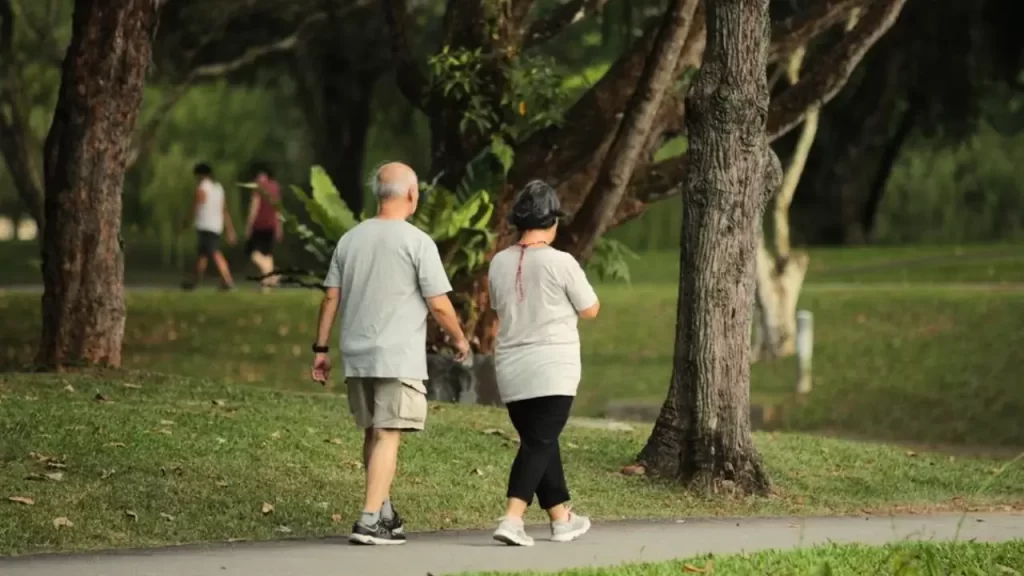
3. Kinhin – Walking Meditation for Inner Peace
Buddhist Origins
Kinhin originated in ancient Buddhist traditions, particularly Zen, complementing seated meditation. It teaches that mindfulness should permeate all life, fostering continuous awareness whether sitting or moving.
Technique and Posture
Kinhin involves slow, deliberate, intentional walking, often synchronized with breath. Hands are typically held in shashu (left hand fisted, covered by right, at chest level). Gaze is soft, a few feet ahead. The key is feeling walking sensations: foot lifting, forward movement, placing, weight shift. Every detail becomes meditation. Gently return the mind to these sensations when it wanders.
Mental Health Benefits
Kinhin cultivates inner peace, reduces anxiety, and enhances mental clarity. Focusing on the present moment and walking sensations reduces mind-wandering. This practice leads to deeper calm and grounded presence, improving concentration and sustained attention.
Integration with Daily Life
Kinhin principles integrate easily into everyday walking. Transform walks to work, park strolls, or movement at home into mindful practice. Conscious awareness of steps, breath, and surroundings turns any walk into meditation, fostering connection to self and world.
4. Japanese Pilgrimage Walking – Spiritual Journey
Kumano Kodo and Shikoku Pilgrimages
The Kumano Kodo is a UNESCO World Heritage network of ancient pilgrimage routes on the Kii Peninsula. Walked for over a thousand years, they lead to the three Grand Shrines of Kumano, winding through forests, past waterfalls, and alongside rivers.
The Shikoku 88 Temple Pilgrimage is an epic 1,200-kilometer (750-mile) circular route on Shikoku island, connecting 88 Buddhist temples. Pilgrims (o-henro-san) wear distinctive white clothing. It’s a journey of self-discovery, resilience, and spiritual purification.
Physical and Spiritual Benefits
Pilgrimage walking offers physical benefits like improved cardiovascular health and endurance. More significantly, spiritual and mental benefits arise. Sustained effort, solitude, and natural beauty often lead to a meditative state, fostering introspection, clarity, and peace.
How to Incorporate Principles
Even without a full pilgrimage, its principles can be applied daily: intentionality, mindfulness, gratitude, and resilience. Adopting these transforms any walk into a mini-pilgrimage, enriching both body and spirit.
5. Mindful Japanese Walking Posture
Traditional Posture Techniques
Traditional Japanese walking emphasizes a grounded, centered posture:
- Straight spine
- Relaxed shoulders
- Engaged core
- Gentle gaze
- Natural arm swing
Core Engagement
Central to mindful Japanese walking is hara (lower abdomen), the body’s energetic center. Engaging the hara means gently drawing the navel inward, creating a stable core. This subtle activation supports the body, aiding balance while reducing joint impact.
Breathing Coordination
Deep, diaphragmatic breathing synchronized with steps:
- Oxygenates the body
- Calms the mind
- Enhances focus
Adopting these techniques transforms walking into a moving meditation.
6. Seasonal Walking Practices
Adapting to Different Seasons
Japanese walking encourages awareness and adaptation to seasonal changes:
- Spring: Appreciating cherry blossoms and renewal
- Summer: Seeking shade in forests or coastal paths
- Autumn: Admiring foliage and practicing contemplative walks
- Winter: Enjoying crisp air and snow-covered stillness with proper gear
Embracing seasonal rhythms keeps walking dynamic and inspiring year-round.
7. Community Walking Culture
Group Walking Traditions
Group walking in Japan takes many forms:
- Neighborhood associations
- Hiking clubs
- Pilgrimage groups
- School and corporate wellness walks
Social Benefits
Walking together provides connection, motivation, and community. It combats loneliness, fosters cultural exchange, and strengthens social bonds.
Building Walking Communities
Encouraging group walks and safe, accessible paths turns walking into a collective act of health and happiness.

Getting Started with Japanese Walking Techniques
Beginner’s Guide
- Start small and simple
- Listen to your body
- Practice consistently
- Learn the meaning behind the techniques
Safety Considerations
- Talk to your doctor if you have medical conditions
- Use comfortable, supportive shoes
- Stay hydrated
- Be aware of terrain and weather
Equipment Needed
- Walking shoes
- Comfortable clothes
- Water bottle
- Optional: hat, backpack, timer
Creating a Routine
- Schedule it in your calendar
- Find a walking partner
- Explore new places
- Add walking to your everyday routine
Common Mistakes to Avoid
- Overexertion, especially in IWT
- Ignoring the mindfulness aspect of Shinrin-yoku or Kinhin
- Poor posture that leads to injury or fatigue
Conclusion
The journey through the diverse world of Japanese walking techniques reveals a profound truth: walking is a powerful pathway to holistic well-being. From IWT to Shinrin-yoku and Kinhin, these practices enhance physical health, mental clarity, and spiritual connection.
Embrace these methods to transform daily strolls into meaningful rituals that nourish body, calm mind, and uplift spirit. Whether seeking fitness, stress reduction, inner peace, or deeper connection, Japanese walking provides accessible tools for a healthier, more fulfilling life.
So, lace up your shoes, step outside, and begin your own journey into the transformative world of Japanese walking. Your body and mind will thank you.
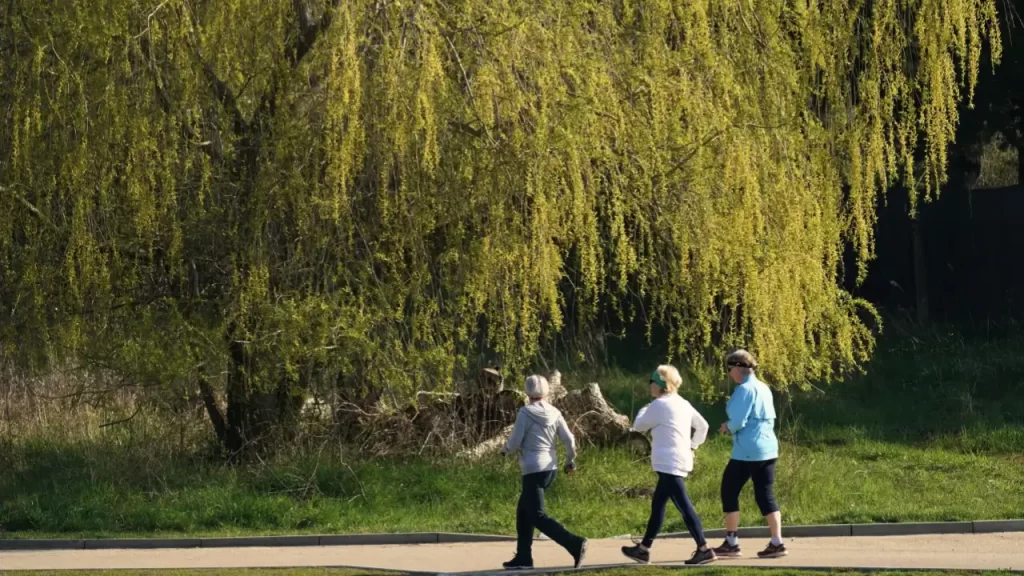
Share this article with someone who is looking to transform their health and well-being through mindful movement!
Ready to take the next step in your wellness journey?
Explore more articles on mindful living and holistic health at yourlifeinfullbloom.com :
- 7 Powerful Mindfulness Practices for a Calmer LifeDiscover
- 7 Steps to Daily Calm: Unlock Your Potential with Mindful Living
- 10 Powerful Benefits of Journaling for Daily Wellbeing
- 7 Simple Habits for a More Joyful Life
FAQ Section
Q1: What is the main difference between Japanese walking and regular walking?
Japanese walking encompasses various techniques that go beyond simply moving. While regular walking focuses on distance or speed, Japanese methods like IWT, Shinrin-yoku, and Kinhin emphasize specific physiological benefits, mindful engagement, or spiritual introspection. They aim for holistic well-being.
Q2: How often should I practice Interval Walking Training (IWT)?
IWT is typically recommended four days a week. Each session alternates three minutes of brisk walking with three minutes of slow walking, repeated five times for 30 minutes. Consistency is key.
Q3: Do I need a forest to practice Shinrin-yoku?
No, any natural setting where you can mindfully engage your senses – a park, garden, or tree-lined street – can be suitable. The core is to slow down, disconnect, and connect with nature through sight, sound, smell, and touch.
Q4: What is Kinhin and how can I incorporate it into my daily life?
Kinhin is Zen Buddhist walking meditation: slow, deliberate, mindful walking, focusing on each step, breath, and posture. Incorporate it by dedicating short periods (5–10 minutes) to mindful walking in your daily routine, paying attention to sensations without judgment.
Q5: Are Japanese pilgrimage walks only for religious people?
No, pilgrimage walks like Kumano Kodo and Shikoku 88 Temple Pilgrimage are open to everyone. While spiritual, many undertake them for personal growth, physical challenge, cultural immersion, or to experience Japan’s natural beauty.
Q6: What are the key benefits of adopting a mindful Japanese walking posture?
Adopting a mindful Japanese walking posture improves physical alignment, reduces joint strain, enhances balance, and promotes efficient movement. Mentally, it fosters body awareness, reduces tension, and leads to a grounded, present state of mind.

Hi, I’m Gui Perine, the voice and heart behind Your Life in Full Bloom. I have a background in communication and a deep love for emotional wellness, meaningful words, and the beauty of simple living. Traveling is my way of reconnecting with life and myself. Through my writing, I hope to inspire moments of presence, gentleness, and clarity. May you always feel at home here, and within yourself.



2 thoughts on “7 Powerful Japanese Walking Techniques for Vital Health”