

Slow Travel: A More Meaningful Way to Explore the World
In a fast-paced world where everything seems to move at lightning speed, slow travel emerges as a quiet revolution. The concept invites us to pause, breathe, and truly connect with the world around us. Rather than rushing through bucket lists, slow travel encourages travelers to immerse themselves in local life, savor cultural nuances, and find meaning beyond sightseeing.
Slow travel is not just a travel style; it’s a mindset—one that values presence over pace, depth over distance, and connection over consumption.
1. What Is Slow Travel and Why It Matters
Slow travel is about quality, not quantity. It means spending more time in fewer places, allowing experiences to unfold naturally rather than following rigid itineraries. The focus is on authentic encounters—sharing meals with locals, exploring small towns on foot, or simply sitting in a café observing daily life.
Unlike traditional tourism, slow travel prioritizes sustainability and mindfulness. It respects local rhythms, supports small businesses, and reduces the environmental footprint that mass tourism often leaves behind.

2. The Philosophy Behind Slow Travel
At its core, slow travel stems from the slow movement, which began as a reaction against the culture of haste. Just like slow food values quality ingredients and local production, slow travel values authenticity, human connection, and time well spent.
Traveling slowly allows you to:
- Experience places through all your senses.
- Build relationships with locals.
- Reduce stress and travel fatigue.
- Align your pace with the natural flow of life.
It’s not about doing less, but about doing things with more intention.
3. Environmental Benefits of Slow Travel
One of the most significant advantages of slow travel is its positive impact on the planet. Choosing trains instead of planes, staying longer in one destination, and supporting local artisans all contribute to a lighter environmental footprint.
According to the United Nations World Tourism Organization (UNWTO), transportation accounts for nearly 75% of tourism’s carbon emissions. Slow travelers, however, tend to use greener modes of transportation and favor eco-friendly accommodations.
Tips for greener travel:
- Use public transport or rent a bike.
- Choose locally owned eco-lodges.
- Pack reusable items like bottles and bags.
- Eat seasonal, locally sourced foods.
4. How Slow Travel Enhances Cultural Connection
When you stay longer, you move beyond the surface of a destination. You learn phrases in a new language, understand customs, and witness the rhythm of local life.
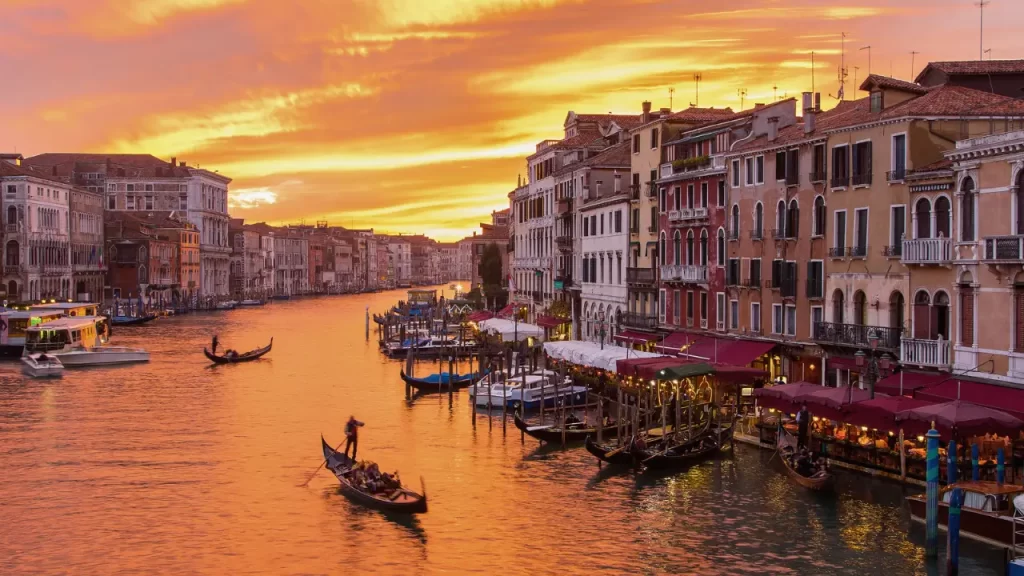
For example, spending two weeks in a small Tuscan village gives you a sense of belonging that a two-day trip to Florence never could. You might end up joining a family dinner, learning a recipe passed down for generations, or attending a local celebration that never appears in guidebooks.
Slow travel fosters genuine cultural exchange—a bridge between visitor and host.
5. The Emotional Rewards of Traveling Slowly
Fast travel can feel like collecting souvenirs; slow travel feels like collecting memories. By taking your time, you cultivate presence, gratitude, and curiosity. This approach nurtures mental well-being, helping reduce anxiety and promoting mindfulness.
You become more than a traveler—you become a participant in the story of a place. Watching a sunset over the same square each evening, recognizing familiar faces at a local café, or hearing a shopkeeper remember your name—these small moments create a deep sense of connection.
6. How to Practice Slow Travel in a Fast World
Even if you only have a week, you can still embrace the principles of slow travel. The secret lies in how you travel, not how long.
Practical ways to slow down your journeys:
- Stay longer in fewer destinations. Avoid trying to see everything at once.
- Use slow transportation. Take trains, buses, or even walk between nearby towns.
- Live like a local. Shop at neighborhood markets, cook at home, or stay in guesthouses.
- Unplug from constant documentation. Enjoy moments without the urge to post everything online.
- Engage with local projects. Volunteer or join workshops that support the community.
Slow travel invites you to replace FOMO (fear of missing out) with JOMO (joy of missing out).
7. Destinations That Inspire Slow Travel
Certain places naturally encourage travelers to slow down and savor the moment.
Top destinations for slow travelers:
- Chiang Mai, Thailand: Rich in spirituality, temples, and mindful retreats.
- Tuscany, Italy: Rolling hills, vineyards, and timeless villages.
- Kyoto, Japan: A harmony of tradition, tea ceremonies, and Zen gardens.
- Alentejo, Portugal: Vast landscapes, quiet beaches, and farm-to-table cuisine.
- Provence, France: Lavender fields, farmer’s markets, and art-filled towns.
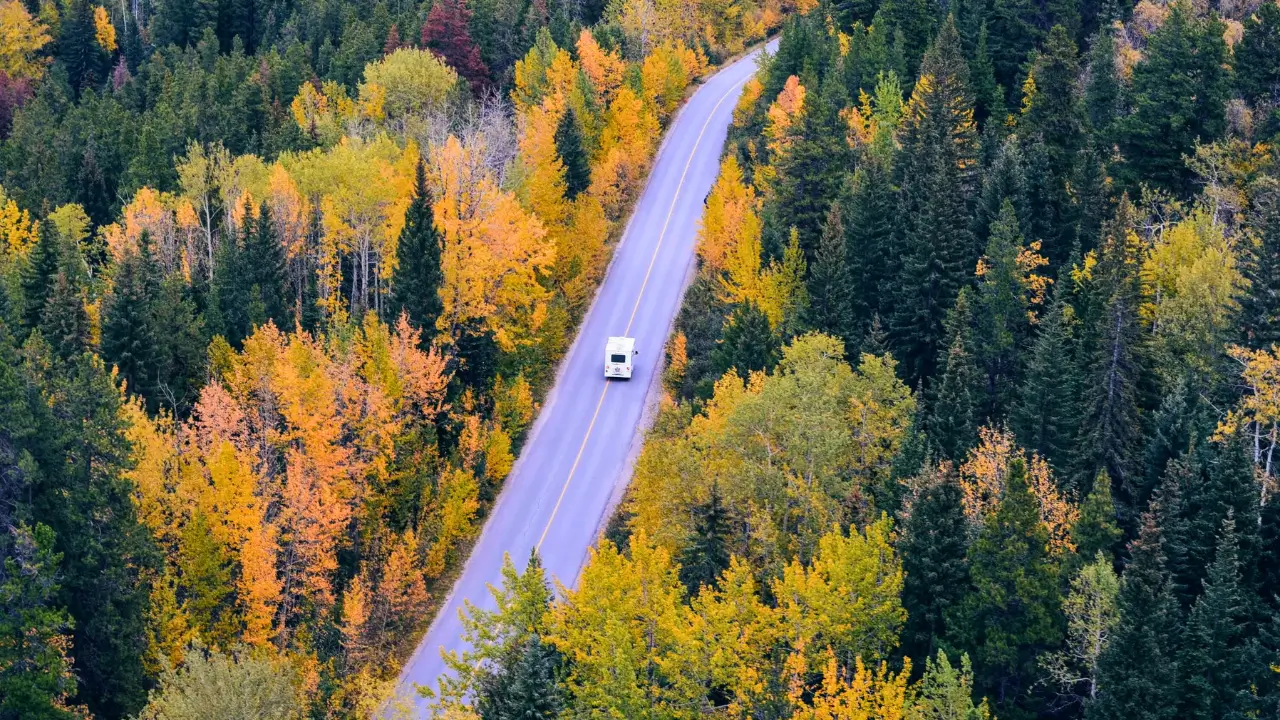
- New Zealand’s South Island: Nature at its purest, ideal for long road trips.
- Patagonia, Argentina: Wild beauty where silence speaks louder than words.
These destinations invite contemplation and connection, making them ideal for travelers seeking meaning over momentum.
8. The Future of Travel: Conscious and Connected
As more people seek balance and authenticity, slow travel is shaping the future of tourism. The post-pandemic world has reminded us that experiences matter more than possessions—and that our time is the most valuable currency we have.
Tour operators, hotels, and destinations are adapting to this shift by offering sustainable packages, local experiences, and slower itineraries that focus on emotional fulfillment.
Slow travel isn’t about escaping life—it’s about returning to it, with open eyes and a full heart.
9. Final Thoughts
Choosing slow travel means choosing connection over consumption. It’s an act of resistance against hurry and a celebration of presence. By embracing this approach, you not only rediscover the world but also rediscover yourself.
So next time you pack your bags, remember: the best journeys aren’t measured in miles—they’re measured in moments.
If this article inspired you to rethink the way you travel, share it with someone planning their next adventure!
And don’t miss our other stories on sustainable living and mindful exploration at Your Life in Full Bloom.
- 7 Hidden Wellness Retreats for an Unforgettable Escape
- Montreal: 12 Incredible Experiences in Quebec’s Cultural Hub
- 7 Soulful Destinations for Solo Female Travelers
- 7 Solo Female Travel Destinations for Unforgettable Self-Discover
- Tourism in Capri: 12 Tips for a Perfect Island Escape

Hi, I’m Gui Perine, the voice and heart behind Your Life in Full Bloom. I have a background in communication and a deep love for emotional wellness, meaningful words, and the beauty of simple living. Traveling is my way of reconnecting with life and myself. Through my writing, I hope to inspire moments of presence, gentleness, and clarity. May you always feel at home here, and within yourself.

1 thought on “7 Powerful Reasons Slow Travel Changes Everything”