Why St. Patrick’s Day Still Fascinates the World
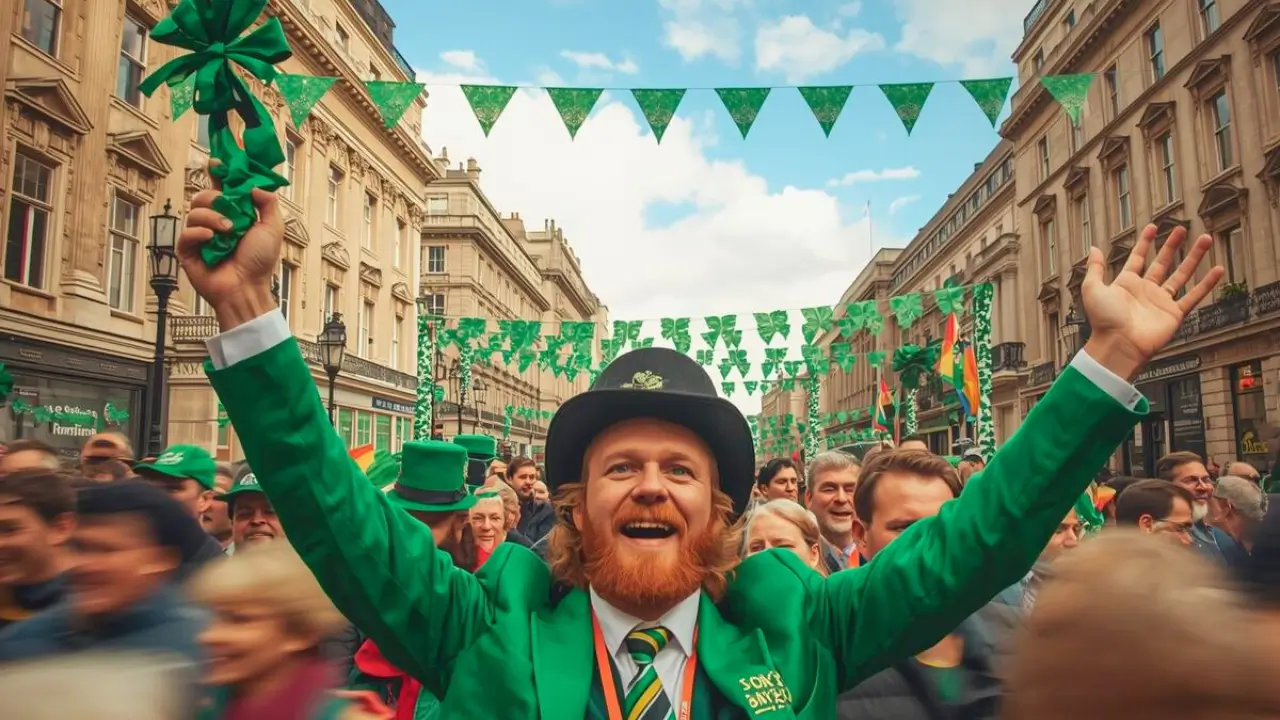
St. Patrick’s Day is one of the most joyful cultural celebrations on the planet. What began as a religious feast honoring Ireland’s patron saint has transformed into a vibrant global festival filled with music, traditions, parades, and a sea of green.
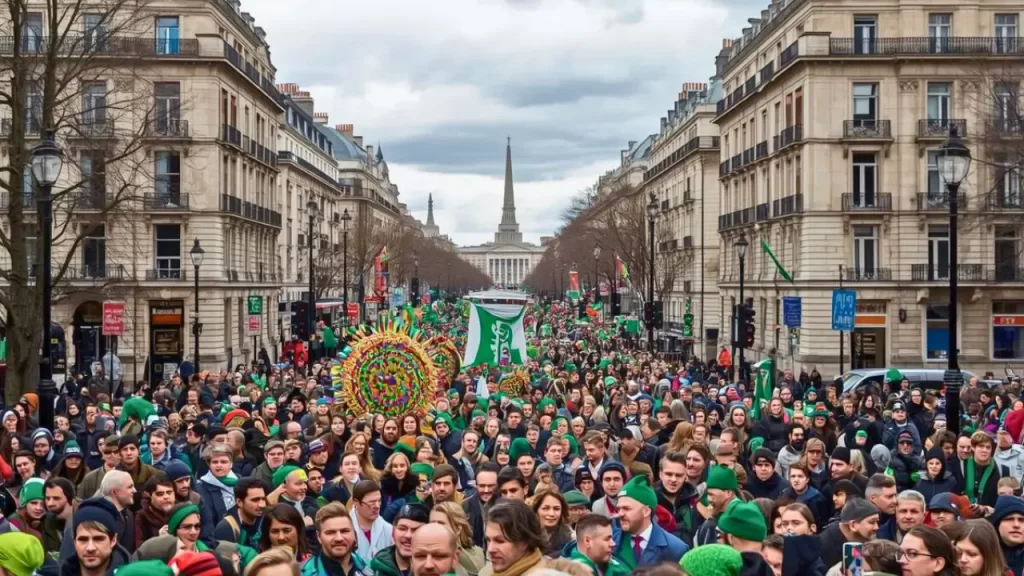
Today, St. Patrick’s Day is celebrated far beyond Ireland. Cities across North America, Europe, Australia, and even Asia embrace the festive spirit every March 17. Landmarks turn green, communities gather for parades, and millions of people explore Irish culture through food, storytelling, and music.
Yet behind the famous shamrocks and lively celebrations lies a rich history filled with fascinating traditions, folklore, and cultural meaning.
In this guide, you will discover the most magical St. Patrick’s Day traditions, how the celebration evolved through centuries, and why it continues to inspire people around the world.
The Origins of St. Patrick’s Day
Understanding St. Patrick’s Day begins with the story of the man behind the celebration.
Saint Patrick lived during the 5th century and is credited with spreading Christianity across Ireland. According to historical records, he was born in Roman Britain and was kidnapped as a teenager by Irish raiders. After years of captivity in Ireland, he escaped and later returned as a missionary.
Over time, he became one of Ireland’s most important religious figures.
Several legends are associated with him, including the story that he used the shamrock to explain the Christian concept of the Holy Trinity. While historians debate the accuracy of some legends, there is no doubt that Saint Patrick became a powerful symbol of Irish identity.
March 17 marks the date traditionally associated with his death, which later became a national feast day in Ireland.
How St. Patrick’s Day Became a Global Celebration
For centuries, St. Patrick’s Day was primarily a religious observance in Ireland. People attended church services and celebrated quietly with family gatherings.
The transformation into a global celebration happened largely through the Irish diaspora.
During the 18th and 19th centuries, millions of Irish immigrants settled in the United States, Canada, and other countries. These communities began organizing public celebrations to honor their heritage.
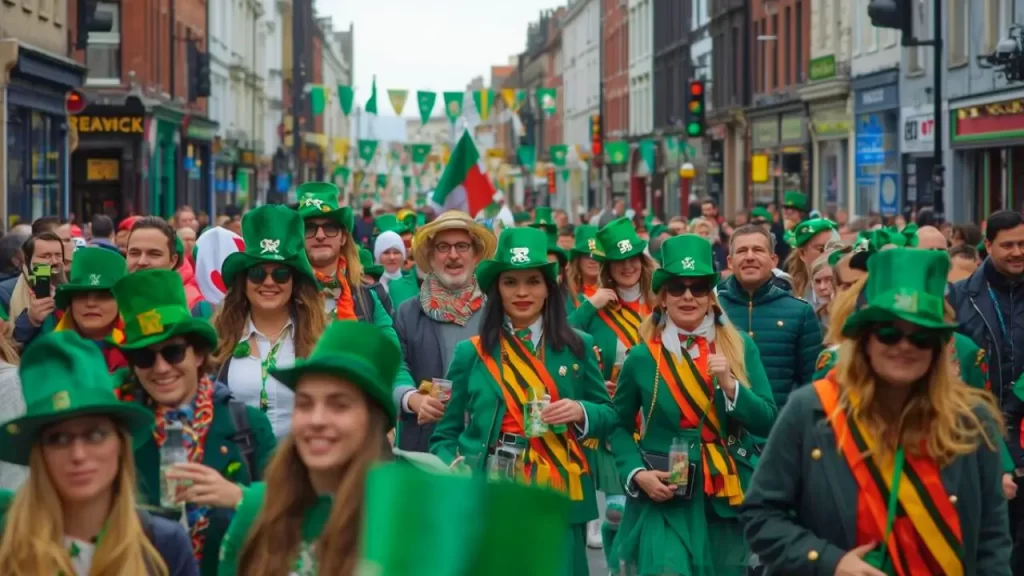
Parades became a central part of the festivities. Interestingly, the first St. Patrick’s Day parade was held in the United States rather than Ireland.
Today, some of the largest celebrations occur in cities such as:
• New York
• Chicago
• Boston
• Dublin
• Sydney
In Chicago, the river is famously dyed bright green each year, a tradition that attracts visitors from around the world.
1. Wearing Green: The Most Iconic St. Patrick’s Day Tradition
If there is one symbol associated with St. Patrick’s Day, it is the color green.
Ireland itself is often called the Emerald Isle due to its lush landscapes. Over time, green became the defining color of Irish pride and national identity.
Wearing green on March 17 is believed to bring good luck. In popular folklore, it also prevents mischievous leprechauns from pinching those who forget the tradition.
From green hats to shamrock accessories, the tradition has become one of the most recognizable elements of the celebration.
2. The Shamrock Symbol
The shamrock is another powerful symbol of St. Patrick’s Day.
This small three leaf clover is deeply connected to Irish culture and legend. According to tradition, Saint Patrick used the shamrock to explain the concept of the Holy Trinity: Father, Son, and Holy Spirit.
Today the shamrock represents:
• Irish identity
• Good fortune
• Cultural heritage
During the celebration, the shamrock appears in decorations, clothing, and festive foods.
3. The Legendary St. Patrick’s Day Parades
St. Patrick’s Day parades are among the most exciting public celebrations associated with the holiday.
The largest parade in the world takes place in New York City. It attracts more than two million spectators every year and features marching bands, dancers, and cultural groups.
Other famous parades include:
Chicago St. Patrick’s Day Parade
Dublin St. Patrick’s Festival Parade
Boston St. Patrick’s Day Parade
These events celebrate Irish heritage while bringing communities together in a vibrant atmosphere.
4. Traditional Irish Music and Dance
Music is an essential part of St. Patrick’s Day celebrations.
Traditional Irish instruments such as the fiddle, tin whistle, bodhrán drum, and accordion create the distinctive sound of Irish folk music.
Irish dance performances are also a highlight of the festivities. Shows inspired by productions like Riverdance helped introduce Irish dance traditions to a global audience.
Many pubs and cultural centers host live music sessions that keep the spirit of the celebration alive late into the night.
5. St. Patrick’s Day Food Traditions
Food is another important part of the celebration.
Traditional dishes often served during St. Patrick’s Day include:
Corned beef and cabbage
Irish stew
Soda bread
Colcannon
In many places, festive desserts and drinks are also part of the tradition.
Green themed treats, Irish whiskey tastings, and creative culinary variations bring a modern twist to the celebration.
6. Irish Folklore and the Leprechaun Legend
No St. Patrick’s Day story would be complete without mentioning leprechauns.
These mischievous creatures from Irish folklore are said to guard hidden pots of gold at the end of rainbows.
While originally part of ancient Irish storytelling, the leprechaun has become a playful symbol associated with luck and mystery.
Children especially enjoy the magical aspect of this legend, making it a fun element of the holiday.
7. Famous Landmarks Turning Green
One of the most visually striking St. Patrick’s Day traditions is the illumination of famous landmarks in green.
This initiative is part of a global tourism campaign called Global Greening.
Every year, iconic landmarks participate, including:
The Sydney Opera House
The Colosseum in Rome
The London Eye
Niagara Falls
These illuminations celebrate Irish culture while highlighting the international impact of the holiday.
8. Modern St. Patrick’s Day Festivals
Today, St. Patrick’s Day festivals often extend beyond a single day.
Cities such as Dublin host multi day festivals featuring:
Music concerts
Cultural exhibitions
Street performances
Irish literature events
These festivals allow visitors to experience Irish culture more deeply while boosting tourism and cultural exchange.
9. Why St. Patrick’s Day Still Matters Today
Beyond the parades and decorations, St. Patrick’s Day remains a meaningful celebration of cultural identity.
It represents:
• resilience of Irish culture
• pride in heritage
• community and storytelling
For millions of people with Irish ancestry, the holiday is an opportunity to reconnect with family history and traditions.
For others, it is a joyful invitation to explore one of the world’s most fascinating cultures.
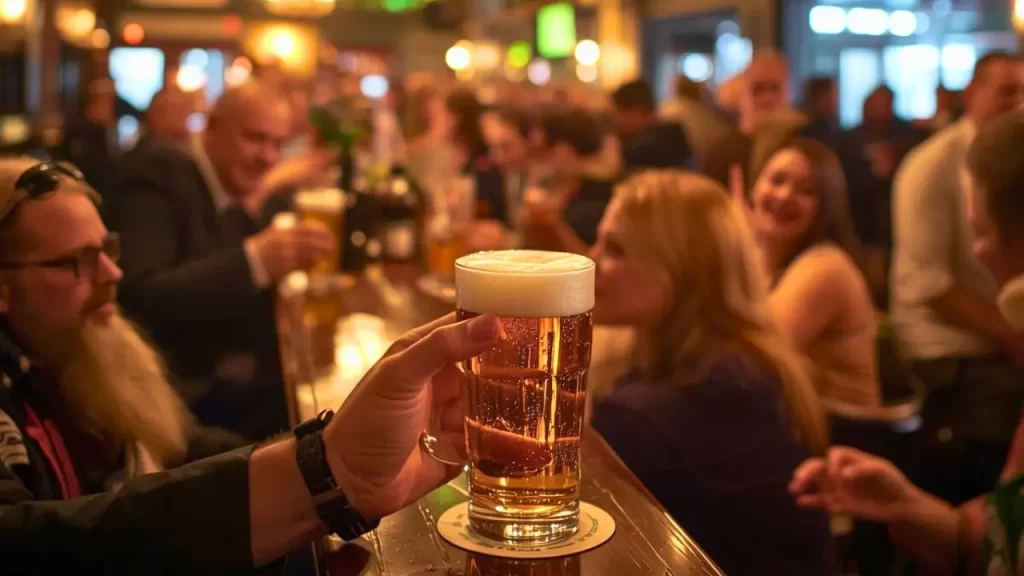
A Celebration That Connects the World
St. Patrick’s Day proves that cultural traditions can travel across continents and generations.
From small villages in Ireland to bustling cities across the globe, the celebration continues to unite people through music, storytelling, food, and shared joy.
Whether you attend a parade, cook an Irish inspired meal, or simply wear a touch of green, participating in St. Patrick’s Day is a reminder of how powerful cultural traditions can be.
Curious to Explore More Global Traditions?
If you enjoy discovering cultural celebrations from around the world, explore more articles on Your Life in Full Bloom about travel, traditions, and meaningful experiences.
And if you know someone who loves Ireland or dreams of visiting the Emerald Isle, share this article with them.
Sometimes the most beautiful journeys begin with a story.

Hi, I’m Gui Perine, the voice and heart behind Your Life in Full Bloom. I have a background in communication and a deep love for emotional wellness, meaningful words, and the beauty of simple living. Traveling is my way of reconnecting with life and myself. Through my writing, I hope to inspire moments of presence, gentleness, and clarity. May you always feel at home here, and within yourself.