

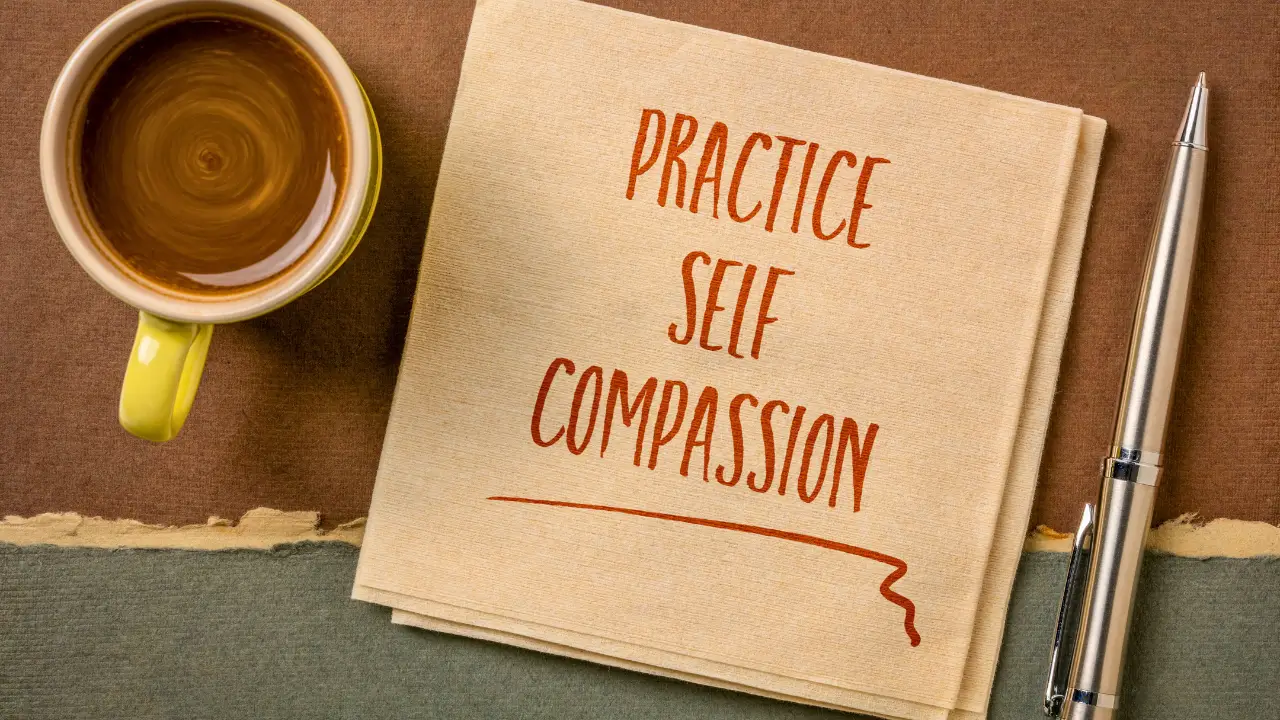
How to practice self-compassion when you feel like a failure is one of the most powerful skills you can develop for emotional resilience. Instead of letting self-criticism dominate your thoughts, self-compassion teaches you to respond with kindness, patience, and perspective.
Many people mistakenly believe that being hard on themselves is the only way to improve. But research from Kristin Neff, a pioneer in self-compassion studies, shows the opposite: people who treat themselves with compassion are more motivated, less anxious, and better equipped to overcome setbacks.
This article will guide you through practical ways to cultivate self-compassion in those difficult moments when failure feels overwhelming.
What Is Self-Compassion?
Self-compassion is the ability to treat yourself with the same care and understanding you would offer a close friend. It involves three main components:
- Self-kindness – speaking to yourself with gentleness instead of harsh criticism.
- Common humanity – recognizing that everyone makes mistakes and experiences failure.
- Mindfulness – staying aware of your feelings without exaggerating or ignoring them.
When you combine these elements, you create a healthier relationship with yourself, one that turns failure into an opportunity for growth.

Why We Struggle With Feelings of Failure
- Social comparison amplified by social media.
- Unrealistic expectations about productivity and success.
- Fear of disappointing family, colleagues, or society.
- Perfectionism and lack of tolerance for mistakes.
Recognizing these factors is the first step toward dismantling them.
7 Steps to Practice Self-Compassion When You Feel Like a Failure
Learning how to practice self-compassion when you feel like a failure becomes easier when you break it into practical steps. Each action helps you replace self-criticism with kindness and perspective.
1. Pause and Acknowledge the Pain
The first step is to simply stop and notice what you are feeling. Instead of suppressing emotions, give yourself permission to recognize them. You might say: “This is hard. I’m struggling right now.” Naming the pain reduces its intensity and prevents it from taking full control.
2. Replace Harsh Self-Talk With Kind Words
After recognizing your emotions, pay attention to how you speak to yourself. Ask: “Would I say this to someone I love?” If the answer is no, reframe the phrase into something more compassionate, such as: “I made a mistake, but that doesn’t mean I am a failure.”
3. Remember You’re Not Alone
Self-criticism often makes us feel isolated. Remind yourself that failure is a universal experience. Everyone faces setbacks at some point, and this common humanity helps you realize you are not broken—you are simply human.
4. Practice Mindful Breathing
Stress can cloud judgment. Taking three deep, slow breaths signals safety to the nervous system. This simple pause gives your mind the clarity to respond thoughtfully instead of reacting automatically with self-blame.
5. Reframe Failure as Feedback
Instead of seeing mistakes as proof of inadequacy, interpret them as valuable data. Ask yourself: “What can this situation teach me?” With this perspective, failure becomes a teacher rather than a punishment.
6. Write Yourself a Compassionate Letter
Putting feelings into words helps you process them. Write a letter to yourself as if you were comforting a close friend. Research shows this practice reduces shame and strengthens resilience over time.
7. Seek Support When Needed
Self-compassion also means knowing when to reach out. Talking to a friend, mentor, or therapist allows you to receive perspective and encouragement that you might struggle to give yourself.

Science Behind Self-Compassion
- People with higher self-compassion show 40% less anxiety and 34% less depression, according to studies from the University of Texas.
- Brain scans reveal that compassionate self-talk activates areas linked to safety and regulation, not threat response.
This proves that being gentle with yourself is not indulgent—it’s scientifically beneficial.
Daily Practices to Strengthen Self-Compassion
- Morning affirmation: Begin the day with a phrase like “I am learning, and that’s enough.”
- Gratitude journaling: Note three things you did well today, however small.
- Mindful breaks: Schedule short pauses to check in with your emotions.
- Digital detox: Limit comparison triggers on social media.

Choosing Self-Compassion Over Self-Criticism
Failure does not define your worth. What defines you is how you respond when things don’t go as planned. By practicing self-compassion, you create the mental clarity and emotional strength to keep moving forward.
Share this article with someone who needs a reminder that failure is not the end, but part of the journey.
Suggested Read:
- Unbreakable Strength: Lessons from Afghanistan’s Survivors
- Unlock Your Aura: 9 Powerful Ways to Cleanse and Shine
- 5 Simple Breathwork Exercises to Reduce Anxiety
- 7 Powerful Mindfulness Practices for a Calmer LifeDiscover
- 7 Steps to Daily Calm: Unlock Your Potential with Mindful Living

Hi, I’m Gui Perine, the voice and heart behind Your Life in Full Bloom. I have a background in communication and a deep love for emotional wellness, meaningful words, and the beauty of simple living. Traveling is my way of reconnecting with life and myself. Through my writing, I hope to inspire moments of presence, gentleness, and clarity. May you always feel at home here, and within yourself.


4 thoughts on “7 Ways to Practice Self-Compassion When You Feel Like a Failure”