

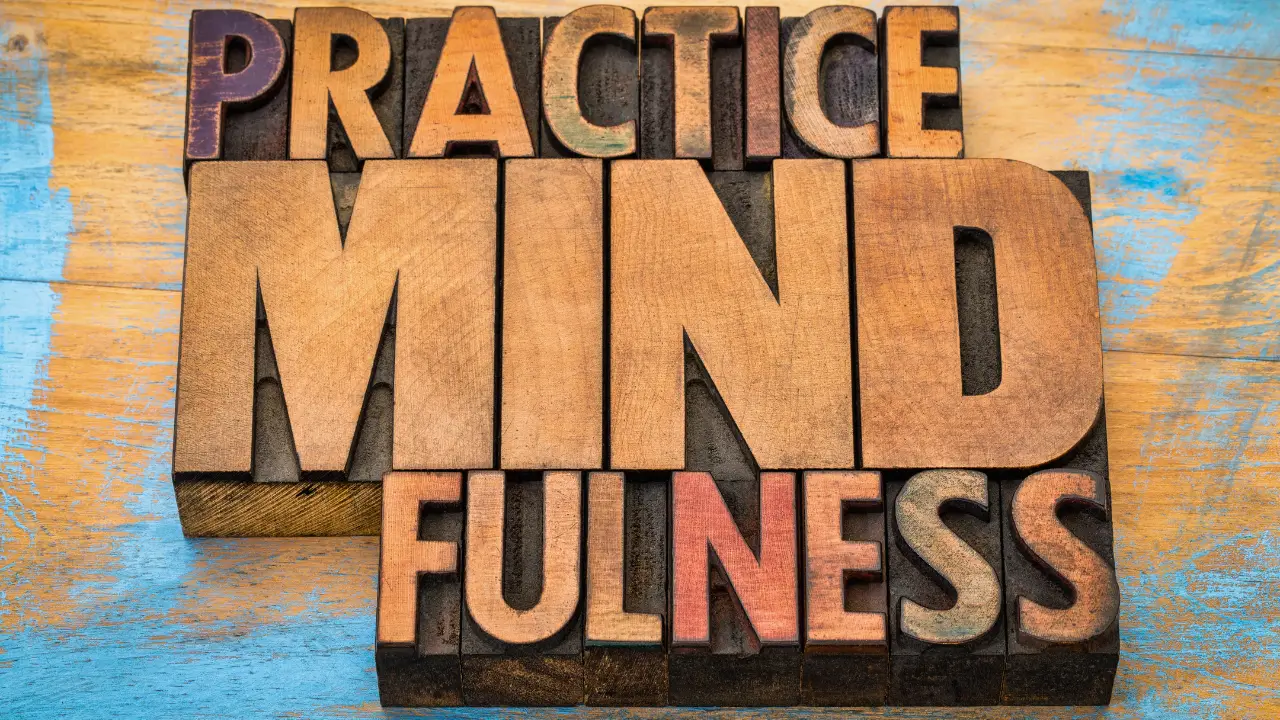
Discover how to bring mindfulness into your routine, reduce stress, and live with more balance and well-being
Why Mindfulness Is Essential in the Modern World
In today’s fast-paced world, marked by information overload and hectic routines, people face unprecedented levels of stress and distraction. The digital environment imposes a constant rhythm of notifications, personal and professional demands, and the feeling that there’s never enough time. It’s in this context that mindfulness emerges as an essential practice for anyone looking to reclaim control over their well-being.
Mindfulness is a powerful tool that offers mental clarity, reduces the weight of daily worries, and builds an inner foundation of peace—even in the face of adversity. By engaging in mindfulness practices, you learn not only to manage life’s pressures more effectively but also to thrive amid the chaos, cultivating a more meaningful and peaceful existence.
In this article, you’ll discover seven proven mindfulness techniques, detailed in an easy-to-follow format so you can start applying them today. You’ll also find practical tips, fun facts, and credible references to support your journey. Our goal is to provide accessible, inspiring guidance that leads to real and lasting change, promoting greater health, satisfaction, and quality of life.
What Is Mindfulness? Understanding the Concept and Its Benefits
The term mindfulness refers to the ability to be fully present in the moment—consciously, openly, and without judgment. Rooted in ancient Eastern contemplative traditions, mindfulness has gained strong scientific validation in the West.
Its benefits are well-documented: reduced anxiety and stress, improved concentration and productivity, better relationships, and a more resilient and balanced mind. According to studies by the American Psychological Association, regular mindfulness practice can alleviate symptoms of depression, improve sleep quality, and even strengthen the immune system.
Mindfulness isn’t just a trend—it’s a powerful, accessible investment in your physical and mental health. When practiced consistently, it helps you respond to challenges with wisdom instead of reactivity, enriching your life experience at every level.

7 Mindfulness Practices to Live Better
You don’t need drastic changes or expensive tools to practice mindfulness—just a willingness to begin and the consistency to continue. Even small adjustments to your daily routine can yield noticeable results. Below are the seven most recommended mindfulness practices, clearly explained to help you integrate them into your life.
1. Conscious Breathing
Breathing is the starting point and foundation of all mindfulness practices. By intentionally focusing on your breath, you create a pause amid the whirlwind of thoughts and emotions.
To begin, find a quiet space, sit or lie down comfortably, close your eyes, and direct your attention to your breathing. Notice the cool air as it enters your nose and the warmth as it exits. Feel your chest or belly rising and falling.
If distractions arise, simply acknowledge them and gently bring your attention back to your breath—without self-judgment.
Try this for three minutes, especially before meals, during work breaks, or whenever you feel overwhelmed. This simple habit can bring instant relief, calm your emotions, and improve focus throughout your day.
2. Mindful Eating
Turning meals into moments of presence is one of the most effective ways to apply mindfulness in everyday life. We often eat on autopilot, distracted by screens or thoughts, which leads to overeating and decreased enjoyment.
Mindful eating involves slowing down and connecting with your food. Choose a simple item like a piece of fruit, and observe its color, texture, scent, and even the sound as you bite. Eat slowly, chew thoroughly, and notice every flavor and sensation.
This practice not only improves digestion and increases satisfaction but also helps you recognize fullness cues, transforming meals into moments of care and gratitude.
3. Body Scan
The body scan is a powerful technique for developing bodily awareness and deep relaxation. It involves methodically directing your attention to different parts of the body and noticing sensations like tension, warmth, or discomfort.
Lie down or sit comfortably, close your eyes, and begin with your feet. Observe any sensations, then slowly move to your legs, hips, torso, arms, hands, neck, and head, spending a few moments on each area.
Breathe deeply and use each exhale to release tension. This regular practice enhances body awareness, reduces physical discomfort, and can be especially helpful for those struggling with insomnia.
4. Mindful Walking
Mindful walking turns a routine activity into a grounding experience. Instead of walking on autopilot, take a few minutes to walk slowly, feeling your feet on the ground, your legs moving, and your body’s posture.
Notice the sounds, smells, temperature, and physical sensations around you. Avoid using headphones and choose short paths—outdoors or even indoors.
This mindful movement relieves stress, reconnects you with your body, and can be practiced at any time of day.
5. Digital Detox Moments
In a world ruled by screens, taking breaks from technology is crucial for mental health. A digital pause means setting aside at least 15 minutes daily without phones, computers, or other gadgets.
Use this time for present-centered activities: meditation, reading, nature watching, or simply doing nothing but observing your surroundings.
These small breaks reduce anxiety, improve focus, and help you reconnect with your own thoughts and feelings, making your day more productive and balanced.
6. Active Listening
Mindfulness also enhances relationships, especially through active listening. When talking to someone, offer full attention—don’t interrupt, judge, or plan your response while they’re speaking.
Tune in to tone of voice, emotion, and body language. Listen with the intention to understand, not just to reply.
This deepens connections, fosters empathy, and transforms both personal and professional relationships. By practicing active listening, you create space for more authentic and meaningful dialogue.
7. Gratitude Practice
Gratitude is a transformative mindset that fosters positivity. At the end of each day, reflect on three things you’re genuinely grateful for. They can be small—like a smile, a tasty meal, or a job well done.
Write them in a journal or say them aloud. Take a few seconds to feel the warmth and joy they bring.
Research shows that regular gratitude increases happiness, strengthens emotional resilience, and helps you view challenges from a healthier perspective.

Fun Facts and Trusted Sources on Mindfulness
- Mindfulness is a corporate strategy used by companies like Google and Apple to boost creativity and reduce stress in the workplace.
- Apps like Headspace and Calm have become global leaders in guided meditations and soundscapes, backed by science.
- The MBSR protocol (Mindfulness-Based Stress Reduction), developed at the University of Massachusetts, is widely used in hospitals to treat anxiety, chronic pain, and stress, demonstrating its relevance in public health.
To go deeper, check trusted sources like Mayo Clinic, Harvard Health Publishing, and PubMed, where you’ll find current research on mindfulness and health.
How to Bring Mindfulness Into Your Routine: Practical Tips
- Start with one or two practices that suit your lifestyle. What matters most is consistency—even a few minutes a day will make a difference over time.
- Use visual cues like sticky notes or phone reminders to keep your practice on track. Simple prompts help build lasting habits.
- Join a mindfulness group, attend virtual sessions, or download an app to stay inspired and connected to others on the same journey.
- Be kind to yourself. Mindfulness isn’t about perfection—it’s about returning to the present moment again and again, recognizing each attempt as progress.
With time, mindfulness becomes second nature, supporting a more peaceful, centered, and conscious way of living.
Health Benefits of Mindfulness for Body and Mind
Extensive studies show that mindfulness enhances overall well-being. It can reduce anxiety and depression, improve sleep quality, and assist in recovery from burnout and stress-related issues.
Other physical benefits include lower blood pressure, enhanced immune function, and increased tolerance to chronic pain. It’s also used in therapeutic programs for illness prevention and treatment.
In everyday life, mindfulness leads to greater satisfaction, improved relationships, and a more compassionate outlook—toward both yourself and others. It’s a powerful investment in living with clarity, energy, and emotional balance.
What Is the Best Mindfulness Practice for Beginners?
For beginners, conscious breathing is widely recognized as the most accessible and effective mindfulness practice. It can be done anywhere, anytime, and delivers immediate benefits—like stress relief, emotional grounding, and mental clarity. This simple technique lays the foundation for exploring deeper mindfulness habits.
How to Monetize Mindfulness Content
With the growing demand for mindfulness, there are many opportunities to turn content into income while delivering real value. You can:
- Create online courses or eBooks on mindfulness
- Offer guided audio meditations
- Launch a membership program or virtual community
- Partner with meditation apps or wellness brands
- Host webinars, group mentoring, or retreats
- Provide consulting to companies introducing mindfulness to their teams
Always aim to offer authentic, high-quality content that educates, inspires, and improves people’s lives.

Mindfulness as a Path to a More Fulfilling Life
Mindfulness is a powerful act of self-care that can revolutionize how you respond to emotions, relationships, and daily stress. By exploring the seven practices shared here, you’re opening the door to a calmer, more balanced, and joyful life.
Ready to get started? Choose one practice today and invite someone you care about to join you. Share this article and help others experience the magic of mindful living.
Keep Exploring:
Don’t stop here! Browse other articles about wellness, self-care, productivity, and conscious living. Your journey to a more meaningful life is just beginning—stay with us and keep blooming every day.
7 Steps to Daily Calm: Unlock Your Potential with Mindful Living

Gui Perine
Gui Perine is the creator of Your Life in Full Bloom, a lifestyle website for women who want to live with more intention, beauty, and freedom after 50.
Through thoughtful articles on home, travel, reinvention, and everyday choices, she explores what it means to build a fuller life in a new season — one that feels calmer, more personal, and more aligned with who you are becoming.
Her work is inspired by real-life transitions, the desire for independence, and the belief that life after 50 can be a time of clarity, possibility, and renewal.



7 thoughts on “7 Powerful Mindfulness Practices for a Calmer LifeDiscover”