Warm minimalism is one of the most inviting home trends because it offers something many people want right now: a calm home that does not feel cold, empty, or impersonal.
For years, minimalism was often associated with white walls, sharp lines, bare surfaces, and rooms that looked beautiful but sometimes felt too sterile for real life. Warm minimalism changes that. It keeps the calm, clean, uncluttered feeling of minimalism, but adds softness, texture, natural materials, warm colors, and personal details.
A warm minimalist home is simple, but not empty. Cozy, but not cluttered. Elegant, but not untouchable. It is the kind of home that gives your eyes room to rest while still making you feel welcomed, grounded, and comfortable.
That is why warm minimalism is such a powerful trend. People are not only decorating for appearance anymore. They are decorating for daily life, emotional comfort, better routines, and a deeper sense of well-being at home.
The good news is that you do not need a full renovation to bring warm minimalism into your space. You can start with small changes: warmer lighting, softer textures, natural wood, cozy corners, better storage, fewer random objects, and more intentional choices.
In this guide, you will learn what warm minimalism means, why it is trending, and how to bring it into your home in a simple, realistic, beautiful way.
What Is Warm Minimalism?
Warm minimalism is a design style that combines the simplicity of minimalism with the comfort of cozy, lived-in interiors.
Traditional minimalism focuses on reducing visual noise. Warm minimalism keeps that idea, but makes it more human. Instead of creating a space that feels bare, it creates a space that feels calm and welcoming.
A warm minimalist home usually includes:
- uncluttered surfaces;
- warm neutral colors;
- natural textures;
- soft lighting;
- wood, linen, wool, cotton, stone, clay, or rattan;
- curved or organic shapes;
- fewer but better objects;
- meaningful personal details;
- comfortable seating;
- functional storage;
- a sense of ease.
The goal is not to own nothing. The goal is to keep what supports your life and remove what creates stress, clutter, or visual overwhelm.
Warm minimalism works especially well for people who want a peaceful home but do not want their space to feel cold or overly perfect. It is ideal for busy lives, small apartments, family homes, bedrooms, living rooms, home offices, and anyone who wants a softer version of simplicity.
At its best, warm minimalism feels like a deep breath.
Why Is Warm Minimalism Trending?
Warm minimalism is trending because people are tired of extremes.
On one side, very cold minimalism can feel too empty. On the other side, maximalism can feel too busy for people who crave calm. Warm minimalism sits in the middle. It gives you breathing space without removing comfort.
It also reflects a bigger shift in how people think about home. A home is no longer just a place to sleep, cook, and store things. For many people, it is also a place to work, rest, recover, connect, exercise, create, and regulate stress.
That means design needs to support real life.
A warm minimalist home can help reduce visual clutter, create better routines, and make everyday spaces feel more grounded. It is less about chasing a perfect aesthetic and more about building a home that feels good to live in.
The trend also works because it is flexible. You can bring warm minimalism into a rental apartment, a small bedroom, a large living room, a new home, or an older house. You do not need luxury furniture or a huge budget. You need intention.
Instead of buying more decor, warm minimalism asks better questions:
- Does this room help me feel calm?
- Do I actually use what is here?
- Is this object beautiful, useful, or meaningful?
- Does the lighting feel good at night?
- Does the space support my real routine?
- What can I remove before I add something new?
That is what makes the trend feel modern. It is not just about how a home looks. It is about how a home supports your life.
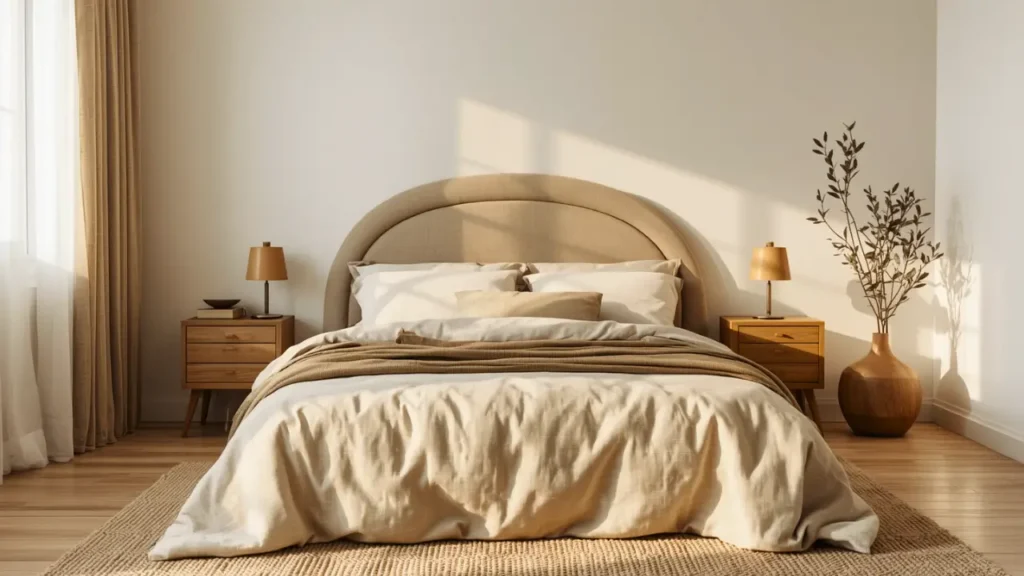
1. Start Warm Minimalism With a Softer Color Palette
Color is one of the easiest ways to begin creating a warm minimalist home. The goal is to keep the space calm, but not flat.
Instead of stark white and cold gray, warm minimalism uses shades that feel soft, natural, and grounded. Think creamy white, oatmeal, beige, sand, taupe, warm gray, clay, terracotta, soft brown, olive, mushroom, warm ivory, muted gold, and natural wood tones.
These colors create a peaceful background without making the room feel sterile. They also work well with many styles, from modern to rustic to coastal to Scandinavian-inspired interiors.
You do not need to repaint your entire home. Start small. A warmer throw blanket, pillow cover, curtain, rug, lampshade, vase, or bedding set can shift the mood of a room.
If your home already has white walls, add warmth through materials. Wood, woven baskets, linen curtains, ceramic pieces, and warm-toned textiles can soften a cool space without changing the wall color.
A good warm minimalist palette should feel layered, not boring. The secret is subtle variation. Instead of using one beige everywhere, mix cream, sand, wood, taupe, and a deeper earthy accent.
Warm minimalism works best when color feels quiet, but not lifeless.
2. Use Texture to Avoid a Cold Minimalist Look
Texture is what makes warm minimalism feel cozy instead of empty.
A room can have very few colors and still feel rich if it includes enough texture. Without texture, minimalism can feel flat. With texture, it becomes inviting.
Some of the best textures for warm minimalist decor include:
- linen curtains;
- cotton bedding;
- wool throws;
- jute or wool rugs;
- rattan baskets;
- ceramic vases;
- wood furniture;
- stone trays;
- woven lampshades;
- boucle or textured pillows;
- handmade pottery;
- natural fiber storage.
Texture brings visual depth and physical comfort. It makes a room feel touchable.
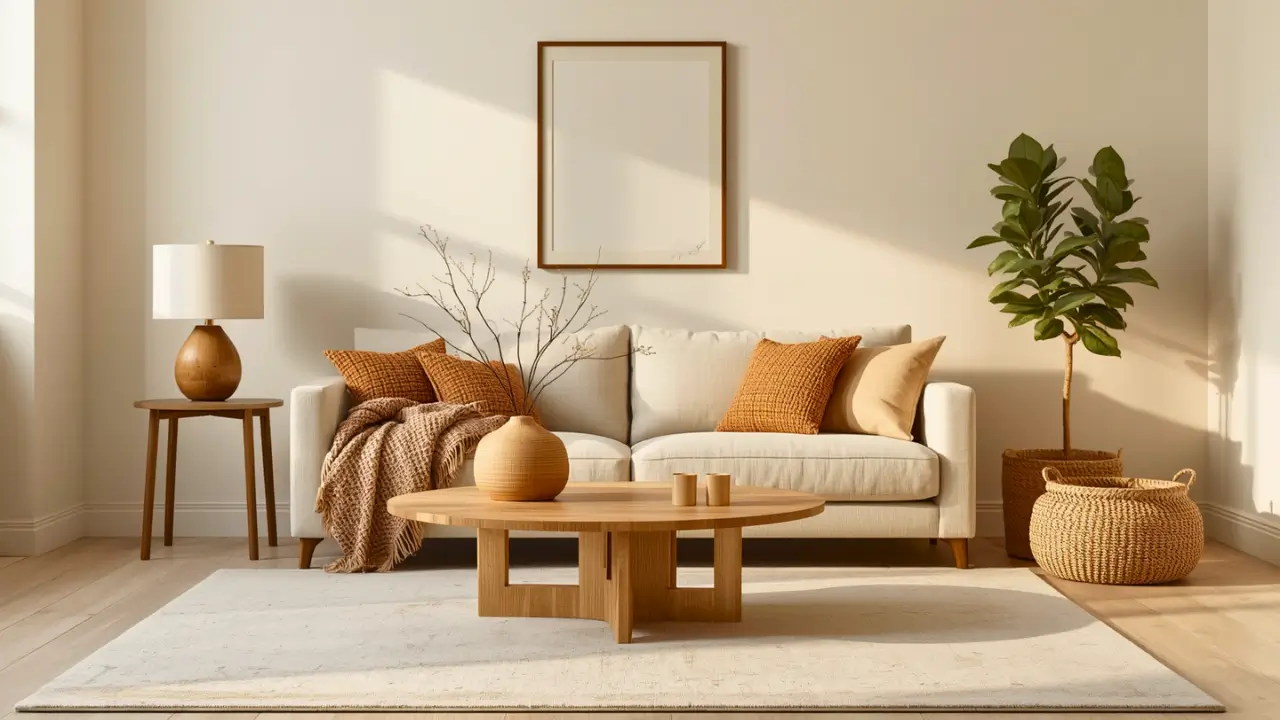
For example, a simple living room with a neutral sofa can become much warmer with a woven rug, a wooden coffee table, a soft throw, two textured pillows, a ceramic vase, and a warm lamp. Nothing needs to be loud. The combination does the work.
In a bedroom, layered bedding can create the same effect. Use breathable sheets, a textured blanket, a soft quilt, and pillows in slightly different materials.
Warm minimalism does not need many objects. But the objects it does include should feel good, natural, and intentional.
3. Choose Furniture With Simple Shapes and Soft Edges
Warm minimalist furniture should feel clean, but not harsh.
Sharp lines and very glossy finishes can make a room feel cold if they are not balanced with softness. That is why curved shapes, rounded edges, lower profiles, and natural materials work so well in this style.
Look for furniture that feels simple and practical, but also comfortable.
A warm minimalist living room might include:
- a sofa with clean lines but soft fabric;
- a round or oval coffee table;
- a wooden side table;
- an upholstered accent chair;
- a simple media console;
- a storage cabinet with warm wood tones.
In the bedroom, choose a bed frame, nightstands, and dresser that feel calm rather than heavy. Natural wood, upholstered headboards, and soft shapes can help the room feel restful.
The key is restraint. You do not need many statement pieces. One beautiful table, one comfortable chair, or one well-chosen wood cabinet can make the whole room feel more grounded.
Warm minimalism values pieces that are useful, durable, and easy to live with. It is not about filling every corner. It is about choosing furniture that gives the room structure while leaving space to breathe.
4. Make Lighting Warm, Layered, and Gentle
Lighting can make or break warm minimalism.
A room may have the right colors, textures, and furniture, but if the lighting is harsh, the space will not feel cozy. Warm minimalism depends on soft, layered light.
Instead of relying only on one overhead fixture, use several sources of light throughout the room:
- table lamps;
- floor lamps;
- wall sconces;
- picture lights;
- candles;
- LED strips hidden under shelves;
- warm bulbs;
- dimmable lighting.
The goal is to create different moods for different moments. Bright light may be useful for cleaning or working, but evening light should feel softer and more relaxing.
A table lamp on a sideboard can make a dining area feel intimate. A floor lamp beside an armchair can create a reading corner. A small lamp on a kitchen counter can make the kitchen feel more like a living space at night.
Warm minimalism is not only visual. It is atmospheric. And lighting is one of the strongest ways to create atmosphere.
If you want one quick change, start by replacing cold bulbs with warm white bulbs and adding one lamp where the room feels flat.
5. Keep Surfaces Clear, But Not Empty
Warm minimalism does not mean every surface must be bare. That can make a home feel staged instead of lived in.
The goal is to keep surfaces intentional.
A coffee table does not need ten objects. It may only need a tray, a book, a candle, and a small vase. A nightstand may only need a lamp, a book, and a small bowl. A kitchen counter may only need a wooden board, a ceramic utensil holder, and a plant or fruit bowl.
Clear surfaces help reduce mental noise. But a few carefully chosen objects bring warmth and personality.
A simple rule is to group objects rather than scatter them. A tray can make everyday items feel styled. A stack of books can create height. A vase can add softness. A small bowl can hold keys or jewelry.
Warm minimalism is not about removing all signs of life. It is about editing the room so the signs of life feel beautiful and useful.
If a surface feels cluttered, remove everything first. Then add back only what is functional, meaningful, or visually grounding.
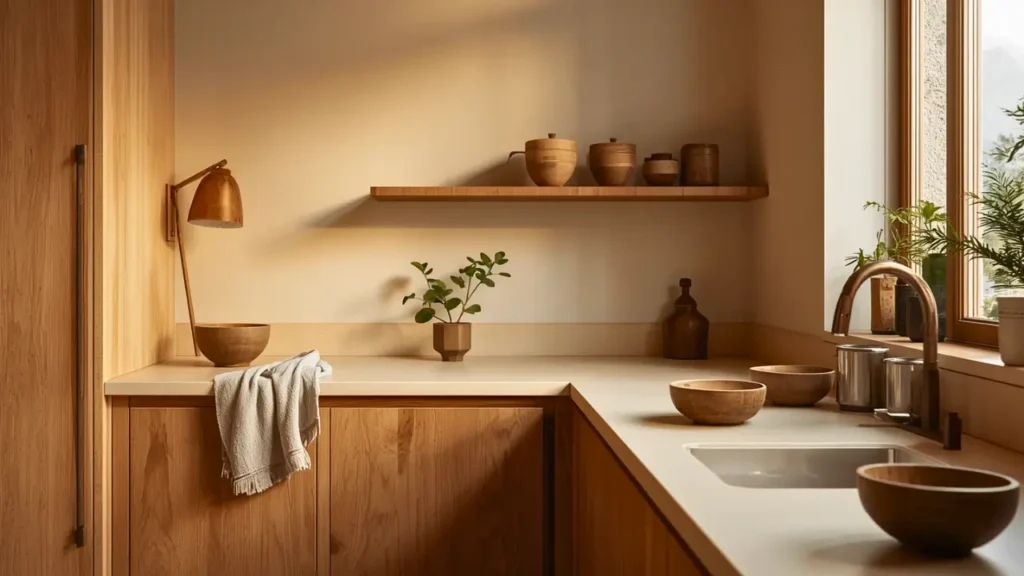
6. Add Natural Materials Everywhere You Can
Natural materials are at the heart of warm minimalism. They bring life, texture, and timelessness into the home.
Wood is one of the most important materials in this style. It can appear in furniture, frames, shelves, trays, bowls, floors, or small decorative objects. Light oak, walnut, reclaimed wood, and warm mid-tone woods all work beautifully.
Other natural materials include:
- linen;
- cotton;
- wool;
- stone;
- clay;
- ceramic;
- rattan;
- seagrass;
- jute;
- leather;
- bamboo.
These materials age better than many synthetic pieces. They bring character. They also make a home feel more connected to nature, even in a city apartment.
You can add natural materials in small ways: a wooden tray, a ceramic vase, a linen curtain, a woven basket, a stone bowl, or a cotton throw.
Warm minimalism does not need expensive design pieces. It needs materials that feel honest.
When in doubt, choose natural texture over shiny decoration.
7. Bring in Plants Without Turning the Room Into a Jungle
Plants work beautifully with warm minimalism because they add life without visual heaviness.
You do not need dozens of plants. A few well-placed ones can be enough.
Try:
- one large plant in an empty corner;
- a small plant on a shelf;
- herbs in the kitchen;
- a simple branch arrangement in a vase;
- a trailing plant on a cabinet;
- a plant beside a reading chair.
Plants soften straight lines and bring movement into a room. They also help a minimalist space feel more alive.
Choose plants that fit your home’s light and your care routine. A warm minimalist home should feel easy to maintain, not stressful. If you travel often or forget to water, choose low-maintenance plants.
The pot matters too. Ceramic, terracotta, stone, woven baskets, or simple matte planters fit the style well.
A plant in the right place can do more for a room than several random decorative objects.
8. Create One Cozy Corner for Rest
Warm minimalism is not only about how your home looks. It is about how your home helps you live.
One of the best ways to bring the trend into your home is to create a cozy corner for rest. It can be a reading nook, a chair by the window, a small meditation space, a bedroom corner, or a quiet place for tea.
You only need a few elements:
- a comfortable chair or cushion;
- a warm lamp;
- a small side table;
- a throw blanket;
- a book or journal;
- a plant or vase;
- a basket for storage.
This corner gives your home a purpose beyond productivity. It reminds you to pause.
A cozy corner is especially useful in busy homes. It creates a visual and emotional signal: this is where I slow down.
Warm minimalism supports this kind of living. Instead of filling space with decoration, it makes space for rituals.
9. Choose Fewer Objects, But Make Them Personal
One of the biggest mistakes people make with minimalism is removing too much personality. A home can be uncluttered and still tell a story.
Warm minimalism works best when the objects you keep have meaning.
That could be:
- a book you love;
- a framed photograph;
- handmade ceramics;
- a travel memory;
- a vintage bowl;
- a family piece;
- art that makes you feel something;
- a textile from a special place;
- a favorite candle;
- a beautiful tray you use every day.
The point is not to display everything. The point is to choose what deserves space.
A warm minimalist home should not look like a furniture catalog. It should look calm, but still connected to your life.
If you have many meaningful objects, rotate them seasonally. This allows your home to stay fresh without becoming crowded.
Personality does not require clutter. It requires intention.
10. Use Storage That Looks Beautiful and Works Hard
Warm minimalism depends on good storage. Without it, daily life quickly becomes cluttered.
The best storage pieces are both practical and beautiful. They help you keep the room calm without hiding life completely.
Useful storage ideas include:
- woven baskets for blankets;
- trays for small objects;
- boxes for papers;
- cabinets with doors;
- drawer dividers;
- storage benches;
- floating shelves;
- entryway hooks;
- under-bed storage;
- lidded baskets.
Think about where clutter naturally collects. The entryway, coffee table, nightstand, kitchen counter, bathroom sink, and desk are common problem areas.
Instead of fighting your habits, design around them. If keys always land by the door, place a bowl there. If blankets always end up on the sofa, add a basket. If papers pile up in the kitchen, create a small paper station.
Warm minimalism is not about pretending people do not live in the home. It is about making real life easier to manage.
Helpful Amazon Categories for Warm Minimalism
Warm minimalism is not about buying more. It is about choosing better. A few thoughtful pieces can help you create a calmer, warmer space when they support your real routine.
Instead of shopping randomly, think in categories:
Warm lighting and atmosphere
Table lamps, floor lamps, warm bulbs, dimmable lights, flameless candles, and soft lampshades can help create a calmer mood at home.
Natural textures and textiles
Linen curtains, cotton bedding, wool throws, textured pillow covers, jute rugs, and woven baskets add softness without clutter.
Beautiful storage solutions
Trays, baskets, drawer organizers, lidded boxes, entryway organizers, and storage benches help keep surfaces calm and functional.
Natural decor accents
Ceramic vases, wooden trays, stone bowls, handmade-style pottery, neutral planters, and simple wall art add personality in a quiet way.
Cozy corners and reading spaces
Reading lamps, side tables, comfortable throws, bookends, small shelves, and accent chairs can help create a slower, more restful home.
If you want to start with simple pieces, explore warm minimalist decor and cozy home essentials on Amazon.
Shop warm minimalist home essentials on Amazon
As an Amazon Associate, Your Life in Full Bloom may earn from qualifying purchases, at no additional cost to you.
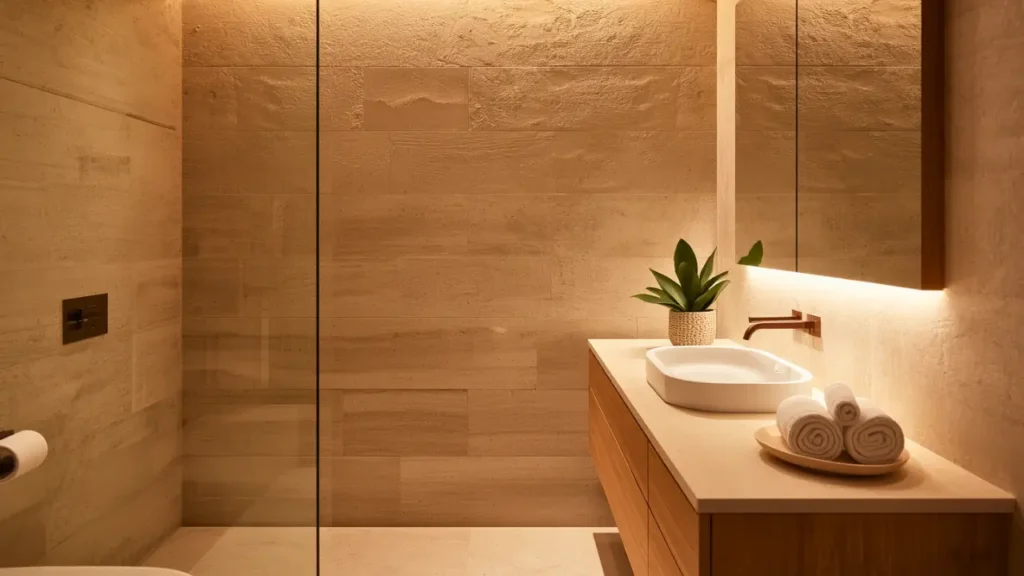
A 7-Day Warm Minimalism Reset
If you want to try warm minimalism without redecorating your entire home, start with one room and one week.
Day 1: Remove everything from one surface and add back only what is useful or beautiful.
Day 2: Replace one cold light source with a warmer lamp or bulb.
Day 3: Add one natural texture, such as linen, wood, cotton, wool, rattan, or ceramic.
Day 4: Organize one clutter zone with a basket, tray, box, or drawer divider.
Day 5: Add one plant, branch arrangement, or natural element.
Day 6: Create one cozy corner for reading, journaling, tea, or quiet time.
Day 7: Remove one object that no longer fits your life.
At the end of the week, notice how the room feels. Warm minimalism is not only about what you see. It is about how you breathe, move, rest, and live in your home.
Final Thoughts on Warm Minimalism
Warm minimalism is popular because it answers a real need. People want homes that feel calm, but not cold. Simple, but not empty. Beautiful, but still livable.
This style invites you to slow down and choose with more intention. Keep what matters. Remove what weighs down the room. Add warmth through light, texture, nature, and meaningful details.
You do not need a perfect home to begin. You can start with one lamp, one corner, one basket, one plant, one softer blanket, or one cleared surface.
Warm minimalism is not about having less for the sake of less. It is about creating more space for the life you actually want to live.
Your home should not only look good in a photo. It should support your mornings, your evenings, your rest, your routines, your relationships, and your sense of peace.
A warm minimalist home is not empty.
It is edited.
It is intentional.
It is calm.
And most importantly, it feels like home.
Read More:

Hi, I’m Gui Perine, the voice and heart behind Your Life in Full Bloom. I have a background in communication and a deep love for emotional wellness, meaningful words, and the beauty of simple living. Traveling is my way of reconnecting with life and myself. Through my writing, I hope to inspire moments of presence, gentleness, and clarity. May you always feel at home here, and within yourself.