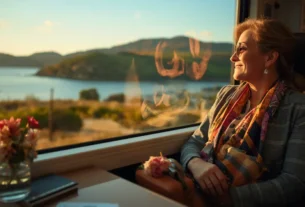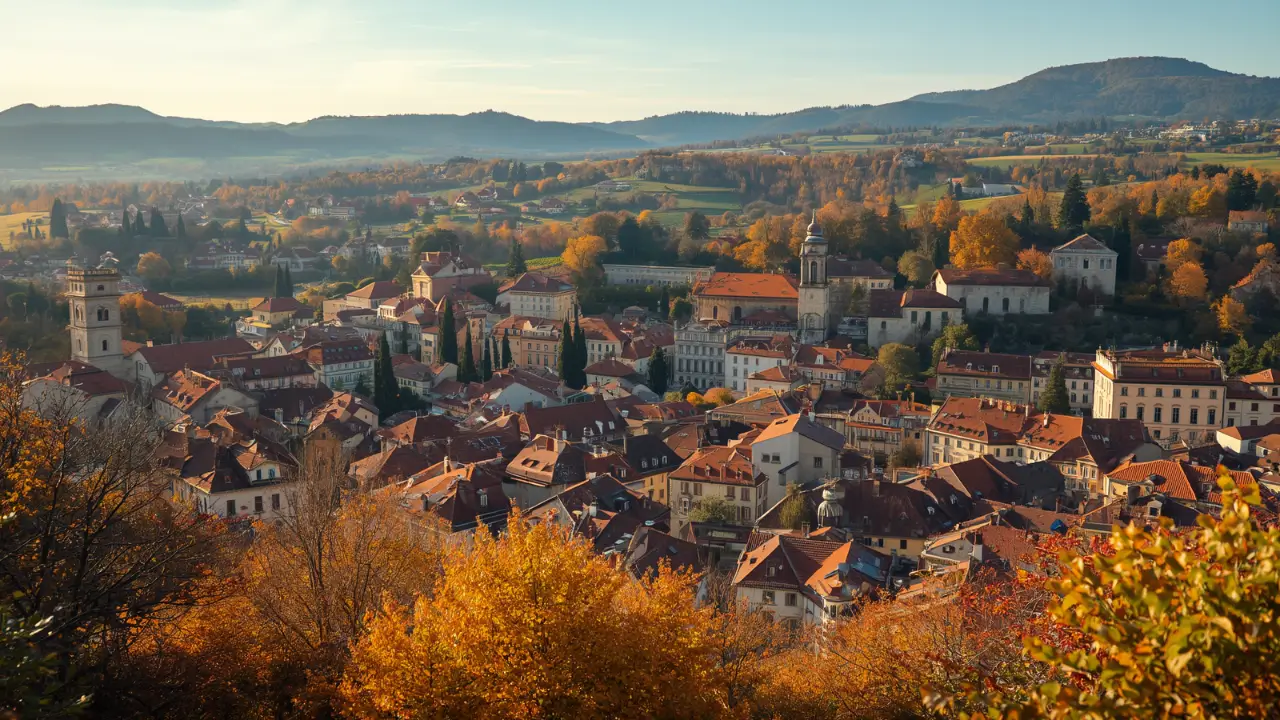
Traveling through Europe in the fall can feel like discovering a more generous version of the continent. The long lines of midsummer begin to shrink, the heat softens, local routines return, and landscapes take on deeper shades of gold, copper, green, and red.
Autumn does not guarantee empty streets or bargain prices everywhere. Popular capitals remain popular, major events can fill hotels, and weather becomes less predictable as the season progresses. Yet with thoughtful planning, fall can offer something summer often cannot: room to slow down.
You can linger over lunch without feeling that an entire city is rushing beside you. You can walk through historic neighborhoods in comfortable temperatures. You can visit vineyards during harvest season, enjoy museums on cooler afternoons, and choose an itinerary based on curiosity rather than a race to see everything.
For travelers over 50, that rhythm can be especially appealing. A good trip does not need to be physically punishing or packed from morning until night. It can combine culture, food, nature, comfortable transportation, and time to rest.
The following nine destinations offer different ways to experience a European autumn, from Italian hill towns and Alpine scenery to elegant cities and Atlantic landscapes.
Why Travel to Europe in the Fall?
Summer has obvious advantages: long days, beach weather, and a full schedule of tours and attractions. It also brings intense heat, crowded landmarks, higher demand, and the pressure to reserve almost everything well in advance.
Fall changes the equation.
Depending on the destination and travel dates, you may find:
- more comfortable daytime temperatures;
- fewer tour groups than in July and August;
- better availability at smaller hotels;
- seasonal menus based on mushrooms, truffles, chestnuts, apples, grapes, and new olive oil;
- harvest traditions and local festivals;
- beautiful foliage in cities, vineyards, and mountain regions;
- a calmer atmosphere in places that feel overwhelmed in summer;
- more opportunities to observe daily local life.
September can still feel like summer in southern Europe. October often brings the richest autumn atmosphere. November is quieter but also cooler, darker, and more likely to include rain or limited seasonal services.
There is no universally perfect fall month. The best timing depends on what you want: warmer weather, changing leaves, wine harvests, cultural events, or the quietest possible experience.
1. Why Visit Umbria, Italy, in the Fall?
Umbria offers much of what travelers love about central Italy without relying on the same famous itinerary as Florence, Rome, and the Tuscan highlights. Its medieval towns, olive groves, vineyards, forests, and rural landscapes feel particularly suited to autumn.
Perugia provides art, history, cafés, and good transportation connections. Assisi combines important religious heritage with expansive views across the Umbrian countryside. Smaller places such as Spello, Bevagna, Montefalco, Gubbio, and Orvieto can be woven into a slower route.
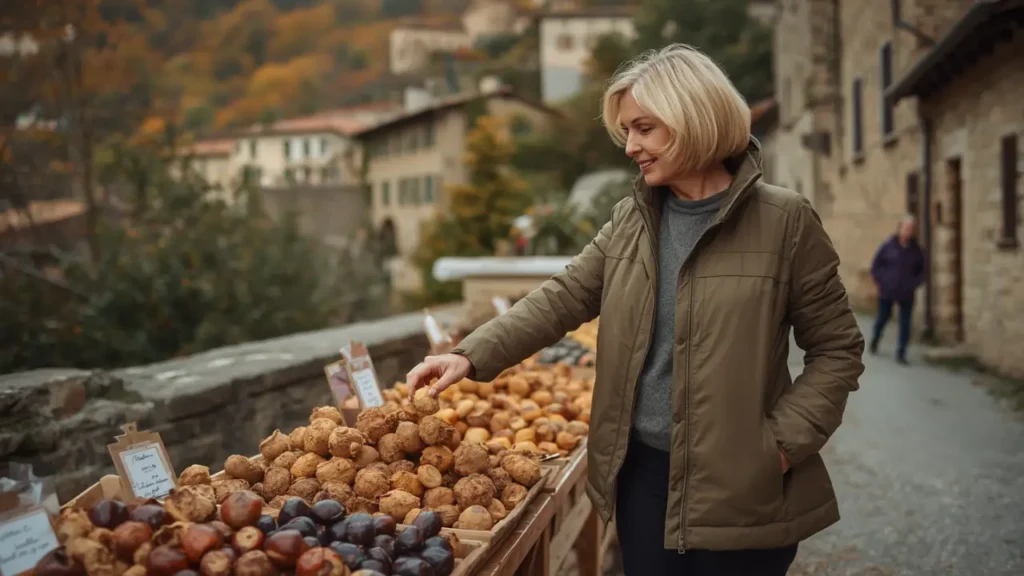
Fall is closely connected to the region’s food culture. Grapes are harvested, olives begin their journey toward fresh oil, and menus turn toward mushrooms, chestnuts, lentils, truffles, soups, and richer pasta dishes. You do not need to plan the trip around a festival; the season itself is enough.
Best for
Food, medieval towns, countryside drives, art, religious heritage, and travelers who prefer a slower Italian itinerary.
What to consider
A car is useful for smaller towns, but parking and medieval streets can be challenging. If you prefer not to drive, choose a base such as Perugia, Assisi, or Orvieto and use trains, buses, private transfers, or organized day trips.
Avoid changing hotels every night. Two or three well-chosen bases will give you more time to experience the region and less time managing luggage.
2. What Makes Vienna Beautiful in Autumn?
Vienna works well in fall because it does not depend on perfect weather. On clear days, you can walk through elegant streets, gardens, markets, and neighborhoods. When the temperature drops or rain arrives, the city offers palaces, museums, concert halls, churches, cafés, and covered markets.
The city’s parks and tree-lined avenues bring visible seasonal color. Schönbrunn Palace combines grand interiors with extensive grounds, while the Belvedere offers art and formal gardens. The MuseumsQuartier and the historic center make it easy to alternate between outdoor walks and indoor cultural stops.
Vienna is also a good choice for travelers who want structure and comfort. Public transportation is extensive, many central areas are walkable, and it is possible to create full days without rushing across the city.
Best for
Art, music, architecture, cafés, reliable public transportation, and travelers who want a city break with indoor alternatives.
What to consider
Major exhibitions, concerts, school holidays, and conferences can affect prices. Reserve important experiences, leave time for unplanned walks, and wear comfortable shoes for palace grounds and museum days.
3. Is Copenhagen Worth Visiting After Summer?
Copenhagen in the fall is less about chasing postcard weather and more about experiencing a city designed around everyday quality of life. Days become cooler, bicycles continue moving through the streets, bakeries feel more inviting, and the city’s restaurants and design spaces offer plenty to do when the weather changes.
Nyhavn remains photogenic, but Copenhagen becomes more interesting when you move beyond a single waterfront image. Explore the food halls, walk through residential neighborhoods, visit design museums, browse independent shops, and make time for gardens and waterfront paths.
A day trip north of the city can add castles, coastline, and art. North Zealand destinations can be reached without turning the trip into a complicated expedition, although opening hours and seasonal schedules should always be checked.
Best for
Design, food, contemporary culture, walkable neighborhoods, waterfront scenery, and efficient urban transportation.
What to consider
Copenhagen can be expensive in any season. Control costs with convenient transit, public spaces, and lunch as your main restaurant meal. Wind and rain also make a waterproof outer layer essential.
4. Why Choose San Sebastián for a Fall Food Trip?
San Sebastián brings together dramatic coastline, elegant architecture, Basque identity, and one of Europe’s most celebrated food cultures. Fall is a natural time to experience the city through flavor rather than treating it only as a summer beach destination.
The old town is famous for pintxos, small portions that allow you to try several specialties across different bars. You do not need to visit every famous address. Choose a few places, observe what regular customers order, and enjoy the ritual slowly.
La Concha Bay remains central to the experience even when swimming is not the plan. The promenade offers an accessible way to appreciate the landscape, while viewpoints and surrounding hills provide broader perspectives for travelers comfortable with more climbing.
Best for
Food, coastal scenery, compact city exploration, Basque culture, and travelers who enjoy structuring a trip around meals.
What to consider
Popular restaurants may require reservations, while pintxos bars are more spontaneous. The city includes flat waterfront walks and steeper areas, so check your hotel location if hills or stairs are a concern.
5. Can You Visit the Dolomites in the Fall?
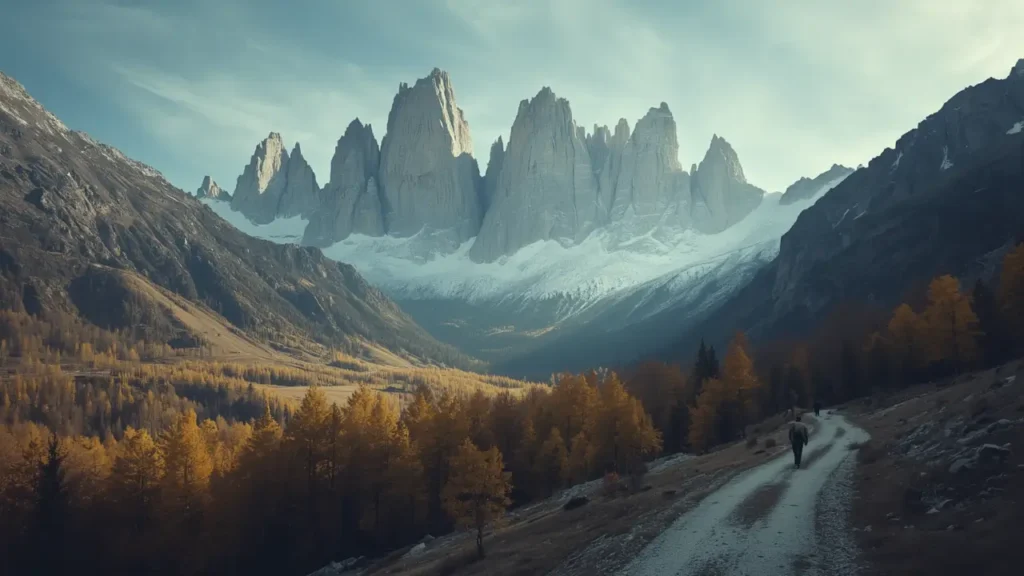
The Dolomites can be spectacular in autumn, but they require more careful planning than a major city. Golden larch trees, pale rock formations, crisp air, and quieter roads can create an unforgettable landscape. At the same time, mountain weather changes quickly and some lifts, huts, hotels, and seasonal services close between summer and winter operations.
That makes timing important. Early fall may offer more open services and milder conditions. Later in the season can be quieter and more dramatic, but travelers need backup plans and realistic expectations.
You do not need difficult hikes to appreciate the region. Scenic drives, accessible viewpoints, lakeside walks, and village stays can form a rewarding itinerary. Bases such as Cortina d’Ampezzo, Ortisei, Val Gardena, and Alta Badia offer different access points.
Best for
Mountain scenery, photography, gentle outdoor activity, spa stays, road trips, and travelers comfortable with changing plans.
What to consider
Verify cable cars, trail facilities, mountain restaurants, road conditions, and seasonal driving requirements close to the trip. A city forecast is not a mountain forecast.
6. What Can You Experience in Ireland’s Midlands?
Many trips to Ireland concentrate on Dublin, the west coast, or a fast circuit of major landmarks. The Midlands offer a different experience: ancient sites, lakes, small towns, religious heritage, castles, peatland landscapes, and stories connected to Ireland’s long history.
Fall gives the region a reflective atmosphere. Mist, changing light, and darker evenings suit places shaped by legend and memory. This is also a season when travelers can approach Ireland as more than a checklist of cliffs and pubs.
Best for
History, folklore, quiet roads, heritage sites, atmospheric landscapes, and travelers interested in a less obvious Ireland itinerary.
What to consider
A car offers flexibility, but narrow roads, left-side traffic, rain, and limited daylight require confidence. Otherwise, research rail connections, private guides, or small-group tours.
7. Does Paris Feel Different in the Fall?
Paris is never an undiscovered destination, and fall does not make its most famous attractions empty. What changes is the rhythm. Summer visitors leave, residents return to work and school, cultural programming becomes active, and parks gradually shift color.
The city rewards a neighborhood approach. Instead of moving from monument to monument, build each day around one area. Combine a museum with a nearby market, garden, bookstore, church, or café. Walk part of the Seine, explore covered passages, or spend an afternoon in a neighborhood you have never visited before.
Luxembourg Gardens, the Tuileries, Parc Monceau, and tree-lined streets offer seasonal color, while museums create strong alternatives for rainy days.
Best for
Art, architecture, fashion, food, gardens, repeat visitors, and travelers who enjoy independent city days.
What to consider
Accommodation can remain expensive. Choose location for transportation and evening comfort, book major timed-entry attractions, and leave room to stop rather than scheduling every hour.
8. Why Combine Ljubljana and Lake Bled?
Ljubljana offers many of the pleasures of a European capital in a smaller, more manageable setting. Its riverfront, bridges, market area, castle, cafés, and pedestrian center make it easy to explore without an exhausting itinerary.
Lake Bled adds a very different landscape within reach of the capital. In fall, wooded hills can bring rich color around the lake, while cooler days make walking more comfortable. The famous views remain, but the experience is not limited to taking one photograph of the island.
Walk as much of the lakeshore as suits your energy, choose viewpoints appropriate for the weather and your ability, or enjoy the landscape from a café or boat. Slovenia deserves more than a rushed stop between larger countries.
Best for
Compact cities, lake scenery, gentle itineraries, cafés, nature, and travelers who want variety without long daily distances.
What to consider
Fog or rain may obscure the famous view, so allow more than a few hours if Lake Bled matters to you.
For more alternatives beyond Europe’s most crowded routes, see 11 Emerging and Little-Known Destinations to Visit.
9. What Makes Porto and the Douro Valley Special in Fall?
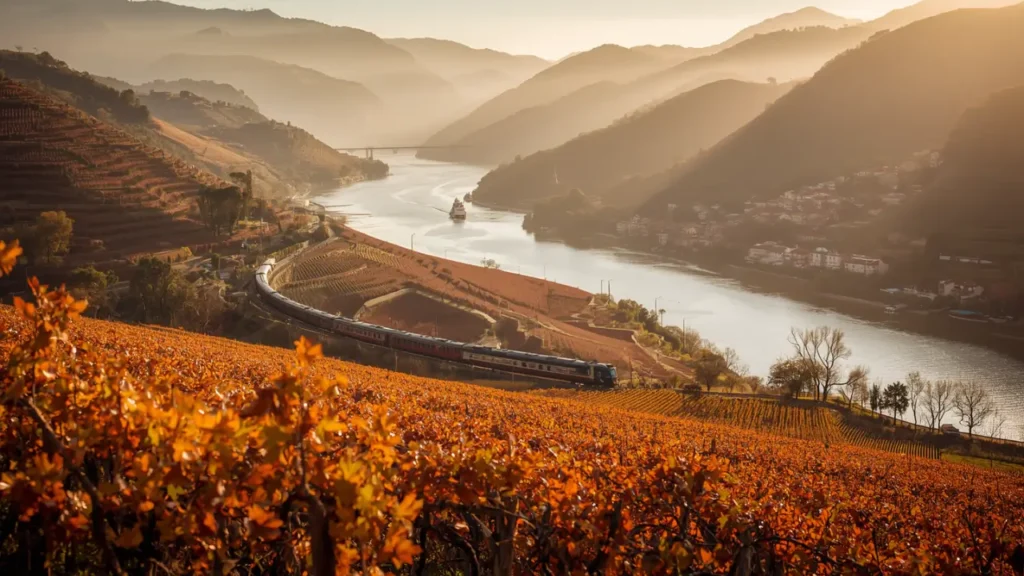
Porto combines tiled façades, river views, historic streets, bridges, churches, markets, and a strong food culture. The Douro Valley extends the journey into terraced vineyards and small towns shaped by the river.
Early fall can overlap with grape harvest activity in parts of the valley, while later weeks bring changing vineyard colors. The exact experience varies by year and location, so travelers interested in a harvest visit should contact wineries or tour operators directly rather than assume every estate offers the same access.
In Porto, explore beyond the riverfront and be realistic about the hills. In the Douro, a train journey, guided excursion, or overnight stay each offers a different perspective.
Best for
Wine landscapes, river scenery, food, architecture, rail journeys, and travelers who enjoy combining a city with the countryside.
What to consider
Porto’s steep paving can be tiring or slippery. Select accommodation carefully and use transportation when needed. A night in the Douro creates a calmer experience than a rushed day trip.
How Do You Choose the Right Fall Destination?
The best destination is not necessarily the one with the longest list of attractions. It is the one that matches the trip you want now.
Ask yourself:
- Do I prefer a city, countryside, coast, or mountains?
- How much rain and temperature variation am I willing to accept?
- Do I want to drive?
- How important is easy public transportation?
- Do I want museums and indoor options?
- How much walking, climbing, or uneven pavement feels realistic?
- Do I want food and culture, or is landscape the priority?
- Would I rather stay in one base or move several times?
- Do I feel energized by a full itinerary or restored by a slower one?
Choose for your energy, not for someone else’s idea of an impressive trip.
What Should You Pack for Europe in the Fall?
Fall weather can change between countries, regions, elevations, and even different hours of the same day. Layers are more useful than one heavy outfit.
A practical packing list may include:
- a lightweight waterproof jacket;
- a warm mid-layer such as a cardigan, fleece, or thin sweater;
- breathable tops for warmer afternoons;
- comfortable water-resistant walking shoes;
- socks that dry reasonably quickly;
- a compact umbrella;
- a scarf for warmth and versatility;
- trousers that work for walking and casual dinners;
- one polished but comfortable outfit;
- a secure crossbody bag;
- medication and copies of prescriptions;
- a portable charger and appropriate plug adapter.
Check the forecast shortly before departure, but do not rely on a single weather app for an entire multi-country trip. Mountain areas require specialized preparation, and coastal wind can make mild temperatures feel much colder.
Pack shoes that have already been tested. A beautiful European itinerary becomes less enjoyable when every step hurts.
How Can You Avoid Replacing Summer Crowds With Fall Crowds?
Shoulder season is not a secret, and major autumn events can still fill a destination. To create a calmer trip:
- Travel in the middle of the week when possible.
- Visit famous attractions early or later in the day.
- Stay more than one night in each base.
- Explore residential neighborhoods and secondary sights.
- Check local event calendars before booking hotels.
- Reserve essential experiences without scheduling every hour.
- Use smaller cities or towns as part of the itinerary.
- Avoid changing destinations on the busiest weekend days.
- Accept that one meaningful experience can be enough for a day.
Fewer crowds do not come only from the calendar. They also come from how you travel.
Is Fall a Good Season for a Solo Trip?
It can be. Cooler weather may make walking more comfortable, and a quieter atmosphere can feel less overwhelming. However, shorter daylight hours and reduced seasonal schedules require attention.
If traveling alone:
- plan arrival before dark when possible;
- choose accommodation near reliable transportation;
- verify the last train, bus, or ferry of the day;
- keep offline copies of reservations and maps;
- share your basic itinerary with someone you trust;
- avoid remote walks when conditions are poor;
- keep backup plans for weather changes.
For a complete safety framework, read Solo Female Travel Tips: 10 Smart Ways to Feel Safer.
A solo journey does not need to prove bravery. It should give you enough preparation to enjoy your independence.
What Should You Confirm Before Booking?
Fall requires a little more verification than peak summer because schedules can change.
Before finalizing the trip, confirm:
- attraction opening days and seasonal hours;
- cable car and mountain lift schedules;
- ferry, train, and regional bus timetables;
- daylight hours during your dates;
- local holidays and major events;
- whether restaurants in rural areas close on certain days;
- travel insurance coverage and exclusions;
- cancellation terms for weather-dependent activities;
- accessibility of hotels, stations, and planned attractions;
- road requirements if renting a car.
Use official tourism, transportation, attraction, and government websites for final decisions. Blog posts and social media can provide inspiration, but operating schedules and entry requirements should always be verified at the source.
A Different Way to Experience Europe
Europe in the fall is not simply summer with a jacket. It has a different mood, pace, and set of possibilities.
The season asks for flexibility. A rainy morning may change your plan. A mountain lift may be closed. A warm afternoon may invite you to stay outside longer than expected. A quiet restaurant, a market ingredient, or a street turning gold may become more memorable than the attraction you originally planned to see.
That is the advantage of traveling with fewer demands.
You can choose Umbria for food and hill towns, Vienna for culture and comfort, Copenhagen for design and daily life, San Sebastián for coastal flavor, the Dolomites for scale and silence, Ireland’s Midlands for story and atmosphere, Paris for art and neighborhoods, Slovenia for gentle contrasts, or Porto and the Douro for river landscapes.
You do not need to see all nine.
Choose the place that fits your energy. Stay long enough to notice it. Leave room for weather, rest, conversation, and surprise.
The best fall journey may not be the one with the most photographs or the longest itinerary. It may be the one that finally gives you enough space to feel where you are.
If this trip follows a major personal transition, The First Trip After a Life Change can help you choose an experience that matches the season of life you are entering.
FREQUENTLY ASKED QUESTIONS
What is the best month to visit Europe in the fall?
September usually offers warmer weather and longer days, while October brings a stronger autumn atmosphere and changing foliage in many regions. November is quieter but cooler, darker, and more likely to have reduced seasonal services. The best month depends on the destination and the experience you want.
Is Europe cheaper in the fall?
Some flights and hotels may cost less than during the summer peak, but savings are not guaranteed. Major cities, festivals, conferences, and popular fall weekends can remain expensive. Compare the total trip cost rather than assuming every shoulder-season date is a bargain.
Where is warm in Europe during the fall?
Southern destinations such as Portugal, southern Spain, parts of Italy, Greece, Malta, and Cyprus generally remain warmer longer than northern and mountain regions. Conditions vary by month and year, so check regional forecasts close to departure.
What should I wear in Europe in autumn?
Pack layers, a lightweight waterproof jacket, comfortable water-resistant shoes, a warm mid-layer, a scarf, and clothing that can adapt to warmer afternoons and cooler evenings. Mountain destinations require more specialized preparation.
Is October a crowded month in Europe?
October is often calmer than July and August, but famous cities and seasonal events can still attract many visitors. Check local calendars, reserve essential attractions, and include less-visited neighborhoods or nearby towns in the itinerary.
Is fall a good time for women over 50 to visit Europe?
Yes. Cooler temperatures, cultural activities, seasonal food, and a slower itinerary can make fall especially enjoyable. Choose destinations that match your mobility, preferred pace, transportation needs, and tolerance for changing weather.

Gui Perine
Gui Perine is the creator of Your Life in Full Bloom, a lifestyle website for women who want to live with more intention, beauty, and freedom after 50.
Through thoughtful articles on home, travel, reinvention, and everyday choices, she explores what it means to build a fuller life in a new season — one that feels calmer, more personal, and more aligned with who you are becoming.
Her work is inspired by real-life transitions, the desire for independence, and the belief that life after 50 can be a time of clarity, possibility, and renewal.