Home after 50 should not feel like a house you are constantly fighting.
It should not drain all your energy, hide daily frustrations behind pretty décor, or make simple routines harder than they need to be.
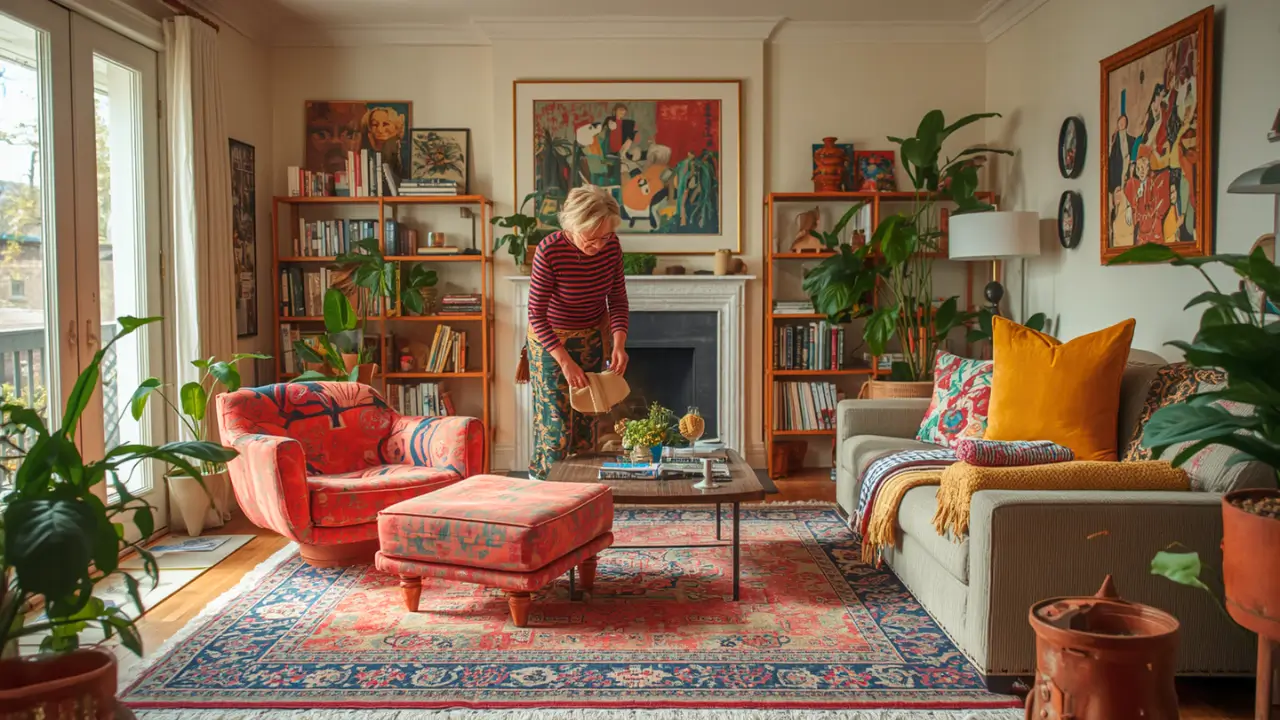
A home after 50 can be beautiful, colorful, personal, and full of life. But it also needs to support the person you are now, not only the version of you who chose the furniture, organized the closets, filled the kitchen, or decorated the rooms years ago.
At this stage, many women start looking at home differently.
You may still care about style, but comfort matters more.
You may still love beautiful objects, but clutter feels heavier.
You may still enjoy hosting, but you no longer want every gathering to exhaust you.
You may still want a polished home, but not at the cost of constant maintenance.
A good home after 50 is not about turning your space into something clinical, empty, or old-fashioned.
It is about making smart updates that help daily life feel easier.
The right changes can reduce friction, improve comfort, support safety, bring more joy into ordinary routines, and make the home feel aligned with your next chapter.
Here are 9 smart updates to consider.
Quick Answer: What Makes a Home Better After 50?
A better home after 50 is easier to move through, easier to maintain, comfortable to use every day, well lit, organized around real routines, and designed with both beauty and function in mind.
The most helpful updates often include:
- better lighting;
- easier storage;
- safer flooring;
- more comfortable seating;
- simplified kitchen systems;
- accessible everyday items;
- a more restful bedroom;
- outdoor or nature-connected spaces;
- fewer things that create daily stress.
The goal is not to make the home look perfect.
The goal is to make it feel better to live in.
1. Improve Lighting in the Places You Actually Use
Lighting is one of the most powerful updates for a home after 50.
It changes mood, safety, comfort, and the way every room feels. Poor lighting can make a home feel dull, tiring, or harder to use, especially in kitchens, bathrooms, stairways, closets, reading corners, and entryways.
Start by noticing where you squint, hesitate, or avoid tasks because the light is not good.
Common places that need better lighting include:
- kitchen counters;
- bathroom mirrors;
- hallways;
- closets;
- bedside tables;
- reading chairs;
- stairs;
- laundry areas;
- entryways;
- outdoor paths or balconies.
A beautiful home should not depend only on overhead lighting. Layered lighting usually feels warmer and more practical.
Think about:
- table lamps;
- floor lamps;
- under-cabinet lighting;
- wall sconces;
- motion-sensor lights;
- night lights;
- dimmable bulbs;
- warm but clear light near seating areas.
Better lighting is not only about seeing more clearly.
It also makes the home feel more alive. A bright breakfast corner, a warm lamp by a chair, or soft evening lighting in the living room can change the emotional rhythm of the day.
This is one of the easiest ways to make a home feel refreshed without changing everything.

2. Make Daily Items Easier to Reach
A home becomes more tiring when everyday items are stored in inconvenient places.
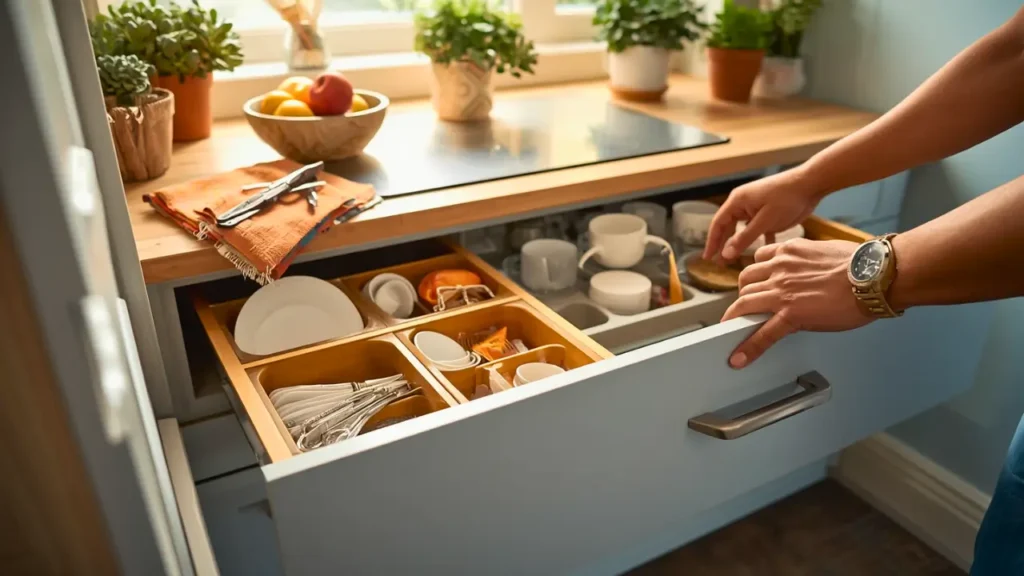
If you constantly need to bend, climb, stretch, move heavy objects, search through crowded cabinets, or open three drawers to find one thing, the house is asking too much from you.
After 50, convenience is not laziness.
It is intelligent design.
Look at the items you use every day:
- coffee supplies;
- plates and bowls;
- medications or supplements;
- skincare;
- cleaning products;
- shoes;
- bags;
- keys;
- chargers;
- glasses;
- cooking tools;
- laundry items.
Are they easy to reach?
The most-used items should live in the easiest places. Reserve high shelves, deep cabinets, and hard-to-reach corners for things you use less often.
This one change can make the house feel smoother almost immediately.
A practical home respects repetition. It understands that the same actions happen every day, and it supports them instead of making them harder.
Small updates can help:
- pull-out organizers;
- drawer dividers;
- labeled baskets;
- open trays;
- lower shelves;
- lazy Susans;
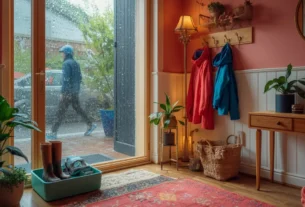
- hooks near the door;
- clear storage bins;
- a daily essentials drawer.
The question is simple:
Does this object live where I naturally need it?
If not, move it.
3. Create Seating That Supports Real Comfort
Many homes have seating that looks nice but does not actually support the body well.
A sofa may be too low.
A chair may be beautiful but uncomfortable.
A dining chair may make long conversations tiring.
A reading corner may look charming but lack good light or proper support.
Home after 50 should include places where you can sit comfortably and feel supported.
This does not mean buying medical-looking furniture. It means choosing pieces with better proportions, stronger support, and real use in mind.
Look at your current seating and ask:
- Is it easy to sit down and get up?
- Does it support my back?
- Is the height comfortable?
- Can I read there?
- Can I have coffee there?
- Can I talk with someone there?
- Does the room invite people to stay?
- Is the seating arranged for conversation or only for television?
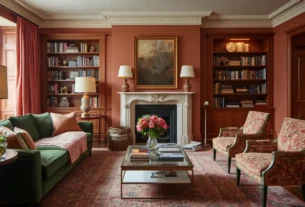
A comfortable chair with color, texture, and personality can become one of the most loved places in the house.
You can update seating with:
- firmer cushions;
- better chair height;
- supportive pillows;
- a side table within reach;
- a lamp nearby;
- a footrest;
- washable slipcovers;
- a more thoughtful furniture layout.
Comfort should not look boring.
A bold armchair, a colorful cushion, a patterned ottoman, or a bright throw can make the space feel both functional and alive.
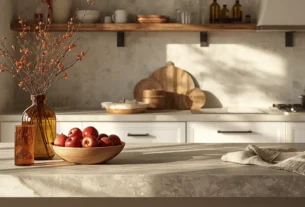
4. Make the Kitchen Work With Less Effort
The kitchen is often one of the hardest-working rooms in the home.
It can also become one of the most exhausting.
A kitchen after 50 should not require unnecessary effort every time you cook, clean, make coffee, prepare breakfast, or put groceries away.
Start by observing movement.
Where do you stand most often?
What do you reach for every day?
Which cabinet is always frustrating?
What appliance is too heavy to move?
Where does clutter gather?
What takes too long?
Then adjust the kitchen around real habits.
Helpful updates include:
- keeping daily dishes at a comfortable height;
- storing heavy pots lower, not higher;
- using drawer organizers for utensils;
- creating a coffee or tea station;
- placing cutting boards near prep areas;
- keeping cleaning supplies close to the sink;
- using clear containers for pantry items;
- reducing duplicate tools;
- improving under-cabinet lighting;
- adding a washable runner or anti-fatigue mat.
A more functional kitchen can still be beautiful.
Use color in dish towels, bowls, fruit, flowers, rugs, art, or small appliances. The goal is not to remove life from the kitchen. The goal is to reduce friction.
A kitchen that works well makes daily life feel lighter.
5. Reduce Floor Hazards Without Losing Style
Safety at home does not need to look unattractive.
Many people avoid talking about safer home choices because they imagine a space that feels clinical or old. But small safety updates can be elegant, discreet, and deeply practical.
Start with the floor.
Look for:
- loose rugs;
- curled rug edges;
- slippery mats;
- crowded walkways;
- cords across paths;
- unstable small tables;
- low objects near walking areas;
- poor lighting near steps;
- wet bathroom floors.
You do not need to remove every rug or decoration. You need to make sure the home is easy and safe to move through.
Better choices can include:
- rug pads;
- low-profile rugs;
- washable rugs with secure backing;
- cord organizers;
- non-slip bath mats;
- better hallway lighting;
- clear paths around furniture;
- sturdy side tables;
- fewer objects on the floor.
This is especially important if grandchildren visit, if pets live in the home, or if the house has stairs, balconies, outdoor areas, or wet floors.
Safety is not the opposite of beauty.
A well-designed home can be both graceful and practical.
6. Build a Bedroom That Helps You Recover
A bedroom after 50 deserves more attention.
Sleep can become more sensitive with age, stress, hormones, temperature, noise, light, and daily responsibilities. Even when sleep is not perfect, the bedroom can either support recovery or make it harder.
A better bedroom does not need to be expensive.
It needs to feel restful, breathable, and easy to use.
Consider:
- comfortable bedding;
- good pillows;
- blackout curtains or softer window treatments;
- a bedside lamp;
- a clear nightstand;
- charging cords organized;
- water within reach;
- fewer visual distractions;
- a laundry solution that prevents piles;
- breathable fabrics;
- temperature-friendly layers;
- a chair or bench that does not become a clothes mountain.
The bedroom should not feel like storage.
It should not be the place where unfinished tasks, old boxes, random papers, and clothes without decisions go to hide.
Add life without adding chaos.
A colorful quilt, fresh flowers, a beautiful lamp, framed art, or a textured rug can make the room feel personal and warm.
A restful bedroom is not boring.
It is generous.
It gives your body permission to stop carrying the day.
7. Make the Bathroom Easier and Brighter
The bathroom is another space where small updates matter.
It is used every day, often when you are tired, rushed, sleepy, or getting ready to leave the house. A bathroom that is dark, slippery, cluttered, or poorly organized can make daily routines unnecessarily stressful.
Focus on three things:
Light, safety, and access.
Improve lighting around the mirror. Keep daily skincare and hygiene products easy to reach. Remove products you no longer use. Choose a non-slip bath mat. Keep towels accessible. Make sure the floor dries properly. Check ventilation to reduce moisture and mildew.
You can also make the bathroom feel more beautiful with:
- colorful towels;
- a small plant;
- a cheerful bath mat;
- attractive containers;
- a bright tray;
- wall art;
- a fresh scent;
- a better mirror;
- warm lighting.
A bathroom does not need to be large to feel good.
It needs to work.
The best bathroom updates are often simple: remove what is expired, organize what remains, improve the light, and make the room easier to clean.
That alone can change the start and end of the day.
8. Give Yourself One Creative or Joyful Corner
A home after 50 should not be designed only around chores.
It should also make room for joy.
Many women spend years making the home work for everyone else: children, partners, guests, family routines, holidays, meals, laundry, schedules, and responsibilities.
But a new season of life deserves at least one space that belongs to your curiosity.
It could be:
- a reading chair;
- a painting corner;
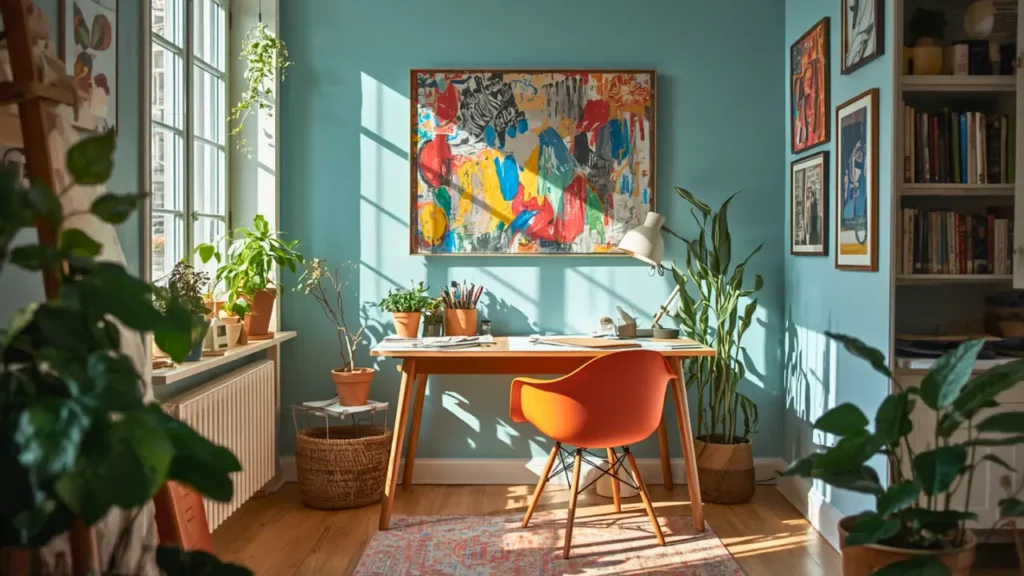
- a small desk;
- a plant table;
- a sewing area;
- a music corner;
- a balcony garden;
- a writing space;
- a place for puzzles or games;
- a beautiful coffee corner;
- a craft shelf.
This space does not have to be large.
It only needs to say: “There is room for me here.”
Use color. Use texture. Use objects that feel personal. Use the hobby you keep postponing. Use the side of yourself that wants to create, learn, play, or simply enjoy.
A joyful corner helps the home become more than a place of maintenance.
It becomes a place of renewal.
9. Design for the Life You Want More Often
The best home updates are not only about furniture or organization.
They are about intention.
Ask yourself:
What do I want more of in this stage of life?
More rest?
More beauty?
More movement?
More friends at the table?
More time outside?
More creativity?
More independence?
More order?
More simplicity?
More travel?
More quiet mornings?
Then look at your home and ask whether the space supports that.
If you want to host more, maybe you need an easier dining setup.
If you want to read more, maybe you need a better chair and lamp.
If you want to cook less stressfully, maybe the kitchen needs a reset.
If you want more movement, maybe you need open floor space or a place for exercise.
If you want more peace, maybe the bedroom needs fewer unfinished tasks.
If you want to travel more, maybe your home needs systems that make leaving and returning easier.
A home after 50 should not only preserve the past.
It should support the future.
That does not mean removing memories. It means choosing which memories still belong in the rooms where you are trying to live now.
Your home should help you become more of who you are becoming.
Helpful Items for an Easier Home After 50
A more comfortable home does not require buying everything new. Many improvements come from editing, rearranging, simplifying, and paying better attention to daily habits.
Still, a few practical items can help:
Warm lamps and task lighting
Useful for reading, cooking, bathroom routines, hallways, and evening comfort.
Drawer and cabinet organizers
Helpful for making daily items easier to reach and reducing frustration.
Low-profile washable rugs
A good choice for adding color, comfort, and practicality while keeping movement easier.
Supportive cushions and footrests
Can make favorite chairs and sofas more comfortable.
Cord organizers
Simple but useful for reducing visual clutter and floor hazards.
Non-slip bath mats
Helpful for making bathrooms safer without sacrificing style.
Beautiful trays and baskets
Useful for grouping daily essentials in a way that feels intentional.
Shop smart home updates for easier living on Amazon
As an Amazon Associate, Your Life in Full Bloom may earn from qualifying purchases, at no additional cost to you.
Simple Home After 50 Checklist
Use this checklist to choose where to begin:
- improve lighting in one dark area;
- move daily items to easier places;
- clear one high-friction surface;
- secure or replace a slippery rug;
- organize cords;
- create a better bedside setup;
- simplify one kitchen cabinet;
- add one comfortable seating upgrade;
- refresh bathroom storage;
- create one joyful corner;
- remove one item that no longer supports your life.
Do not try to update the entire home at once.
Choose the area that affects your daily life the most.
One smart change can make the home feel more supportive very quickly.
To Make Home Feel Like Support
Home after 50 is not about giving up style.
It is about making style work harder for your real life.
A beautiful room matters.
A colorful detail matters.
A good chair matters.
A clear path matters.
A lamp beside the place where you read matters.
A kitchen cabinet that does not frustrate you matters.
A bathroom that feels bright and safe matters.
A bedroom that helps you rest matters.
These are not small things.
They are the daily architecture of your life.
When your home becomes easier to live in, you gain energy back. You reduce invisible stress. You create more space for beauty, movement, connection, rest, and the next version of yourself.
A home after 50 should not ask you to constantly adapt to it.
It should adapt more honestly to you.

Gui Perine
Gui Perine is the creator of Your Life in Full Bloom, a lifestyle website for women who want to live with more intention, beauty, and freedom after 50.
Through thoughtful articles on home, travel, reinvention, and everyday choices, she explores what it means to build a fuller life in a new season — one that feels calmer, more personal, and more aligned with who you are becoming.
Her work is inspired by real-life transitions, the desire for independence, and the belief that life after 50 can be a time of clarity, possibility, and renewal.