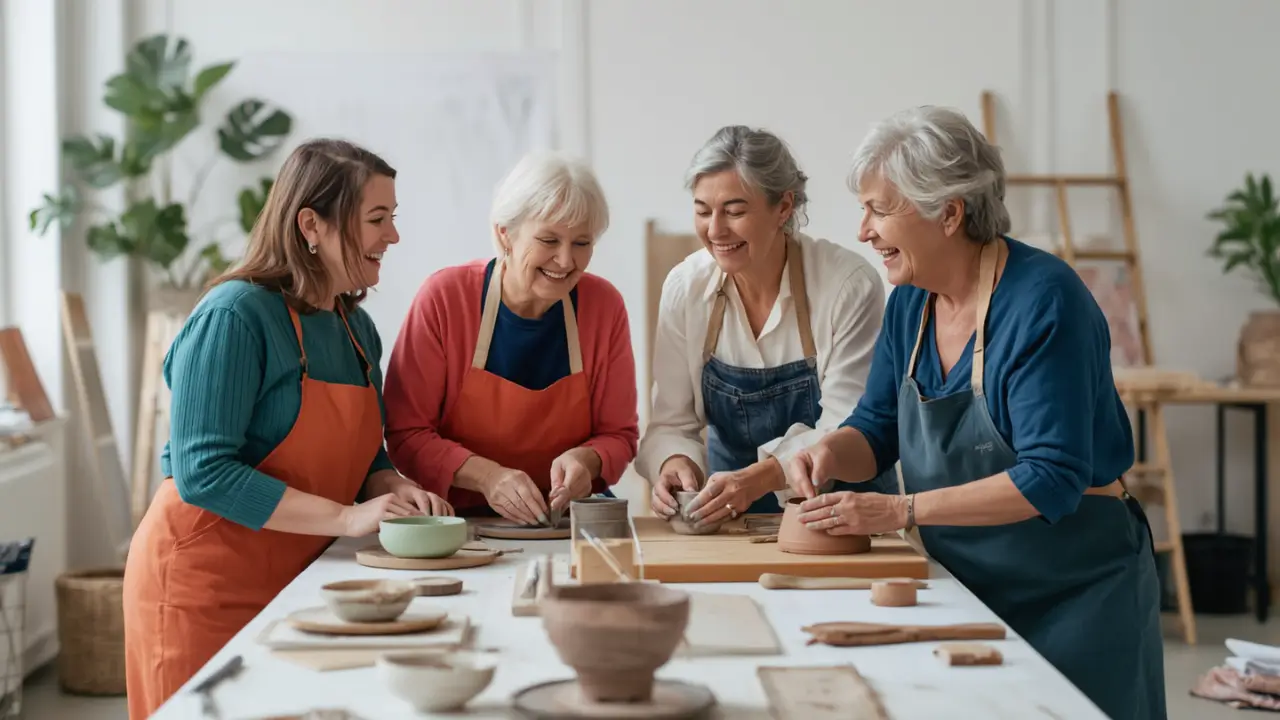
Learning how to make friends after 50 can feel strangely unfamiliar. You may be experienced in work, family, travel, relationships, and difficult decisions, yet still feel uncertain about how to turn a pleasant conversation into a real friendship.
Earlier in life, friendships often developed through built-in routines. You went to school with the same people, worked beside them every day, raised children at the same time, or lived near relatives and neighbors whose lives overlapped with yours.
After 50, those automatic opportunities may become less frequent. Children grow up. Careers change. People retire, move, divorce, lose partners, care for aging parents, or simply develop different interests. Some long friendships remain strong. Others become occasional, distant, or connected more to the past than to the life you live now.
None of this means you have failed socially. It means friendship now requires more intention.
The practical challenge is not only meeting people. It is seeing the same people often enough for familiarity to grow, taking small social risks, and following up when a connection feels promising.
The following ten strategies can help you build a social life that suits who you are today.
Why Does Making Friends After 50 Feel More Difficult?
Adult friendship has fewer automatic structures. Most people are not surrounded by a large group of peers every day, and their schedules may include work, family responsibilities, health appointments, travel, or caregiving.
There can also be emotional obstacles:
- assuming everyone already has enough friends;
- worrying that an invitation will seem needy;
- comparing a new connection with a decades-long friendship;
- expecting immediate intimacy;
- feeling self-conscious about entering a group alone;
- waiting for someone else to make the first move;
- staying attached to friendships that no longer feel reciprocal;
- believing it is too late to build a new social circle.
New friendship is rarely created through one impressive moment. It usually develops through repeated ordinary contact.
Two people attend the same class. They begin greeting each other. One conversation becomes several. Someone suggests coffee after class. They exchange messages. A small routine begins.
This process is simple, but it does not happen without participation.
1. Can You Accept That Friendship Changes After 50?
The first step is to stop measuring your current social life against an earlier version of it.
At 25, friendship may have meant spontaneous evenings, constant messages, shared workplaces, or weekends filled with group plans. After 50, a good friendship may look different. It may include a monthly lunch, a regular walk, a travel companion, a person from a class, a neighbor who checks in, or someone who shares one important interest.
Not every friend needs to meet every emotional and social need.
You can have:
- a friend for cultural events;
- a friend who enjoys exercise;
- a neighbor for practical companionship;
- a long-distance friend with shared history;
- a newer friend who understands your current chapter;
- a group connected to volunteering, books, language, crafts, faith, or travel.
This is not a lesser form of friendship. It is a more realistic and flexible social network.
Letting go of the idea that one best friend must provide everything makes room for different kinds of meaningful connection.
2. Which Activities Would You Enjoy Even Without Making a Friend?
Choose activities you would genuinely enjoy even if friendship did not develop immediately. This protects you from treating every social event as a test.
Good options include:
- a language course;
- dance or exercise classes;
- a book club;
- gardening groups;
- museum programs;
- photography walks;
- cooking workshops;
- choirs or music groups;
- craft or art classes;
- local history groups;
- walking clubs;
- community education;
- travel meetups;
- volunteering.
Shared activity reduces pressure because conversation already has a subject. You do not need to invent a reason to speak. You can ask about the class, the instructor, the route, the book, the project, or the event.
Choose recurring activities rather than isolated events whenever possible. A single workshop can be enjoyable, but a six-week class gives people time to recognize one another and move beyond introductory conversation.
The activity is the starting point. Repetition creates the opportunity.
3. Why Should You Become a Regular Somewhere?
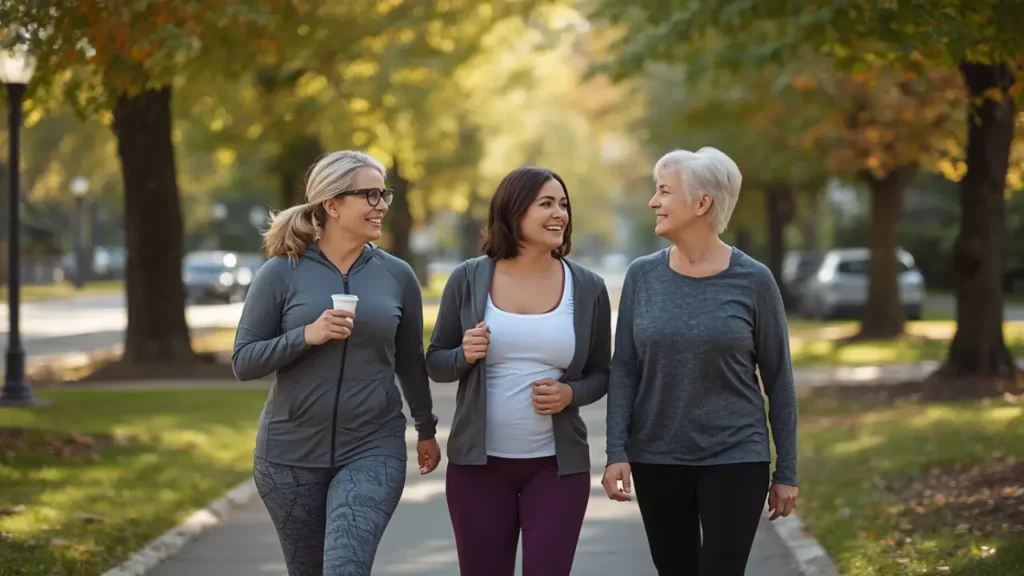
Familiarity matters. It is easier to begin a conversation with someone you have seen five times than with a complete stranger.
Become a regular in one or two places that fit your real routine. This might be:
- the same exercise class every week;
- a neighborhood walking group;
- a library event series;
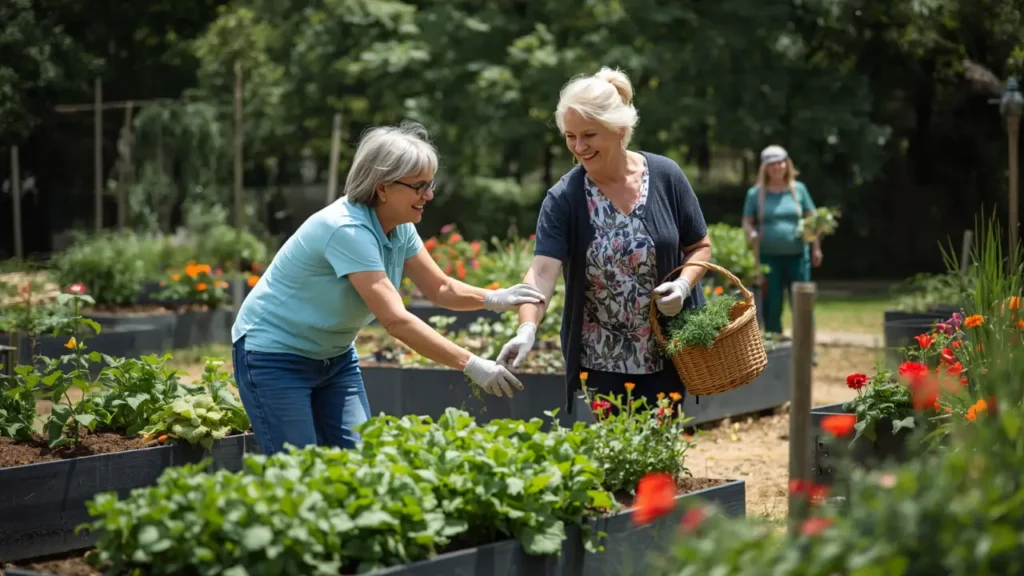
- a community garden;
- a weekly market;
- a volunteer shift;
- a religious or spiritual community;
- a local cultural association;
- a recurring online group that also holds safe public events.
Consistency helps other people know when they will see you again. It also removes the pressure to create a friendship during the first conversation.
Arrive a few minutes early instead of entering at the last moment. Stay briefly afterward when appropriate. Put your phone away. Learn names and use them the next time you meet.
Small recognition creates social momentum:
“Hi, Anna. How did your project turn out?”
“Good to see you again. Are you coming next week?”
“You mentioned that restaurant last time. I tried it.”
Remembering one detail communicates interest without forcing intimacy.
4. Should You Reconnect With Someone From Your Past?
Creating a new social life does not always require meeting entirely new people. Someone from your past may also be looking for connection.
Think about former coworkers, neighbors, classmates, relatives, parents you once knew through your children, or friends who became distant because life became busy rather than because anything went wrong.
Send a simple message:
“I thought of you today and realized it has been a long time. How are you?”
“I saw something that reminded me of our old work days. Would you like to have coffee sometime?”
“We lost touch, but I always enjoyed talking with you. If you are open to it, I would love to catch up.”
Do not write a long explanation or apologize excessively. Give the other person room to respond.
Some reconnections will feel natural. Others will reveal that your lives have moved in different directions. Either result is useful. The goal is not to recreate the past exactly. It is to see whether there is a place for each other in the present.
5. How Can You Take the Initiative Without Feeling Awkward?
Many adults want more friendship but wait to be invited. If everyone waits, nothing changes.
Taking initiative does not require an elaborate plan. Make a small, specific invitation linked to a conversation you already had.
Instead of saying:
“We should get together sometime.”
Try:
“Would you like to have coffee after class next Thursday?”
“I am going to the Saturday exhibit. Would you like to join me?”
“You mentioned wanting to walk more. Would Tuesday morning work for a short walk?”
“I enjoyed our conversation. Would you like to exchange numbers?”
Specific invitations are easier to answer because they include an activity and a possible time.
If the person is unavailable but interested, she may suggest another date. If she repeatedly gives vague answers without offering an alternative, accept the information gracefully and invest your energy elsewhere.
Initiative is not chasing. It is opening a door once or twice and noticing whether the other person also participates.
6. How Do Casual Conversations Become Real Invitations?
Most new friendships begin with light conversation. The skill is noticing a detail that can lead naturally to another interaction.
If someone says she enjoys movies, ask what she has seen recently. If she mentions gardening, ask whether she knows a local garden center. If she is learning a language, ask whether she would like to practice before class.
Useful conversation starters include:
- “How did you hear about this group?”
- “Have you taken a class here before?”
- “What did you think of today’s session?”
- “Do you know any other events like this?”
- “What made you interested in this subject?”
- “Are you from this area?”
- “What do you enjoy doing when you have a free afternoon?”
Avoid turning the conversation into an interview. Share something about yourself as well. Friendship needs mutual exchange, not only questions.
When you discover a shared interest, make the next step small:
“There is another lecture here next month. Would you like me to send you the information?”
This creates a reason to exchange contact details without making the moment feel larger than it is.
7. Where Can You Meet People Through Contribution?
Volunteering can be especially useful because it combines repeated contact with a shared purpose. People work beside one another rather than standing in a room trying to socialize on command.
Consider organizations connected to:
- food distribution;
- literacy or libraries;
- animal welfare;
- museums and cultural events;
- community gardens;
- environmental projects;
- hospitals or care organizations;
- mentoring;
- religious communities;
- neighborhood associations;
- festivals and local events.
Choose a role that matches your physical ability, schedule, and interests. Ask whether the organization provides orientation and whether volunteers work together or mostly alone.
Contribution does not guarantee friendship, and that should not be the only reason to volunteer. But working toward a shared goal gives people repeated opportunities to observe one another’s reliability, humor, values, and communication style.
Those are stronger foundations than exchanging personal information too quickly.
8. Can Intergenerational Friendships Be Meaningful?
Friendship does not need to be limited to people of the same age.
A younger friend may bring a different cultural perspective, professional experience, or way of using technology. An older friend may bring knowledge, stories, and a different relationship with time. People close to your age may understand the same transitions without lengthy explanation.
Age matters less when values, interests, curiosity, and mutual respect are present.
Stay open to friendships formed through work, study, travel, volunteering, neighborhoods, or creative projects. Do not reject a promising connection because the person does not fit the image you had of your future social circle.
At the same time, avoid turning an intergenerational friendship into a permanent mentoring arrangement unless both people genuinely want that. Friendship should include reciprocity. Each person should have space to speak, contribute, ask for support, and be treated as an adult.
The most useful question is not “Is she my age?”
It is “Do we enjoy and respect each other?”
9. How Long Does a New Friendship Take to Develop?
New connections need time and repetition. One enjoyable lunch does not automatically create a close friendship, and that is not a problem.
Let the relationship develop in stages:
- Recognition and brief conversation.
- Repeated interaction in a shared setting.
- A small invitation outside that setting.
- Consistent but unforced contact.
- Gradual sharing of more personal experiences.
- Mutual support, reliability, and trust.
Do not compare a person you met last month with a friend you have known for 30 years. The newer relationship has not had time to accumulate shared history.
Also notice whether the connection is mutual. Does the other person sometimes initiate? Does she remember what matters to you? Does she respect your time and boundaries? Can you disagree without punishment? Do you feel more comfortable as the relationship develops?
Patience does not mean ignoring warning signs. It means allowing trust to be built through evidence.
10. When Should You Stop Investing in a One-Sided Friendship?
Making new friends after 50 is not only about adding people. It is also about using your time wisely.
A friendship may be unbalanced when:
- you always initiate contact;
- plans are repeatedly canceled without an attempt to reschedule;
- the person contacts you only when she needs something;
- conversations consistently center on one person;
- your boundaries are treated as inconveniences;
- you leave most interactions feeling diminished or drained;
- private information is not handled respectfully;
- competition replaces encouragement;
- you are expected to tolerate behavior that would be unacceptable elsewhere.
One busy month or canceled plan does not define a friendship. Look for patterns.
You do not need a dramatic confrontation every time a connection fails to grow. Sometimes the appropriate response is to reduce your effort, keep the relationship at a lighter level, and direct your attention toward people who also show up.
If setting boundaries feels difficult, Quiet Confidence: 10 Powerful Ways to Trust Yourself Again offers a practical framework for making choices without constant approval.
Friendship should not require you to abandon your self-respect in exchange for company.
What Is the Difference Between a Friend and a Social Acquaintance?
Not every pleasant connection needs to become a close friendship.
A social acquaintance may be someone you enjoy seeing at a class, event, gym, or volunteer activity. You exchange conversation and warmth, but you may not contact each other outside that setting.
A developing friend begins to appear in more than one context. You may exchange messages, make plans, share personal information gradually, and notice growing mutual interest.
A close friend usually includes greater trust, consistency, honesty, and support over time.
All three forms of connection have value.
Social acquaintances make everyday life friendlier. Activity friends help you participate in things you enjoy. Close friends provide deeper companionship. Problems arise when you dismiss lighter relationships as meaningless or expect immediate emotional depth from someone new.
A healthy social life can include several levels of connection.
How Can You Use Friendship Apps and Online Groups Safely?
Online communities can help you find local groups, travel companions, classes, and people with similar interests. They can be especially useful after moving to a new city or when your interests are not represented in your immediate circle.
Use the same judgment you would apply to online dating or any new contact:
- keep early conversations within the platform when possible;
- protect personal and financial information;
- meet for the first time in a public place;
- arrange your own transportation;
- tell someone where you are going;
- avoid lending money or making financial commitments;
- leave if the situation feels uncomfortable;
- verify group organizers and event details;
- do not assume a person is trustworthy because she appears friendly online.
The goal is not to be suspicious of everyone. It is to allow connection to develop without giving a stranger immediate access to your home, finances, or private life.
What Can You Say When You Feel Shy?
You do not need to become extremely outgoing. You need a few sentences you can use without overthinking.
Try:
“Hi, I am new to this group. How long have you been coming?”
“I almost did not come alone, but I am glad I did.”
“I liked what you said during the discussion.”
“Would you mind if I joined you?”
“I am trying to get to know more people in the area.”
“I enjoyed talking with you. Are you coming again next week?”
Being slightly nervous does not mean the conversation is going badly. The other person may feel exactly the same.
If you need a moment, ask a simple question and listen. You do not need to be entertaining. Attention, warmth, and genuine curiosity are enough to begin.
A Practical 30-Day Friendship Plan
Friendship cannot be completed as a project in 30 days, but you can create more opportunities for it to grow.
Week 1: Review Your Current Social Life
- Write down the people you already enjoy.
- Identify one person you would like to reconnect with.
- List three activities you would attend even alone.
- Notice where you regularly see the same people.
Week 2: Increase Contact
- Send one reconnection message.
- Register for one recurring class, group, or volunteer opportunity.
- Start two brief conversations during your normal routine.
- Learn and remember one person’s name.
Week 3: Make One Specific Invitation
- Invite someone for coffee, a walk, or an event.
- Suggest a clear day or time.
- Exchange contact details with someone from a recurring activity.
- Follow up once without overexplaining.
Week 4: Build Consistency
- Return to the same group or place.
- Confirm a second interaction if the first felt comfortable.
- Add one social activity to next month’s calendar.
- Review which connections felt mutual and natural.
The objective is not to collect contacts. It is to create repetition, practice initiative, and notice where interest is returned.

Building a Social Life That Fits Who You Are Now
Making friends after 50 is not about recreating school, becoming the most social person in the room, or filling every weekend.
It is about building enough connection that your life does not depend on one person, one relationship, or one old version of your social circle.
Begin with activities you value. Return often enough to become familiar. Ask simple questions. Remember names. Make one specific invitation. Give new relationships time, and pay attention to reciprocity.
Some attempts will not develop. Some people will be friendly but unavailable. Some groups will not feel right. That is normal. You are gathering information, not proving your worth.
A new friendship may begin in an ordinary way: two people leaving the same class, walking in the same direction, and one of them saying, “Would you like to have coffee?”
The important step is not waiting until connection appears by accident.
It is creating a life where connection has somewhere to happen.
If you are building more than a social circle and reconsidering the direction of your life, New Chapter in Life: 10 Powerful Ways to Begin Again can help you turn a vague desire for change into practical decisions.
FREQUENTLY ASKED QUESTIONS HOW TO MAKE FRIENDS AFTER 50
Is it normal to have fewer friends after 50?
Yes. Social circles often change because of relocation, retirement, family responsibilities, changing interests, loss, or reduced contact with former coworkers. Having fewer friends does not mean you cannot build new and meaningful connections.
Where can women over 50 meet new friends?
Recurring classes, volunteer organizations, walking groups, libraries, cultural associations, community gardens, book clubs, exercise programs, faith communities, and carefully selected online groups can create repeated opportunities to meet people.
How do I ask a new acquaintance to meet again?
Use a small, specific invitation connected to something you discussed. For example: “I enjoyed talking with you. Would you like to have coffee after next Thursday’s class?”
How long does it take to make a new friend?
There is no fixed timeline. Friendship usually develops through repeated contact, shared experiences, gradual personal disclosure, reliability, and mutual effort. Avoid comparing a new connection with a friendship built over decades.
What if I am shy or introverted?
Focus on recurring small groups and structured activities rather than large social events. Prepare two or three simple conversation starters, arrive early, and aim for one genuine conversation instead of trying to speak with everyone.
Should I use apps to make friends after 50?
Apps and online groups can be useful for discovering local events and people with shared interests. Protect personal information, verify event details, meet in public, arrange your own transportation, and allow trust to develop gradually.

Gui Perine
Gui Perine is the creator of Your Life in Full Bloom, a lifestyle website for women who want to live with more intention, beauty, and freedom after 50.
Through thoughtful articles on home, travel, reinvention, and everyday choices, she explores what it means to build a fuller life in a new season — one that feels calmer, more personal, and more aligned with who you are becoming.
Her work is inspired by real-life transitions, the desire for independence, and the belief that life after 50 can be a time of clarity, possibility, and renewal.