

A Gentle Reset Through Breath
When anxiety takes over, even the simplest tasks can feel overwhelming. But sometimes, the most powerful tool for relief is something we often overlook: the breath. Breathwork exercises to reduce anxiety are gaining popularity for a reason — they’re accessible, effective, and backed by science.
In this article, you’ll discover 5 simple breathwork techniques that can help you manage anxiety in minutes. Whether you’re new to mindfulness or looking to deepen your routine, these exercises can become a part of your daily ritual to support emotional resilience and mental clarity.
Why Breathwork Helps with Anxiety
Breath is the only bodily function that is both automatic and under our control. This dual nature makes it a unique bridge between the body and mind. When you’re anxious, your breathing becomes shallow and rapid — a physiological signal to your brain that you’re under threat.
Breathwork flips this signal.
By intentionally slowing and deepening your breath, you activate the parasympathetic nervous system — your body’s natural relaxation response. This shift can:
- Lower heart rate and blood pressure
- Calm racing thoughts
- Reduce muscle tension
- Improve focus and mental clarity
- Bring you back to the present moment
1. Box Breathing (Square Breathing)
Best for: Calming nerves quickly before a stressful event
Box breathing is a powerful tool used by Navy SEALs, athletes, and therapists alike. It’s structured, simple, and ideal for beginners.
How to do it:
- Inhale through your nose for 4 seconds
- Hold your breath for 4 seconds
- Exhale slowly through your mouth for 4 seconds
- Hold your breath for 4 seconds
Repeat for 4 to 6 rounds or until you feel your body settle.
Tip: Visualize a square while you breathe — trace each side with each breath phase.
2. 4-7-8 Breathing
Best for: Falling asleep or managing nighttime anxiety
Popularized by Dr. Andrew Weil, this technique is a natural sedative for the nervous system and helps regulate emotional responses.
How to do it:
- Inhale through your nose for 4 seconds
- Hold your breath for 7 seconds
- Exhale completely through your mouth for 8 seconds
Start with 4 rounds and increase gradually as you get comfortable.
Important: If holding your breath feels difficult, shorten the duration proportionally (e.g., 2-4-5) and build up over time.
3. Alternate Nostril Breathing (Nadi Shodhana)
Best for: Balancing emotions and improving focus
This yogic breathing practice harmonizes both hemispheres of the brain and is great for emotional regulation.
How to do it:
- Sit comfortably and use your thumb to close your right nostril
- Inhale through your left nostril
- Close your left nostril with your ring finger, release the thumb
- Exhale through the right nostril
- Inhale through the right nostril
- Close right nostril, release left
- Exhale through the left nostril
Repeat this cycle for 2 to 5 minutes.
Bonus: This is a great pre-meditation practice or afternoon reset.
4. Coherent Breathing
Best for: Ongoing anxiety management and heart-brain synchronization
Coherent breathing involves breathing at a rate of about 5 to 6 breaths per minute, which promotes cardiovascular balance and emotional calm.
How to do it:
- Inhale through your nose for 5 to 6 seconds
- Exhale through your nose for 5 to 6 seconds
Continue for 5 to 10 minutes. You can use apps like Breathwrk or Breathe+ to keep time.
Tip: Sync this exercise with soothing music or nature sounds to enhance the calming effect.
5. Deep Belly Breathing (Diaphragmatic Breathing)
Best for: Reconnecting with your body and grounding yourself
Many people with anxiety breathe from the chest. Diaphragmatic breathing retrains your body to breathe deeply, activating relaxation.
How to do it:
- Sit or lie down with one hand on your chest and one on your belly
- Inhale through your nose and feel your belly rise
- Exhale slowly through your mouth and feel your belly fall
Repeat for 3 to 5 minutes.
Optional: Place a light object (like a book) on your belly to deepen your awareness.
When and How Often to Practice Breathwork
You don’t have to wait for anxiety to strike to practice breathwork. In fact, the more consistent your practice, the more resilient your nervous system becomes.
Suggestions:
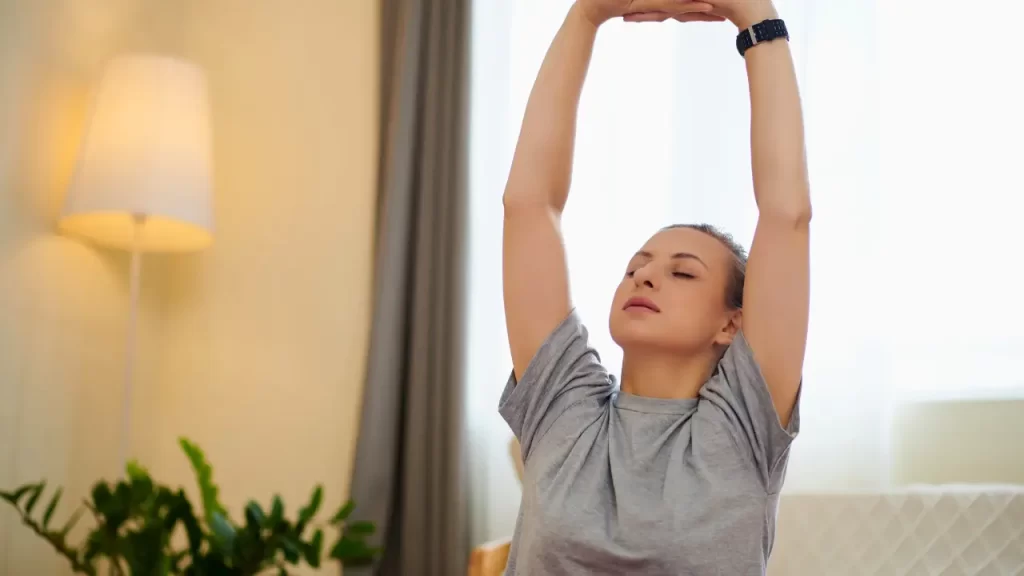
- Start or end your day with 5 minutes of breathwork
- Use breathwork during commutes, breaks, or before meetings
- Pair it with journaling, mindfulness, or gentle stretching
Even a few mindful breaths a day can create lasting change.
Real-Life Benefits: What Science Says
- A 2017 study published in Frontiers in Psychology found that slow breathing exercises significantly reduced symptoms of anxiety and depression.
- Research from the Harvard Medical School shows breathwork can regulate the vagus nerve, which is directly tied to emotional control.
- Breathwork is also used in trauma therapy to help people reconnect with safety in their bodies.
Quick Comparison Chart
| Breathwork Technique | Best For | Duration | Difficulty |
| Box Breathing | Stressful moments, quick calm | 2–5 min | Easy |
| 4-7-8 Breathing | Falling asleep, deep relaxation | 4–8 rounds | Moderate |
| Alternate Nostril Breathing | Balance, emotional control | 2–5 min | Moderate |
| Coherent Breathing | Daily practice, regulation | 5–10 min | Easy |
| Deep Belly Breathing | Grounding, body awareness | 3–5 min | Very Easy |
Final Thoughts: Your Breath is Your Anchor
Anxiety can feel like a storm, but your breath is a lifeline — always available, always free. By practicing these breathwork exercises to reduce anxiety, you’re not just reacting to stress — you’re actively building emotional resilience, clarity, and peace.

You don’t need fancy tools or hours of meditation. Just a few intentional breaths can shift your entire day.
🌿 Ready to Breathe New Life Into Your Routine?
If you found these techniques helpful, share this article with someone who could use a moment of calm today. And don’t forget to explore other wellness tips in our Wellness & Growth section.
- 7 Powerful Mindfulness Practices for a Calmer LifeDiscover
- 7 Steps to Daily Calm: Unlock Your Potential with Mindful Living
- 7 Powerful Japanese Walking Techniques for Vital Health
- 10 Powerful Benefits of Journaling for Daily Wellbeing
- 7 Simple Habits for a More Joyful Life

Gui Perine
Gui Perine is the creator of Your Life in Full Bloom, a lifestyle website for women who want to live with more intention, beauty, and freedom after 50.
Through thoughtful articles on home, travel, reinvention, and everyday choices, she explores what it means to build a fuller life in a new season — one that feels calmer, more personal, and more aligned with who you are becoming.
Her work is inspired by real-life transitions, the desire for independence, and the belief that life after 50 can be a time of clarity, possibility, and renewal.


5 thoughts on “5 Simple Breathwork Exercises to Reduce Anxiety”