

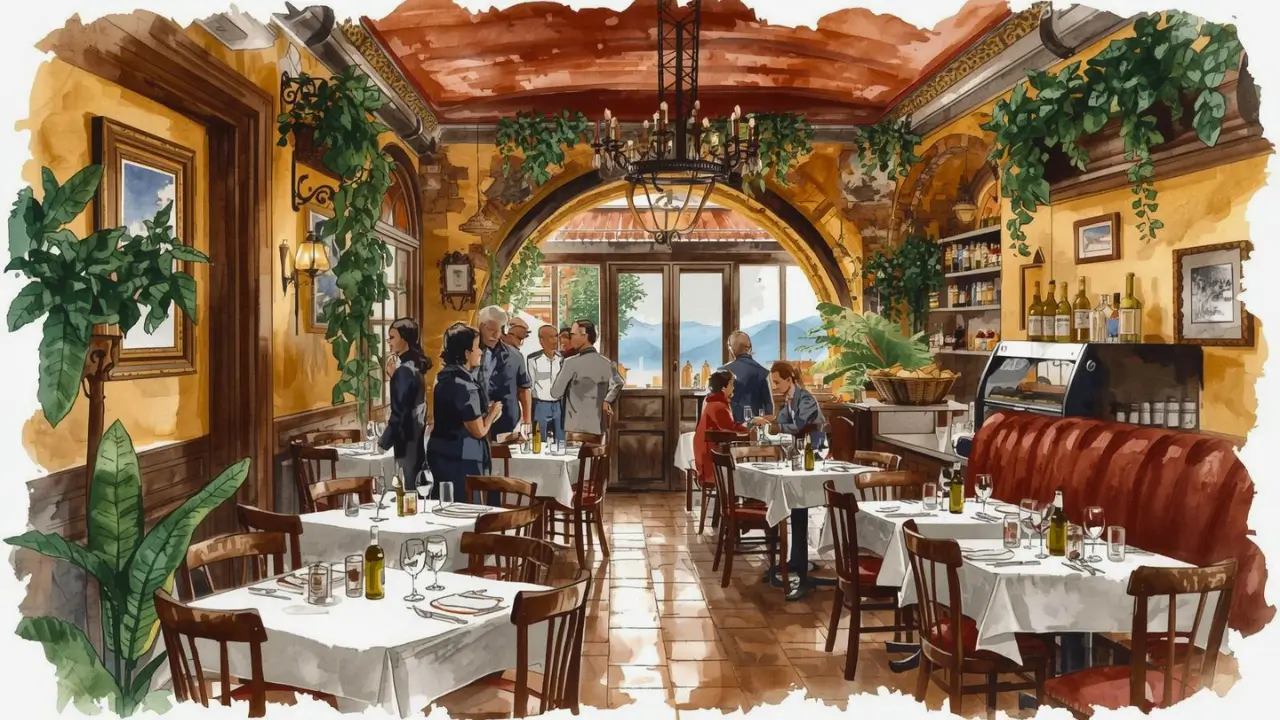
✨ Italian restaurant types: why this choice changes everything
When planning a trip to Italy, most travelers focus on landmarks, museums, and scenic views. But there is one experience that often defines the entire journey: food.
Understanding Italian restaurant types is not just about knowing where to eat. It is about how you experience the country itself.
The truth is simple. Choosing between a ristorante, a trattoria, or an osteria can completely change the atmosphere of your meal, the quality of your experience, and even your perception of Italian culture.
In Italy, dining is not rushed. It is lived.
And once you understand these differences, you stop being a tourist and start becoming a traveler.
🍽️ Ristorante: refined dining and elevated experiences
Among all Italian restaurant types, the ristorante represents the most refined and structured experience.
This is where technique, creativity, and presentation come together.
What defines a ristorante
- Elegant interiors and carefully designed spaces
- Professional and attentive service
- Complex menus with multiple courses
- Artistic presentation of dishes
- Premium ingredients and curated wine lists
Many high-end ristoranti are featured in the Michelin Guide, reinforcing their reputation for excellence.
What the experience feels like
Dining in a ristorante is immersive. Meals tend to last longer, allowing guests to enjoy each course slowly. There is a rhythm to the experience, from antipasti to dessert.
When to choose a ristorante
- Celebrations or special occasions
- Romantic dinners
- Travelers seeking a sophisticated culinary journey
💡 This is not just about eating. It is about experiencing food as art.
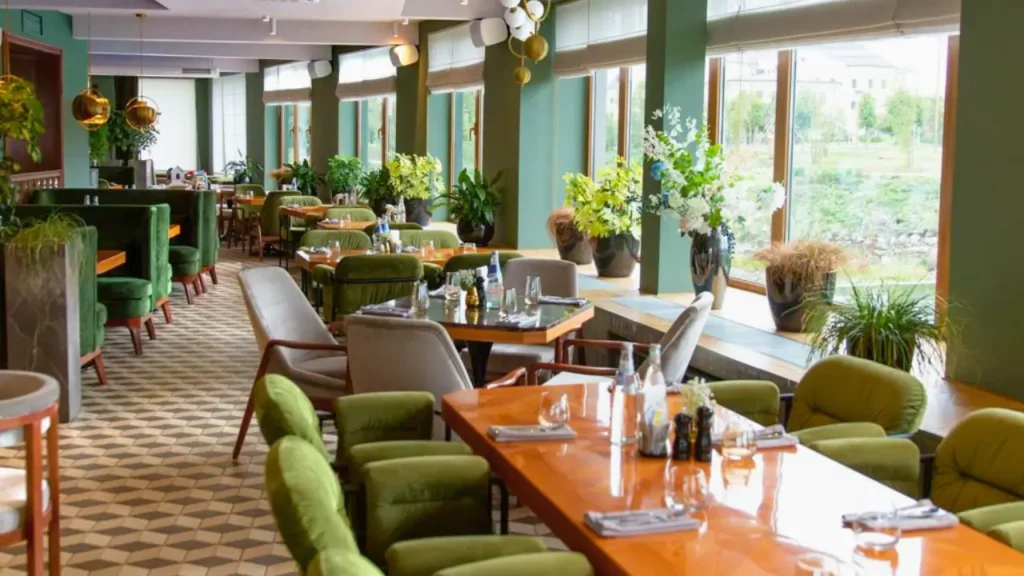
🍝 Trattoria: the soul of Italian home cooking
If you want to understand real Italian food, trattorias are where the story truly begins.
They reflect tradition, family, and regional identity.
What makes a trattoria unique
- Warm and welcoming atmosphere
- Often family-owned and operated
- Recipes passed down through generations
- Seasonal and regional menus
- Honest, comforting food
What you will notice immediately
Menus are usually shorter. Dishes are deeply connected to local ingredients and traditions. Nothing feels overproduced.
In many trattorias, the food tastes like it was made in someone’s home.
When to choose a trattoria
- When you want authenticity over luxury
- When you want to eat like a local
- When you value flavor and tradition
💡 A simple rule: the more local the place feels, the better the experience tends to be.
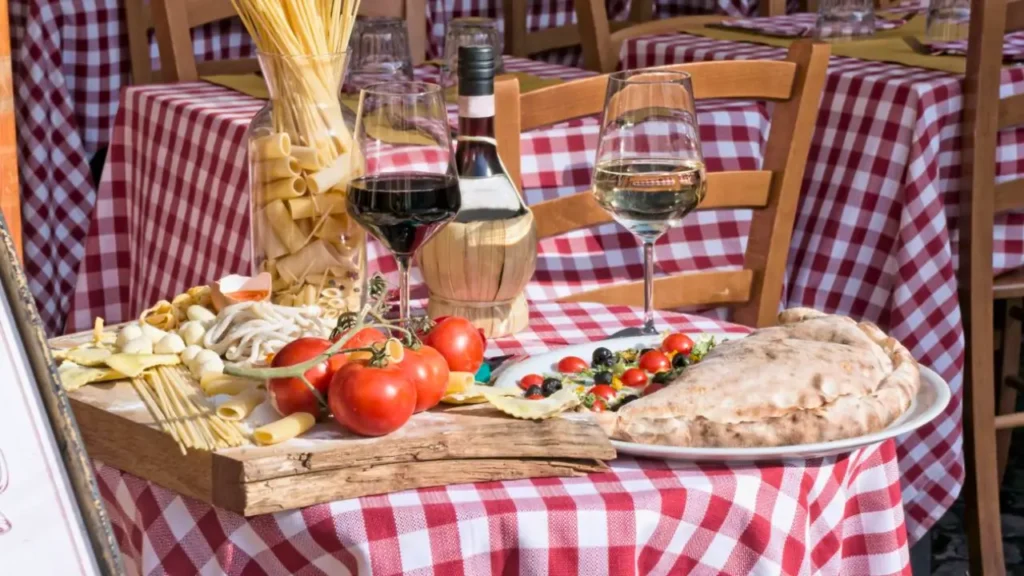
🍷 Osteria: simple, social, and deeply traditional
Originally, osterias were places where people gathered to drink wine and share simple food.
Over time, they evolved, but their essence remains.
The two faces of modern osterias
- Traditional osterias
- Very simple and local
- Focus on wine and a few dishes
- Contemporary osterias
- Small, charming, and curated
- Simple but high-quality cuisine
What defines the osteria experience
- Relaxed and informal setting
- Limited menu options
- Strong emphasis on wine
- Social and sometimes communal atmosphere
When to choose an osteria
- For a casual evening
- For wine lovers
- For spontaneous, authentic moments
💡 In some places, sharing tables is part of the experience.
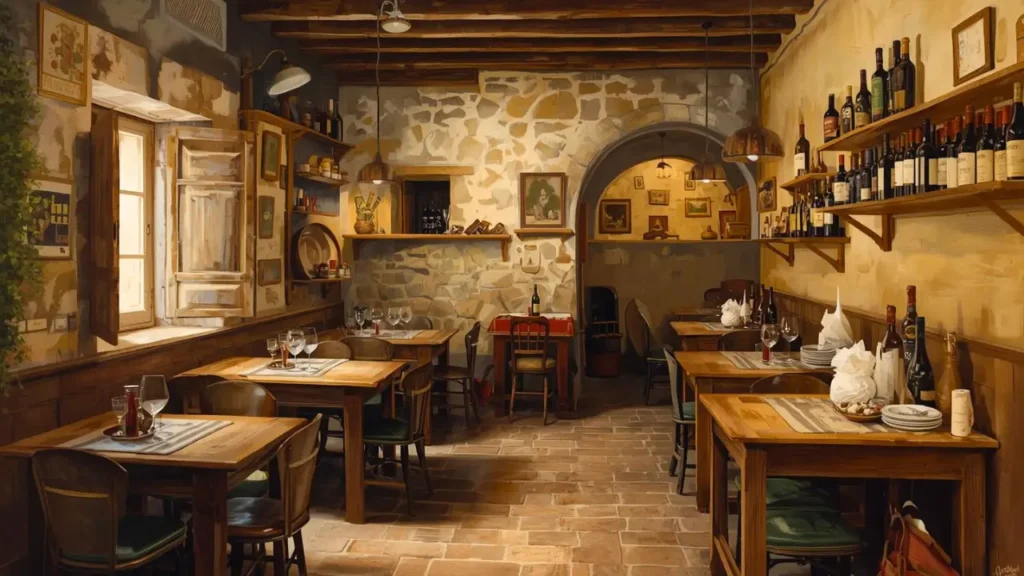
🇮🇹 Italian restaurant types: a simple comparison
To make things easier:
- Ristorante → refined, structured, and premium
- Trattoria → authentic, traditional, and comforting
- Osteria → simple, social, and relaxed
✨ How to choose the best option during your trip
Choosing between Italian restaurant types depends on the kind of experience you are looking for.
Choose a ristorante if you want
- A memorable and elegant dinner
- A curated gastronomic experience
Choose a trattoria if you want
- Real Italian flavors
- A deeper cultural connection
Choose an osteria if you want
- A light, relaxed meal
- A more spontaneous and local atmosphere
📍 Smart tips to avoid tourist traps
In cities like Rome, Florence, and Milan, not every restaurant delivers a genuine experience.
Here are practical tips:
- Avoid menus with too many languages and food photos
- Look for places filled with locals
- Walk a few streets away from main attractions
- Check if the menu focuses on regional dishes
💡 Authentic places rarely try too hard to attract tourists.
🍝 Why food in Italy is more than food
Italian dining culture is rooted in time, connection, and presence.
Meals are not rushed. Conversations matter. Flavors tell stories.
When you understand Italian restaurant types, you begin to see food as part of the journey, not just a stop along the way.
🌍 A small choice that transforms your entire trip
Many travelers visit Italy and leave without truly experiencing it.
They eat quickly, follow crowded routes, and miss the essence.
But when you choose where to eat with intention, something changes.
You slow down.
You connect.
You remember.
And suddenly, your trip feels different.
💬 Final reflection
If you could choose, would you prefer elegance, authenticity, or simplicity?
Each option offers a different version of Italy.
The question is not where to eat.
It is how you want to experience the country.
👉 Keep exploring
If you love discovering cultures through food, explore more articles and travel ideas.
Because sometimes, the most meaningful journeys happen around a table.

Gui Perine
Gui Perine is the creator of Your Life in Full Bloom, a lifestyle website for women who want to live with more intention, beauty, and freedom after 50.
Through thoughtful articles on home, travel, reinvention, and everyday choices, she explores what it means to build a fuller life in a new season — one that feels calmer, more personal, and more aligned with who you are becoming.
Her work is inspired by real-life transitions, the desire for independence, and the belief that life after 50 can be a time of clarity, possibility, and renewal.



1 thought on “3 Italian Restaurant Types That Will Transform Your Trip 🍝”