

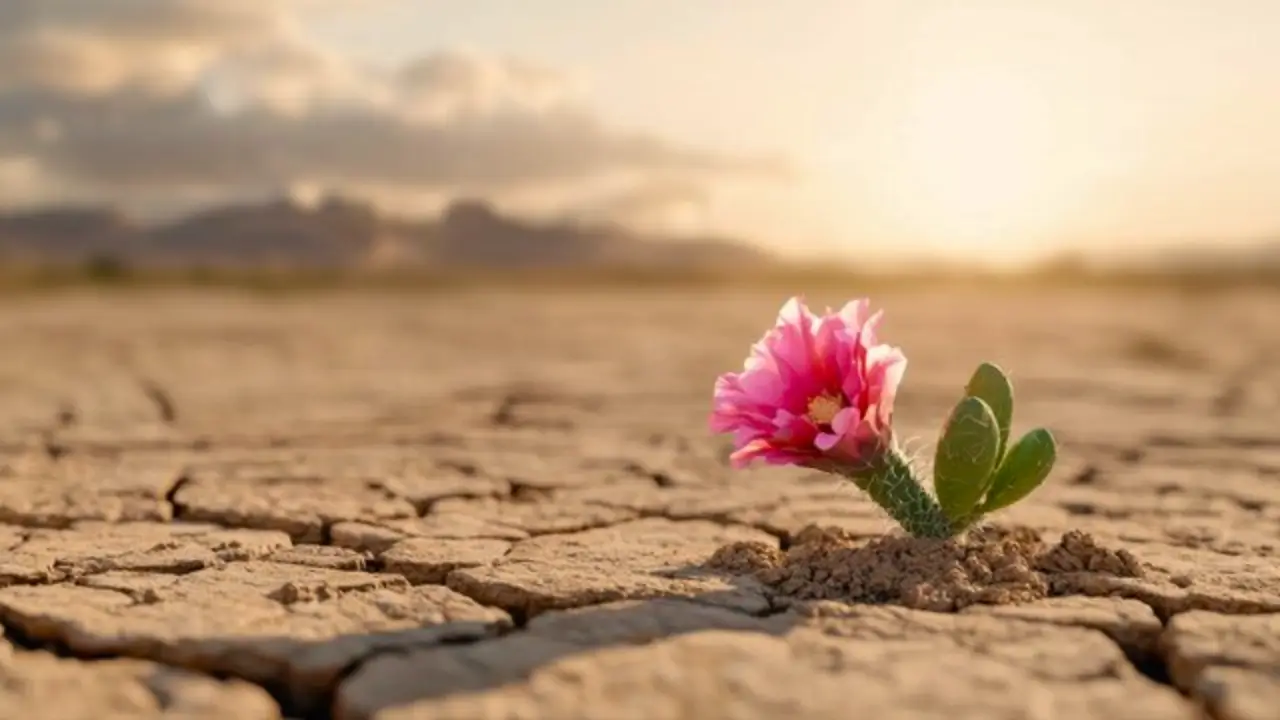
Resilience in the Midst of Disaster
Unbreakable strength is more than a phrase — it is the lived reality of Afghanistan’s earthquake survivors. In the midst of devastation, they show the world that resilience is not only about survival, but about rebuilding with courage, unity, and hope. Each act of solidarity, from sharing food to offering shelter, demonstrates that even in chaos, human beings can rise stronger.
Their stories reveal lessons that go beyond the borders of Afghanistan. They remind us that resilience is a universal skill we can nurture in our own lives, helping us to face challenges with balance and determination.
Why Resilience Matters in Extreme Situations
Resilience is often described as the human ability to adapt and recover from adversity. In extreme contexts such as earthquakes, it becomes a lifeline. Survivors do not deny their grief, but they learn to navigate it while rebuilding piece by piece.
In Afghanistan, resilience is not only an individual effort. Communities gather to provide shelter, share food, and console one another. Faith, traditions, and solidarity transform chaos into opportunities for collective growth. These lessons remind us that resilience can be cultivated in any environment, from natural disasters to everyday struggles.
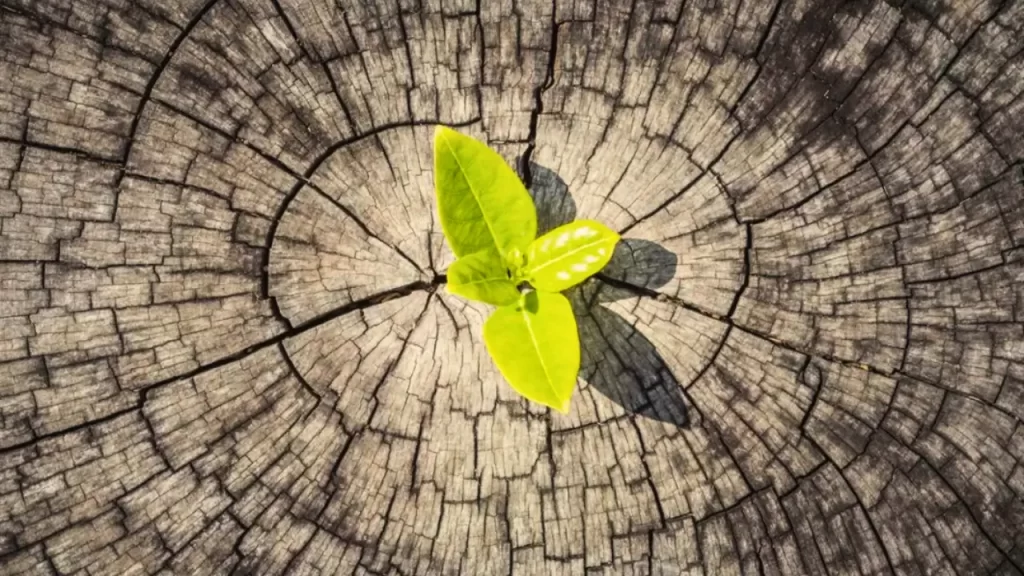
7 Lessons from Afghanistan’s Earthquake Survivors
Understanding resilience becomes easier when we observe how survivors manage to find strength in chaos. Their practices reveal universal principles that we can apply to our own lives.
1. The Power of Community
The first response after a disaster often comes not from institutions, but from neighbors and relatives. Afghans show that survival depends on unity. Sharing food, offering shelter, and working together to clear debris are simple but life-saving acts. Community ties create a network of safety that no individual effort could replace.
2. Redefining Priorities
In the wake of destruction, the essentials come first: water, food, and protection. Material possessions lose importance. Survivors remind us that clarity about what truly matters is the foundation of resilience. In our daily lives, focusing on the essential can help us manage stress and live with greater purpose.
3. Spirituality as a Source of Strength
For many Afghans, spiritual practices provide meaning and calm in moments of despair. Prayer, rituals, and traditions act as anchors in uncertain times. Regardless of one’s faith, cultivating inner connection — through meditation, reflection, or gratitude — strengthens emotional stability.
4. Adaptation and Flexibility
Damaged homes lead to improvised shelters. Blocked roads open new paths. Survivors adapt with creativity and determination. This flexibility illustrates that resilience is about adjusting rather than resisting. In our personal challenges, learning to pivot can reduce frustration and create unexpected opportunities.
5. Protecting the Vulnerable
Children, the elderly, and those with disabilities often face the greatest risks in emergencies. Afghan communities highlight the importance of collective responsibility. Families and neighbors ensure that the most vulnerable are safe. Applying this principle daily means offering care and support to those around us who may need extra help.
6. Hope as an Engine for Action
Hope does not erase pain, but it keeps people moving forward. Survivors rebuild with the belief that tomorrow can be better. This hopeful mindset transforms despair into motivation. Practicing optimism in small ways — like celebrating progress or setting achievable goals — builds personal resilience.
7. Small Steps Toward Recovery
Reconstruction never happens overnight. It is the result of small, consistent actions. Every stone replaced, every field replanted, every routine resumed represents progress. Similarly, in our own lives, small steps accumulate into significant transformation.

How to Apply These Lessons in Everyday Life
The resilience of Afghanistan’s earthquake survivors may seem extraordinary, but the principles they embody are universal. To bring these lessons into your life:
- Build strong support networks with family and friends.
- Focus on essential values such as health, relationships, and purpose.
- Develop inner practices like mindfulness or journaling.
- Remain adaptable when facing unexpected changes.
- Offer support to those more vulnerable in your community.
- Nurture hope with small achievements.
- Take consistent small steps toward larger goals.
These actions can help you create a foundation of strength that makes any storm easier to endure.
Surprising Facts about Resilience in Crisis
Resilience is not only a psychological concept; it is a social and cultural reality. Studies show that:
- Communities with strong social bonds recover faster after natural disasters.
- Children exposed to resilience practices, such as storytelling and routines, show fewer long-term traumas.
- Collective rituals, including meals and cultural traditions, provide stability and comfort during chaos.
- Countries like Japan and Chile include resilience education in schools, teaching children how to cope with emergencies.

Finding Inspiration Beyond Tragedy
The story of Afghanistan’s earthquake survivors reminds us that resilience is not about eliminating suffering, but about transforming it into growth. It is a daily practice of courage, solidarity, and hope.
By applying these lessons, we can face our own challenges with greater balance and determination. In chaos, we find the chance to rebuild not only homes, but also the spirit that sustains us.
Keep Blooming in Life
Did this article inspire you to reflect on resilience? Share it with someone who could use a reminder of their own inner strength.
And continue exploring our site for more uplifting insights:
- Unlock Your Aura: 9 Powerful Ways to Cleanse and Shine
- 5 Simple Breathwork Exercises to Reduce Anxiety
- 7 Powerful Mindfulness Practices for a Calmer LifeDiscover
- 7 Steps to Daily Calm: Unlock Your Potential with Mindful Living
- 10 Ways to Romanticize Your Life and Make Every Day Magical

Gui Perine
Gui Perine is the creator of Your Life in Full Bloom, a lifestyle website for women who want to live with more intention, beauty, and freedom after 50.
Through thoughtful articles on home, travel, reinvention, and everyday choices, she explores what it means to build a fuller life in a new season — one that feels calmer, more personal, and more aligned with who you are becoming.
Her work is inspired by real-life transitions, the desire for independence, and the belief that life after 50 can be a time of clarity, possibility, and renewal.



3 thoughts on “Unbreakable Strength: Lessons from Afghanistan’s Survivors”