

Christmas superstitions shape how many cultures celebrate the holiday season. From rituals meant to bring good luck to traditions believed to protect families from misfortune, these practices reveal how deeply humans seek connection and symbolism. Understanding Christmas superstitions helps us appreciate the cultural and emotional layers that make this time of year truly magical.
Christmas Superstitions and Their Global Significance
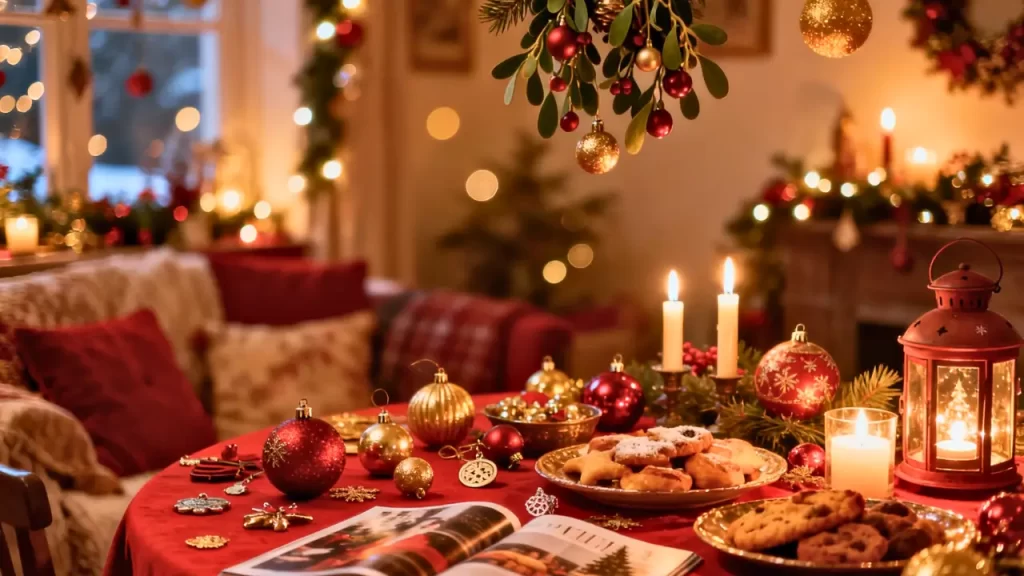
Christmas superstitions blend spirituality, tradition and the human desire for meaning. They often involve food, fire, candles or symbolic decorations, each carrying a wish for protection, prosperity or renewal. These traditions are more than beliefs about luck. They reflect heritage, identity and collective memory passed through generations.
Why Christmas Superstitions Endure
Superstitions remain alive because they create feelings of belonging and reassurance. During the holiday season, emotions intensify. People wish for harmony, abundance and connection. Rituals offer comfort and continuity, bridging past and present and reminding us that imagination and symbolism have a special place this time of year.
European Christmas Superstitions
Europe offers some of the most diverse and intriguing expressions of Christmas superstitions, from playful predictions to centuries-old beliefs.
The Czech Shoe Toss
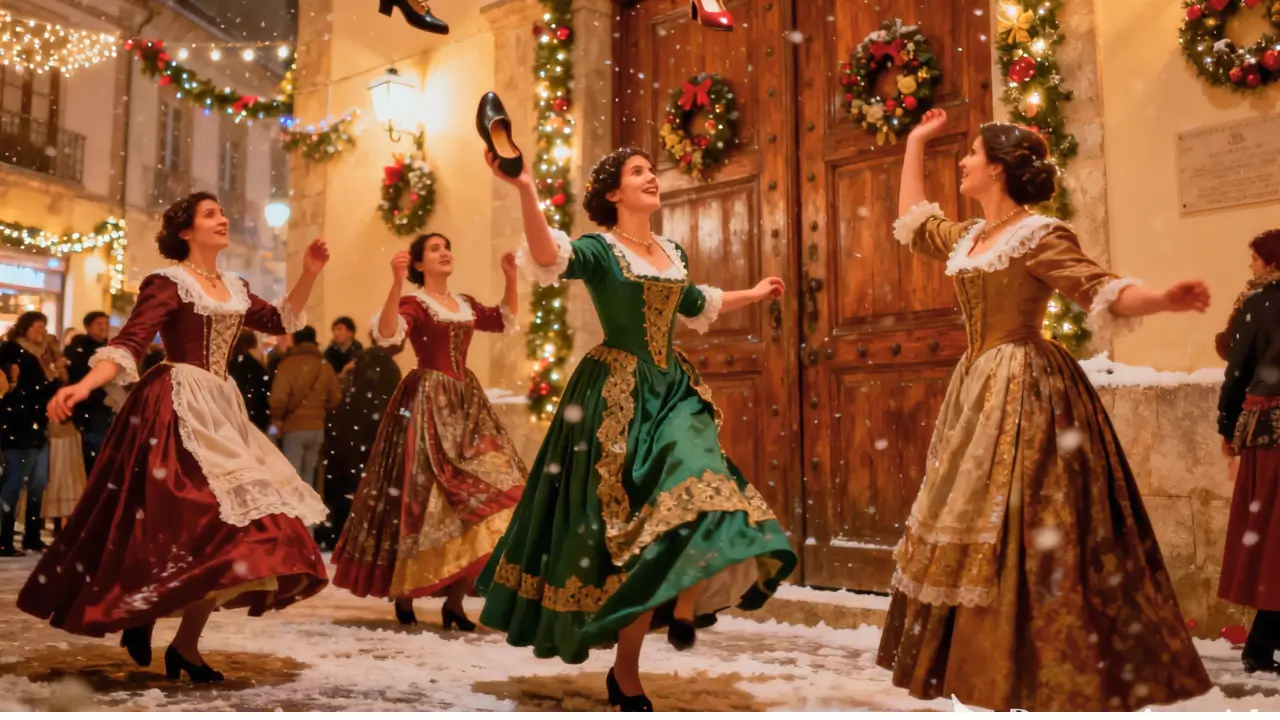
In the Czech Republic, single women stand with their backs to the door and toss a shoe over their shoulder. If the toe points toward the door, it is believed they will marry within a year. This ritual symbolizes hope and new beginnings.
Spain’s Twelve Grapes
Although usually associated with New Year’s Eve, the tradition of eating twelve grapes for good luck often starts at Christmas gatherings in Spain. Each grape represents a wish for prosperity and protection.
Italy’s Lucky Lentils
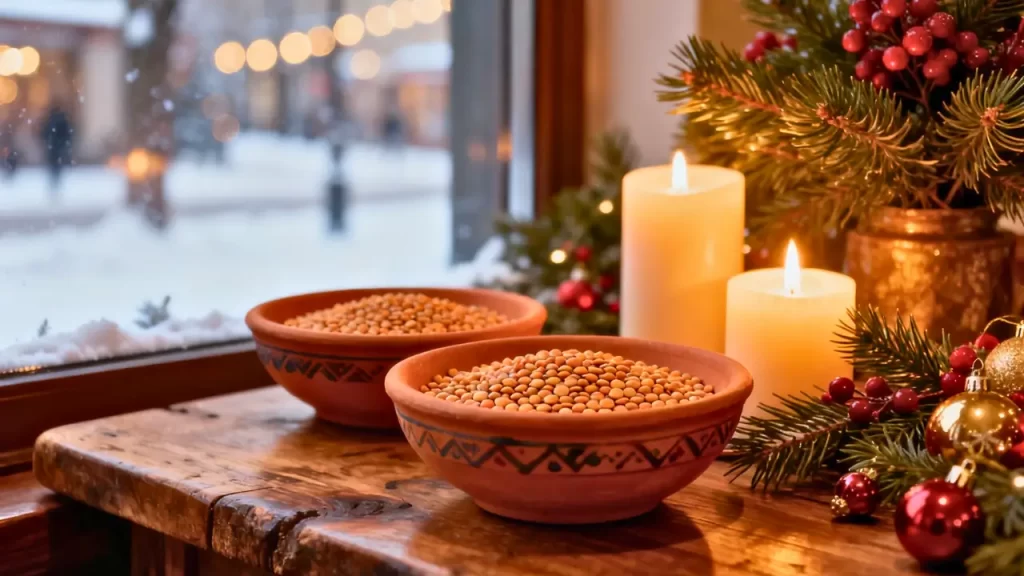
In Italy, lentils symbolize abundance because of their coin-like shape. Eating lentils during Christmas is believed to attract prosperity and financial growth in the coming year.
Norway’s Hidden Brooms
A uniquely Nordic superstition says that families should hide their brooms on Christmas Eve so mischievous spirits cannot steal them to roam the skies. This tradition is rooted in old folklore and winter legends.
Christmas Superstitions Across Asia
As Christmas spreads across Asia in modern times, it blends with local customs to create new, meaningful rituals.
Japan’s Good Fortune Decorations
In Japan, Christmas décor such as bells and wreaths is believed to attract harmony and positive energy. Red and gold details symbolize protection and joy, merging global aesthetics with Japanese symbolism.
The Light of the Philippines
The Philippines hosts the world’s longest Christmas season. Parol lanterns, which illuminate homes and streets, are also tied to the superstition that light protects households and guides blessings to the family.
American Christmas Superstitions
The Americas offer a rich combination of European influences, indigenous beliefs and contemporary traditions.
The Christmas Pickle
In the United States, families hide a pickle-shaped ornament in the Christmas tree. Whoever finds it first receives good luck or an extra gift. The origin is uncertain, but it adds playful excitement to the celebration.
The Protective Fireplace
Many households believe that a clean and open fireplace before Christmas Eve attracts good energy and keeps negativity away. Fire has long symbolized purification and protection.
African Christmas Superstitions
In parts of Africa where Christmas is celebrated, rituals often reflect ancestral wisdom. Some families cleanse their homes before decorating as a way to invite blessings. In Nigeria, wearing new or brightly colored clothing symbolizes renewal and gratitude, aligning the celebration with prosperity and joy.
Food-Related Christmas Superstitions
Food plays a central symbolic role in holiday celebrations, representing unity, abundance and emotional warmth.
The British Pudding Wish
In the United Kingdom, family members traditionally take turns stirring the Christmas pudding clockwise while making a wish. This collective ritual is believed to bring harmony and good fortune.
Festive Bread of Eastern Europe
In places like Ukraine and Poland, special Christmas breads hold symbolic meaning. Their presence on the table is believed to protect the home and strengthen unity among family members.
Love and Relationship Superstitions
Christmas superstitions often extend to love, relationships and emotional bonds.
Kissing Under the Mistletoe
Mistletoe is linked to ancient Celtic beliefs that attributed healing and love-attracting powers to the plant. Today the tradition continues as a symbol of affection and new beginnings.
Intention Candles
In some cultures, lighting a candle on Christmas Eve is believed to attract emotional clarity, reconciliation or deeper connections. It is a gentle ritual of hope and intention.
Renewal Superstitions for Christmas
Many traditions view Christmas as a symbolic threshold between cycles.
No Cleaning on Christmas Day
Some cultures believe that cleaning on Christmas Day sweeps blessings away. Preparation is done beforehand to symbolically make space for abundance.
Wearing Red for Luck
Red is widely seen as a color of vitality, courage and protection. Wearing red on Christmas is a common way to invite joy and good fortune.
The Meaning Behind Christmas Superstitions
Christmas superstitions reveal what people value globally: love, protection, prosperity and emotional renewal. These rituals turn the holiday into more than a festive date. They create a deeper sense of grounding and meaning.
Creating Your Own Christmas Rituals
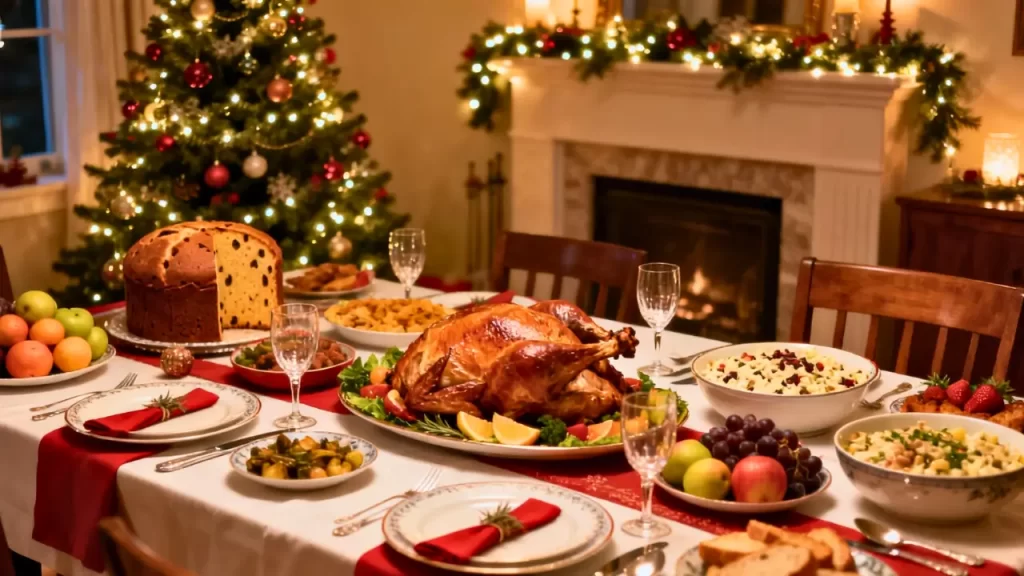
You can draw inspiration from global traditions to create your own meaningful rituals. Write intentions, light a candle, prepare a symbolic meal or decorate with elements that resonate with your values. Simple acts can transform the holiday into a more mindful and emotionally fulfilling experience.
If this article inspired you to explore the hidden meaning behind Christmas superstitions, share it with someone curious about culture, symbolism and holiday magic.
More to Explore on YourLifeInFullBloom.com
Readers interested in cultural insight and emotional well-being may also enjoy:
- Angel Tree: 7 Heartfelt Ways to Spread Christmas Joy
- 7 Hidden Wellness Retreats for an Unforgettable Escape
- 7 Powerful Reasons Slow Travel Changes Everything
- 7 Ways Thanksgiving Inspires the World to Live More Fully
- Giving Tuesday: 7 Inspiring Ways to Give With Purpose

Gui Perine
Gui Perine is the creator of Your Life in Full Bloom, a lifestyle website for women who want to live with more intention, beauty, and freedom after 50.
Through thoughtful articles on home, travel, reinvention, and everyday choices, she explores what it means to build a fuller life in a new season — one that feels calmer, more personal, and more aligned with who you are becoming.
Her work is inspired by real-life transitions, the desire for independence, and the belief that life after 50 can be a time of clarity, possibility, and renewal.


1 thought on “7 Fascinating Christmas Superstitions Around the World”