
Rainy day home prep is not about fear.
It is about making your home feel calmer, safer, and easier to manage when the weather changes.
Heavy rain can arrive suddenly. A small leak can appear near a window. A gutter can overflow. A balcony drain can clog. Power can go out. A basement, garage, entryway, or laundry area can collect water faster than expected.
Most of the time, the best preparation happens before the rain begins.
A calmer home is not only about beautiful rooms, soft lighting, and organized shelves. It is also about the quiet confidence of knowing where the flashlight is, where the important papers are, what to check first, and how to protect the spaces you use every day.
For women after 50, this kind of preparation can be especially empowering. It reduces stress, supports independence, and makes the home feel less reactive.
You do not need to turn your house into an emergency bunker.
You need a simple, practical system.
Here are 9 smart ways to prepare your home for rainy days, heavy rain, leaks, and unexpected weather.
Quick Answer: How Do You Prepare Your Home for Heavy Rain?
To prepare your home for heavy rain, clear gutters and drains, check windows and doors for leaks, move important items away from floors, protect documents in waterproof storage, prepare flashlights and batteries, charge devices, keep basic emergency supplies ready, and follow local weather alerts.
A simple rainy day home prep checklist includes:
- clear gutters, downspouts, and balcony drains;
- check windows, doors, basements, and ceilings for leaks;
- keep towels, buckets, and absorbent mats ready;
- protect important documents;
- charge phones and power banks;
- prepare flashlights and battery lanterns;
- store drinking water and basic food;
- keep medications and pet supplies accessible;
- know what to do if local authorities issue flood warnings.
The goal is not perfection.
The goal is to reduce panic when the weather gets worse.
1. Start With Gutters, Drains, and Water Flow
Rain becomes a bigger problem when water has nowhere to go.
That is why gutters, downspouts, outdoor drains, balcony drains, and yard drainage should be checked before heavy rain arrives.
Look for:
- leaves;
- dirt;
- small branches;
- mud;
- clogged balcony drains;
- blocked downspouts;
- standing water near the house;
- water flowing toward doors or walls;
- planters blocking drainage areas.
If you live in a house, gutters and downspouts matter a lot. If water overflows, it can run down walls, collect near the foundation, damage paint, or contribute to leaks.
If you live in an apartment, balcony and terrace drains deserve attention. A few leaves, plant debris, or outdoor rugs in the wrong place can slow drainage during heavy rain.
This is one of the most practical forms of rainy day home prep because it prevents problems instead of reacting to them.
Do not wait until water is already pooling.
Make drainage part of your seasonal home routine.
2. Check Windows, Doors, and Ceilings for Small Leaks
A leak rarely begins as a dramatic disaster.
It often begins as a small stain, a damp corner, a swollen window frame, a musty smell, or a drop of water that appears only during strong rain.
Before rainy weather, walk through your home and check:
- window frames;
- sliding doors;
- exterior doors;
- ceilings;
- attic access points;
- basement walls;
- laundry areas;
- garage corners;
- balcony doors;
- walls near air-conditioning units;
- areas behind curtains.
Look for discoloration, bubbling paint, mold smell, soft drywall, warped wood, or old caulking.
Small leaks are important because they can quietly damage walls, furniture, flooring, and stored items. They can also make the home feel damp and unhealthy.
Keep a basic “rain response” basket ready with:
- old towels;
- microfiber cloths;
- a small bucket;
- absorbent pads;
- gloves;
- flashlight;
- painter’s tape or temporary labels;
- a notebook to record where leaks appear.
Taking a photo of the area can also help if you need to explain the problem to a repair professional later.
The calmer choice is to notice early.
3. Protect Important Documents and Keepsakes
Water damage is not only about furniture and walls.
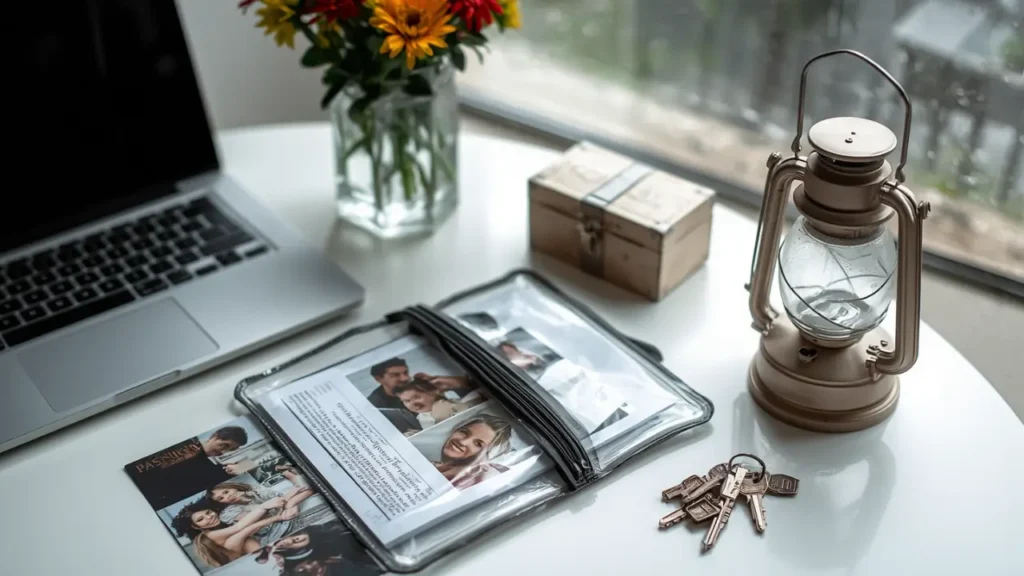
It can also affect the things that are hardest to replace: documents, family photos, certificates, passports, insurance papers, medical information, tax records, legal documents, and sentimental keepsakes.
A rainy day home prep system should include safe document storage.
Consider protecting:
- passports;
- birth certificates;
- marriage certificates;
- insurance policies;
- home documents;
- medical records;
- prescriptions;
- emergency contacts;
- financial papers;
- family photos;
- old letters;
- small sentimental objects.
Use waterproof document bags, sealed plastic containers, or a fireproof and waterproof box when appropriate.
Also consider digital backups. Scanning key documents and storing them securely can make recovery easier if something happens.
Keep essential papers in one known place, not scattered across drawers, closets, boxes, and bags.
This is especially useful if you ever need to leave home quickly, file an insurance claim, contact a doctor, or prove identity.
Preparedness can feel boring until you need it.
Then it feels like peace.
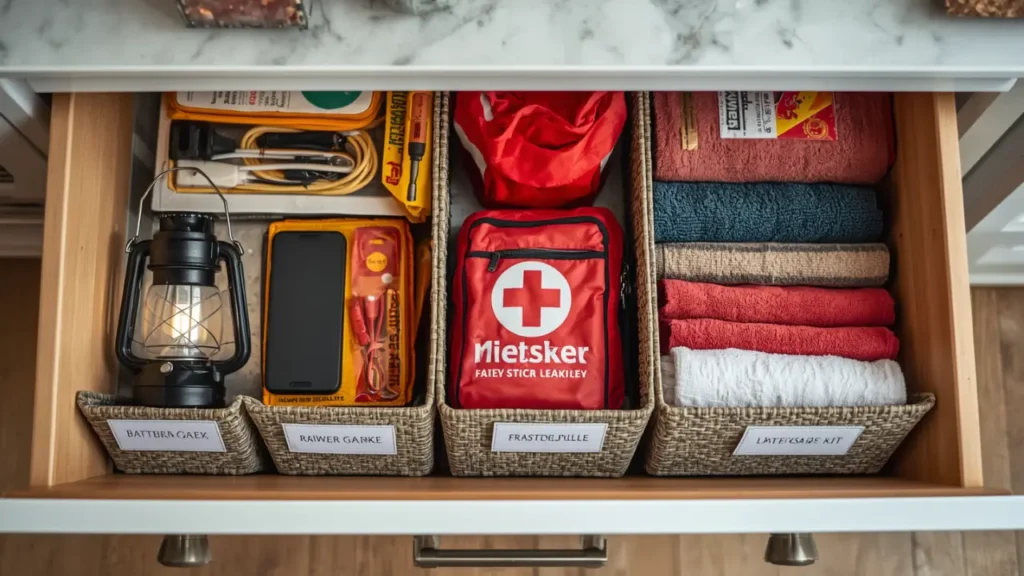
4. Create a Small Power Outage Station
Rainy weather can bring power outages.
A power outage is less stressful when you know exactly where the essentials are.
Create one easy-to-reach station with:
- flashlights;
- battery lanterns;
- extra batteries;
- power banks;
- charging cables;
- a small radio, if useful;
- matches or lighter, if safely stored;
- emergency contact list;
- basic first-aid supplies;
- reading glasses, if needed;
- medications you may need quickly.
Avoid relying only on your phone flashlight. Your phone may need to preserve battery for calls, alerts, maps, and messages.
Battery lanterns are especially helpful because they light a room without needing to hold them.
Choose one place for your power outage station and tell everyone in the home where it is.
A drawer near the kitchen, laundry room, hallway closet, or entry area can work well.
The key is consistency.
When the lights go out, you should not have to search through five cabinets.
5. Prepare the Entryway for Wet Shoes, Umbrellas, and Pets
Rain often creates chaos at the door.
Wet shoes, umbrellas, muddy paws, soaked bags, and dripping coats can make the whole home feel messy very quickly.
A rain-ready entryway does not need to be large.
It needs to be practical.
Helpful items include:
- washable mat;
- boot tray;
- umbrella stand;
- hooks for coats;
- towel for pets;
- basket for wet accessories;
- small bench;
- waterproof bag for errands;
- easy-to-clean floor area.
This is a simple update, but it changes the way the home feels during rainy days.
Instead of water spreading through the house, everything has a place to land.
For a more beautiful look, choose items that match your style: a colorful mat, a ceramic umbrella stand, woven baskets, brass hooks, or a cheerful boot tray.
Function does not have to look ugly.
A well-prepared entryway keeps the rest of the home calmer.

6. Keep Basic Supplies Without Overbuying
Preparedness does not require panic shopping.
You do not need to buy everything. You need the basics that help your household function if heavy rain, flooding, or power outages interrupt normal routines.
A practical home supply list may include:
- drinking water;
- shelf-stable food;
- manual can opener;
- medications;
- pet food;
- first-aid kit;
- hygiene products;
- batteries;
- flashlights;
- power banks;
- trash bags;
- disinfecting wipes;
- gloves;
- basic cleaning supplies;
- copies of important contacts.
Ready.gov recommends preparing an emergency kit with water, food, communication tools, lighting, first-aid supplies, sanitation items, medications, documents, and other essentials based on household needs.
For women after 50, it is also smart to think about comfort and health:
- prescription refills;
- reading glasses;
- mobility needs;
- phone chargers;
- personal care products;
- easy meals;
- items for grandchildren, if they visit;
- backup supplies for pets.
Preparedness should fit your real life.
The best supplies are the ones you can actually find, use, and rotate.
7. Know the Difference Between a Rainy Day and a Flood Risk
Not every rainy day is an emergency.
But heavy rain can create dangerous conditions quickly, especially near low-lying roads, rivers, storm drains, underpasses, hillsides, and areas with poor drainage.
That is why local alerts matter.
The National Weather Service warns that flooding can happen anywhere that receives rain, and flash floods can develop quickly. NOAA’s flood safety guidance also emphasizes avoiding flooded roads and not walking, swimming, or driving through floodwater.
At home, take flood risk seriously if you notice:
- water rising near doors;
- water entering the garage or basement;
- local streets flooding;
- drains backing up;
- authorities issuing alerts;
- nearby rivers, creeks, or channels rising;
- electricity concerns near standing water.
Floodwater can contain debris, sewage, chemicals, and electrical hazards. The CDC advises avoiding floodwater when possible and being careful around electrical risks after flooding.
This article is not a substitute for local emergency guidance.
If officials tell you to evacuate, move to higher ground, or avoid travel, follow those instructions.
A calm home is important.
Your safety is more important.
8. Make a Simple Family Communication Plan
During bad weather, confusion creates stress.
A simple communication plan can help everyone know what to do.
You do not need a complicated document. You need answers to a few practical questions:
- How will we receive local alerts?
- Who checks on older relatives?
- Who brings pets inside?
- Where are the flashlights?
- Where are the documents?
- What room is safest if weather becomes severe?
- Who do we contact if phones lose battery?
- Where do we meet if we cannot stay home?
- Which neighbor could help in an emergency?
- Who has copies of important numbers?
Write the most important information down and keep it somewhere visible or easy to find.
Do not rely only on memory.
Also make sure emergency contacts are saved in your phone and written on paper.
This matters because power outages, low battery, stress, and poor signal can make simple tasks harder.
A communication plan is not dramatic.
It is practical care.
9. Reset the Home After the Rain
Rainy day home prep does not end when the storm passes.
After heavy rain, take a few minutes to check your home.
Look for:
- damp corners;
- water stains;
- musty smells;
- wet rugs;
- clogged drains;
- standing water;
- damaged plants;
- loose outdoor items;
- leaks under windows;
- moisture in closets;
- electrical issues;
- warped flooring.
Dry wet areas quickly when it is safe. Open windows if weather allows. Wash damp towels. Empty buckets. Take photos of any damage. Make a note of what needs repair.
If water entered the home, be careful with electricity and contaminated water. Wait for professional help when needed.
Also review what worked and what did not.
Did you know where the flashlight was?
Were the gutters clear?
Did the entryway stay organized?
Were your documents protected?
Did you have enough batteries?
Was anything missing?
This review helps you improve the system before the next rainy season.
A calmer home is built in small corrections.
Helpful Items for Rainy Day Home Prep
You do not need to turn your home into a storage room. A few practical items can make rainy weather much easier to manage.
Battery lanterns and flashlights
Useful during power outages and safer than searching in the dark.
Power banks
Helpful for keeping phones charged during outages.
Waterproof document bags
Protect passports, certificates, insurance papers, and essential records.
Boot tray or washable entry mat
Keeps wet shoes, umbrellas, and pet mess near the door.
Absorbent towels and microfiber cloths
Useful for small leaks, wet floors, and quick cleanup.
Basic first-aid kit
Important for any home emergency setup.
Storage bins with lids
Helpful for keeping seasonal items, photos, and papers away from moisture.
Water leak detectors
Useful near sinks, water heaters, washing machines, basements, and areas with past leaks.
Shop rainy day home prep essentials on Amazon
As an Amazon Associate, Your Life in Full Bloom may earn from qualifying purchases, at no additional cost to you.
Rainy Day Home Prep Checklist
Before heavy rain:
- clear gutters and drains;
- check windows and doors;
- move valuables away from floors;
- charge phones and power banks;
- prepare flashlights and batteries;
- protect documents;
- bring outdoor cushions inside;
- secure lightweight outdoor items;
- check local alerts;
- keep pets indoors;
- prepare towels and buckets;
- avoid unnecessary travel.
During heavy rain:
- monitor local alerts;
- stay away from floodwater;
- avoid using electrical items near standing water;
- keep phones charged;
- watch for leaks;
- stay indoors when conditions are unsafe;
- follow official instructions.
After heavy rain:
- check for leaks and damp areas;
- dry wet surfaces;
- inspect drains and gutters;
- photograph damage;
- clean entry areas;
- replace used supplies;
- write down what needs repair.
Preparedness becomes easier when it is written down.
To Make Rainy Days Feel Less Chaotic
Rain will always be part of life.
Some days it is cozy.
Some days it is inconvenient.
Some days it creates real risk.
The difference is not whether the weather changes.
The difference is whether your home is ready enough to support you when it does.
Rainy day home prep is a form of calm.
It is knowing where things are.
It is noticing small leaks early.
It is protecting what matters.
It is keeping the entryway functional.
It is charging the power bank before you need it.
It is listening to local alerts instead of guessing.
It is making home feel less fragile when the outside world feels uncertain.
A beautiful home is not only beautiful on sunny days.
It is also a home that helps you feel steady when the rain comes.

Gui Perine
Gui Perine is the creator of Your Life in Full Bloom, a lifestyle website for women who want to live with more intention, beauty, and freedom after 50.
Through thoughtful articles on home, travel, reinvention, and everyday choices, she explores what it means to build a fuller life in a new season — one that feels calmer, more personal, and more aligned with who you are becoming.
Her work is inspired by real-life transitions, the desire for independence, and the belief that life after 50 can be a time of clarity, possibility, and renewal.