


Solo female travel tips can be one of the most empowering experiences a woman can have.
It gives you the freedom to choose your own rhythm, follow your curiosity, wake up when you want, change plans without negotiating, and discover who you are when no one else is defining the day for you.
But traveling alone as a woman also requires awareness.
That does not mean living in fear. It means preparing well, trusting your instincts, making thoughtful decisions, and understanding that confidence grows when you feel informed.
The goal of solo female travel is not to prove that you are fearless. You do not have to be fearless to travel. You only need to be attentive, practical, and honest about what helps you feel safe.
A good trip is not only about beautiful photos, famous landmarks, and perfect itineraries. It is also about knowing how to arrive, where to stay, how to move around, what to avoid, and how to create small systems that support your independence.
These solo female travel tips are designed to help you plan with more confidence, reduce unnecessary risks, and enjoy the experience of exploring the world on your own terms.
Why Solo Female Travel Tips Requires a Different Kind of Planning
Solo female travel tips is not the same as traveling with a partner, family, or group.
When you are alone, every decision is yours. That can feel freeing, but it also means you need to think ahead in ways that may not matter as much when someone else is with you.
You decide where to stay.
You decide how to get from the airport to the hotel.
You decide which streets feel comfortable.
You decide when to leave a place.
You decide whether to accept a conversation, a ride, an invitation, or a shortcut.
This kind of freedom is powerful, but it works better with preparation.
Planning does not make travel less adventurous. It makes adventure feel more grounded.
For women traveling alone, good planning can help with:
- choosing safer accommodations;
- arriving during daylight when possible;
- understanding local transportation;
- avoiding unnecessary exposure;
- keeping documents and money secure;
- maintaining communication with trusted people;
- recognizing cultural expectations;
- making decisions without pressure.
The point is not to expect danger everywhere.
The point is to give yourself more options.
Preparedness can make solo travel feel less intimidating and more enjoyable.
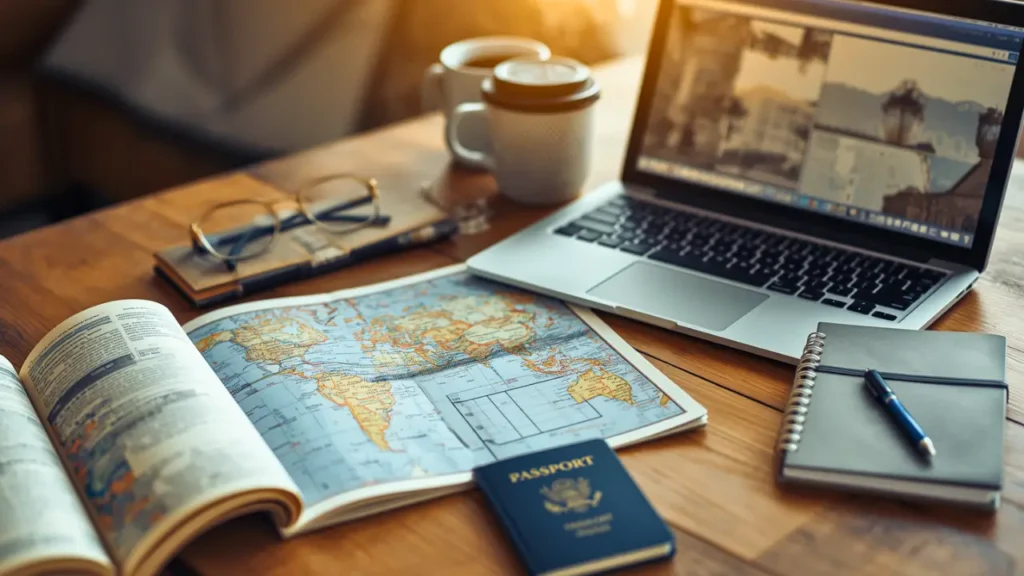
1. Choose Your Destination With Your Current Confidence Level in Mind
Not every destination feels the same for every traveler.
Some places are easier for first-time solo female travelers because they have strong tourism infrastructure, reliable transportation, walkable neighborhoods, clear signage, and plenty of accommodation options.
Other destinations may require more experience, more language skills, more cultural research, or more flexibility.
Before choosing where to go, ask yourself:
- Is this my first solo trip?
- Do I speak the local language?
- How comfortable am I navigating alone?
- Is public transportation easy to understand?
- Will I arrive late at night?
- Are there neighborhoods I should avoid?
- How do women generally experience travel there?
- Do I want a calm trip or a challenging adventure?
There is no shame in choosing an easier destination for your first solo trip.
Confidence builds through experience. A peaceful city, a well-connected destination, or a place with familiar travel systems can help you enjoy the independence of solo travel without feeling overwhelmed.
You do not need to prove anything by choosing the most difficult itinerary.
Start where you can feel curious and alert, not constantly tense.
A smart destination is one that matches the traveler you are right now.
2. Book Accommodation in a Safe, Well-Connected Area
Where you stay matters deeply when you are traveling alone.
A beautiful room is not enough. The neighborhood, entrance, transportation access, lighting, reviews, and check-in process all matter.
When researching accommodation, look beyond the photos.
Pay attention to:
- recent reviews from solo travelers;
- comments about safety and location;
- proximity to public transportation;
- whether the area feels active at night;
- front desk availability;
- secure building access;
- elevator or stair access;
- walking distance from restaurants, cafés, and essential services;
- ease of getting a taxi or rideshare.
A cheaper stay can become expensive in other ways if it leaves you far from safe transportation or uncomfortable walking back at night.
For solo female travel, paying a little more for a better location can be worth it.
Try to avoid arriving at an unfamiliar accommodation very late at night, especially if you still need to find the entrance, collect keys, or walk through quiet streets.
If late arrival is unavoidable, plan transportation in advance.
Your accommodation should feel like a base, not another source of stress.
3. Share Your Itinerary With Someone You Trust
Independence does not mean disappearing.
Before traveling alone, share your basic itinerary with someone you trust. This can include flight details, hotel name, address, phone number, travel dates, and any planned tours or transfers.
You do not need to report every step of your day. But someone should know where you are supposed to be.
It can also help to create simple check-in habits:
- send a message when you arrive;
- share your location during late-night transfers;
- tell someone before a long day trip;
- confirm when you return to your accommodation;
- keep emergency contacts accessible;
- store important information offline.
This is not about giving up freedom. It is about creating a safety net.
If plans change, update the person who has your information. A quick message can prevent confusion and provide peace of mind.
For longer trips, consider keeping a shared document with accommodation details, transportation bookings, travel insurance information, and emergency contacts.
Good communication makes solo travel feel lighter.
You can be independent and connected at the same time.
4. Arrive During Daylight When Possible
One of the simplest solo female travel tips is to plan arrivals during daylight whenever you can.
Arriving in a new place during the day makes it easier to understand your surroundings, find transportation, check in, locate nearby shops, and notice how the neighborhood feels.
At night, everything becomes more complicated. Streets may be emptier. Directions may feel less clear. Transportation options may be limited. Fatigue may affect decision-making.
Daylight arrival is especially useful when:
- it is your first time in that city;
- you do not speak the local language;
- you are staying in an apartment rental;
- you need to collect keys;
- the airport or station is far from the city center;
- you are traveling with luggage;
- you are arriving after a long flight.
If you must arrive late, prepare more carefully.
Book transportation in advance. Confirm the address. Save maps offline. Keep your phone charged. Know the check-in process. Avoid wandering around with luggage while trying to figure things out.
A smooth arrival sets the tone for the trip.
You do not have to control everything. But you can reduce the most stressful variables.
5. Trust Your Instincts Without Apologizing
Your intuition is an important travel tool.
If a street feels wrong, leave.
If a person makes you uncomfortable, create distance.
If a conversation feels invasive, end it.
If a driver changes the route unexpectedly, pay attention.
If an accommodation does not feel safe, ask for help or change plans.
If an invitation feels pressured, say no.
You do not need to be polite at the expense of your safety.
Women are often socialized to be agreeable, kind, and careful not to offend. While kindness is valuable, it should not override your inner alarm system.
Solo female travel requires permission to act quickly.
You can walk away.
You can change seats.
You can enter a shop.
You can ask a staff member for help.
You can call someone.
You can cancel.
You can leave.
You do not owe strangers an explanation for protecting your peace.
If you later realize nothing was wrong, that is fine. A slightly awkward moment is better than ignoring a warning sign.
Trusting yourself is part of becoming a more confident traveler.
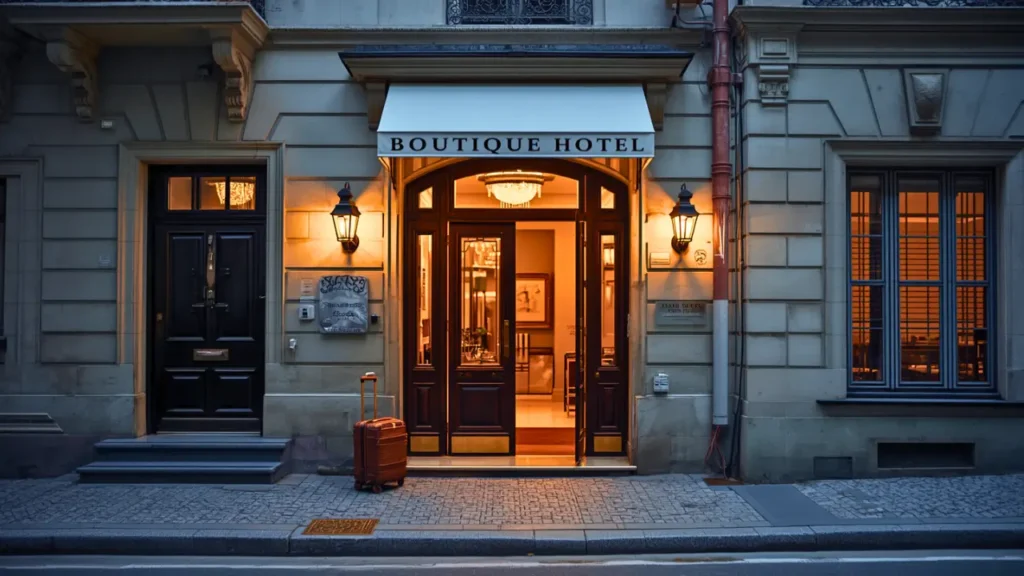
6. Keep Your Phone Charged and Useful
Your phone is one of your most important travel tools.
It can help you navigate, translate, communicate, book rides, access reservations, store documents, contact emergency services, and share your location.
But it only helps if it is charged, organized, and accessible.
Before your trip, prepare your phone by:
- saving offline maps;
- downloading translation tools;
- saving hotel addresses;
- keeping emergency contacts visible;
- storing copies of important documents;
- installing transportation apps used locally;
- saving screenshots of reservations;
- checking international phone service;
- packing a portable charger.
During the day, avoid letting your battery drop too low. A small power bank can be especially helpful when you are out sightseeing, using maps, or taking photos.
Also think about digital privacy. Avoid leaving your phone unlocked on café tables or public counters. Be careful when using public Wi-Fi for sensitive information. Keep essential data backed up.
A charged phone does not replace judgment.
But it gives you more options when something changes.
7. Dress With Comfort, Culture, and Confidence in Mind
What you wear while traveling alone should support comfort, movement, and cultural awareness.
This does not mean dressing out of fear. It means choosing clothing that helps you feel confident, practical, and respectful of the place you are visiting.
Before packing, research local customs and climate. Some destinations are more conservative. Some require covered shoulders or knees in religious sites. Some cities involve a lot of walking, stairs, rain, heat, or cobblestone streets.
Good travel clothing should help you:
- move easily;
- walk comfortably;
- adapt to temperature changes;
- respect local expectations when needed;
- avoid unnecessary attention in certain places;
- feel like yourself.
Comfortable shoes are especially important. Painful shoes can change the entire experience of a solo trip. When you are alone, you do not want to feel physically limited because your shoes looked better than they worked.
A crossbody bag, light jacket, scarf, or simple layers can also make travel easier.
The goal is not to disappear.
The goal is to move through the day with confidence.
8. Be Careful With Alcohol and Night Plans
Solo travel does not mean you cannot enjoy nightlife, restaurants, music, or a glass of wine. But being alone changes the safety calculation.
Alcohol can affect awareness, judgment, and reaction time. It can also make it harder to navigate, communicate, or recognize when something feels off.
If you go out at night, plan ahead:
- know how you will get back;
- avoid walking alone in unfamiliar quiet areas;
- keep your drink with you;
- do not leave drinks unattended;
- limit alcohol if you are alone;
- choose places with staff and other customers;
- sit where you can observe the room;
- trust your discomfort;
- arrange transportation before you are tired.
You do not have to avoid all evening activities. Some of the best travel memories happen at night: city lights, concerts, restaurants, theater, night markets, waterfront walks, and local culture.
The key is to enjoy them with awareness.
A good rule: make the safest decision before you are too tired to make it well.
9. Learn Basic Local Phrases and Emergency Information
Even a few local phrases can make solo travel smoother.
You do not need fluency to benefit from learning the basics. Simple words can help you ask for help, show respect, navigate transportation, and feel less dependent on translation apps.
Useful phrases include:
- hello;
- thank you;
- excuse me;
- I need help;
- where is the bathroom?;
- how much is this?;
- I do not understand;
- please call a taxi;
- I am lost;
- I need a doctor;
- please call the police.
Also research emergency numbers before you arrive. They vary by country. Save them in your phone and write them somewhere offline.
Know the address of your accommodation in the local language. If the language uses a different alphabet, keep a screenshot or written version that a driver or local person can read.
This small preparation can reduce stress in unexpected situations.
Language is not only communication.
It is also confidence.
10. Give Yourself Permission to Change Plans
One of the greatest benefits of solo female travel is flexibility.
You can change your mind.
You can skip a tour.
You can leave a museum early.
You can rest instead of sightseeing.
You can change neighborhoods.
You can cancel dinner.
You can avoid a place that does not feel right.
You can take a taxi instead of walking.
You can spend the afternoon reading in a café.
You can choose peace over proving you are adventurous.
Sometimes travelers feel pressure to follow the itinerary exactly because they invested time, money, and energy into planning it. But a good solo trip should leave room for your real experience.
Your body may need rest.
Your intuition may ask for caution.
Your mood may change.
The weather may shift.
A place may feel different than expected.
Changing plans is not failure.
It is one of the privileges of traveling alone.
Your trip belongs to you.
Helpful Items for Solo Female Travel
Solo female travel is not about buying every travel gadget. The most important tools are awareness, preparation, and good judgment.
Still, a few practical items can make travel easier, safer, and more organized.
Crossbody travel bags
A secure crossbody bag can help keep essentials close while leaving your hands free.
Portable chargers
A power bank is useful for long sightseeing days, transportation, maps, translation apps, and emergency communication.
Travel locks and door stops
Small security tools may add peace of mind in hotels, hostels, rentals, or shared accommodations.
RFID-blocking wallets or passport holders
These can help keep cards, documents, and travel essentials organized.
Comfortable walking shoes
Good shoes matter when you are navigating a city alone and need to move confidently.
Lightweight scarves and layers
Useful for temperature changes, religious sites, flights, trains, and unexpected weather.
Personal safety alarms
In some destinations, a small alarm may help attract attention in an emergency. Always check local rules and travel guidelines before carrying safety devices.
If you want to prepare for your next solo trip, explore practical travel essentials for women on Amazon.
Shop solo female travel essentials on Amazon
As an Amazon Associate, Your Life in Full Bloom may earn from qualifying purchases, at no additional cost to you.
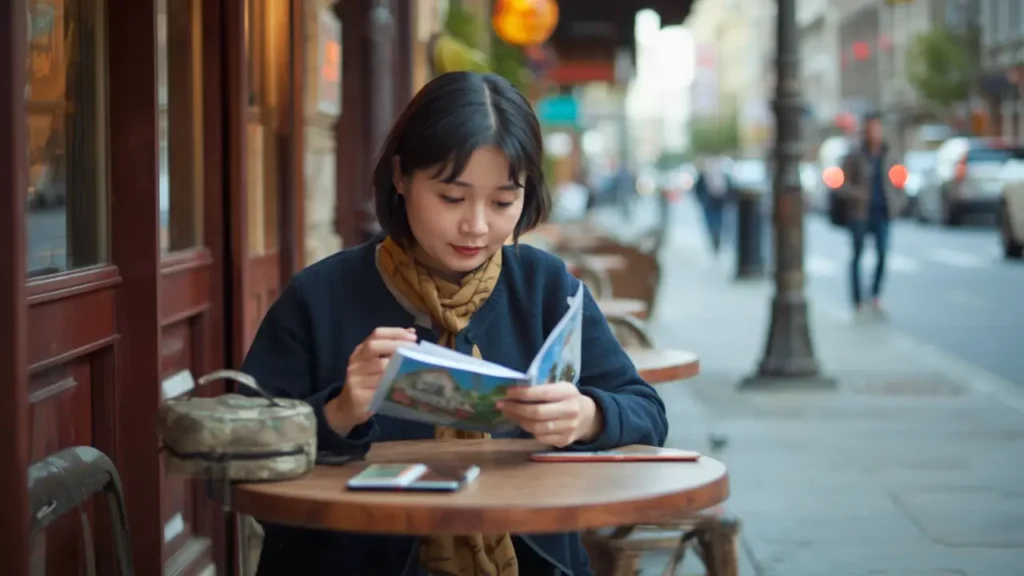
What to Do When You Feel Nervous Before Traveling Alone
Feeling nervous before a solo trip is normal.
Nervousness does not mean you are not ready. It means you are about to do something that matters.
Instead of trying to eliminate all fear, prepare in ways that make you feel supported.
You can:
- start with a short trip;
- choose an easier destination;
- book accommodation carefully;
- plan your arrival well;
- share your itinerary;
- research transportation;
- pack light;
- prepare emergency information;
- give yourself permission to rest;
- remind yourself that confidence grows through action.
Before your trip, write down what you are excited about and what worries you. Then create a practical answer for each worry.
If you are worried about getting lost, download maps.
If you are worried about arriving late, book a transfer.
If you are worried about loneliness, plan one tour or group activity.
If you are worried about language, save essential phrases.
If you are worried about feeling overwhelmed, schedule slow time.
Fear becomes easier to manage when it has a plan beside it.
To Travel Alone Without Abandoning Yourself
Solo female travel is not only about where you go.
It is about how you listen to yourself while you are there.
You do not need to copy someone else’s travel style. You do not need to be adventurous in a way that feels unsafe. You do not need to say yes to every invitation, wake up early every day, visit every landmark, or prove that you are brave.
Traveling alone can teach you a different kind of confidence.
The confidence to choose.
The confidence to leave.
The confidence to ask for help.
The confidence to rest.
The confidence to change plans.
The confidence to enjoy your own company.
A beautiful solo trip is not one where nothing unexpected happens.
It is one where you learn to take care of yourself through the unexpected.
With preparation, awareness, and trust in your own instincts, solo female travel can become more than a trip.
It can become a reminder that your life is yours to explore.
Discover More:

Gui Perine
Gui Perine is the creator of Your Life in Full Bloom, a lifestyle website for women who want to live with more intention, beauty, and freedom after 50.
Through thoughtful articles on home, travel, reinvention, and everyday choices, she explores what it means to build a fuller life in a new season — one that feels calmer, more personal, and more aligned with who you are becoming.
Her work is inspired by real-life transitions, the desire for independence, and the belief that life after 50 can be a time of clarity, possibility, and renewal.

2 thoughts on “Solo Female Travel Tips: 10 Smart Ways to Feel Safer”