

How the Middle East conflict is reshaping global tourism
The Middle East conflict tourism impact has become an increasingly important topic for travelers, airlines, and tourism boards around the world. While political tensions are concentrated in a specific region, their influence extends far beyond national borders.
Tourism is one of the industries most sensitive to geopolitical developments. Flight routes, traveler confidence, and destination choices can change rapidly when global events dominate international headlines.
Over the last two decades, the Middle East has also transformed into a major hub for global travel. Cities like Dubai in the United Arab Emirates and Doha in Qatar have evolved into international gateways connecting Europe, Asia, Africa, and Oceania.
Because of this strategic role, the Middle East conflict tourism impact is not limited to regional destinations. It can reshape travel patterns across continents, influencing everything from airline operations to the behavior of global travelers.
Understanding these shifts helps travelers make informed decisions and reveals how resilient the tourism industry can be in the face of global challenges.
Why global tourism reacts quickly to geopolitical tensions
The tourism sector operates on a delicate balance between curiosity and confidence. People want to explore the world, but they also want to feel safe while doing so.
The Middle East conflict tourism impact illustrates how quickly travel decisions can change when political instability becomes part of the global conversation.
Three major elements explain why tourism reacts so quickly.
Perception of safety
Even when destinations remain safe, media coverage of regional tensions can influence how travelers perceive an entire area.
Aviation connectivity
The Middle East sits at one of the most strategic crossroads of global aviation. Flights connecting Europe, Asia, Africa, and Australia frequently cross this region.
Economic ripple effects
Energy markets and airline fuel costs can fluctuate during geopolitical crises, which may affect travel prices worldwide.
Together, these factors help explain why the Middle East conflict tourism impact is felt across the global tourism ecosystem.
1. Global flight routes are being adjusted
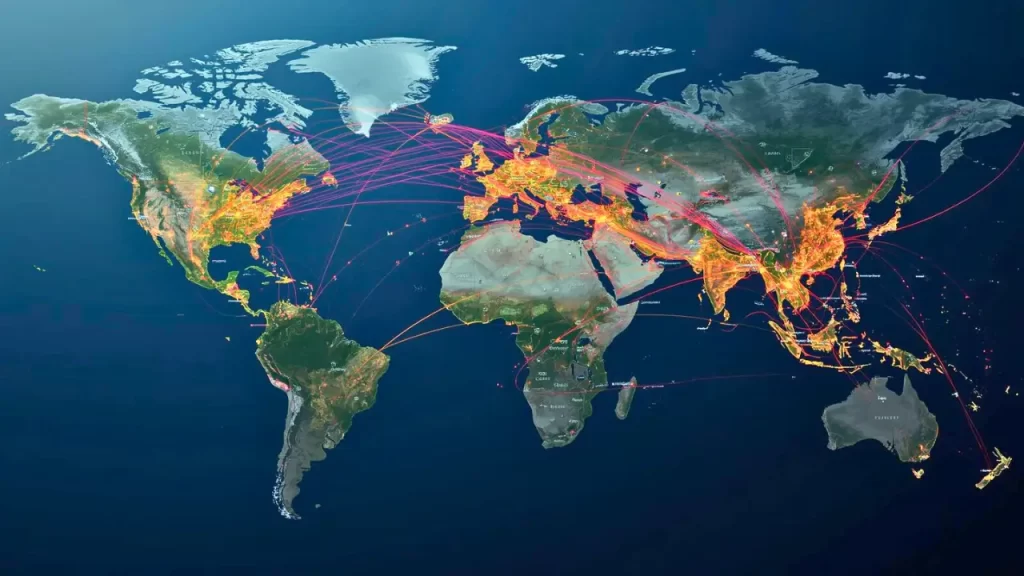
One of the most immediate consequences of geopolitical tensions is the adjustment of airline routes.
The Middle East conflict tourism impact becomes visible when airlines alter flight paths to avoid certain airspaces. While these changes are made primarily for safety reasons, they can affect travel times and logistics.
Potential effects include:
Longer travel times
Higher operational costs for airlines
More complex connections for passengers
Possible increases in ticket prices
For example, flights between Europe and Asia often rely on airspace corridors passing near the Middle East. Even minor route changes can influence travel duration and airline scheduling.
Fortunately, modern aviation systems are highly flexible, allowing airlines to adapt quickly.
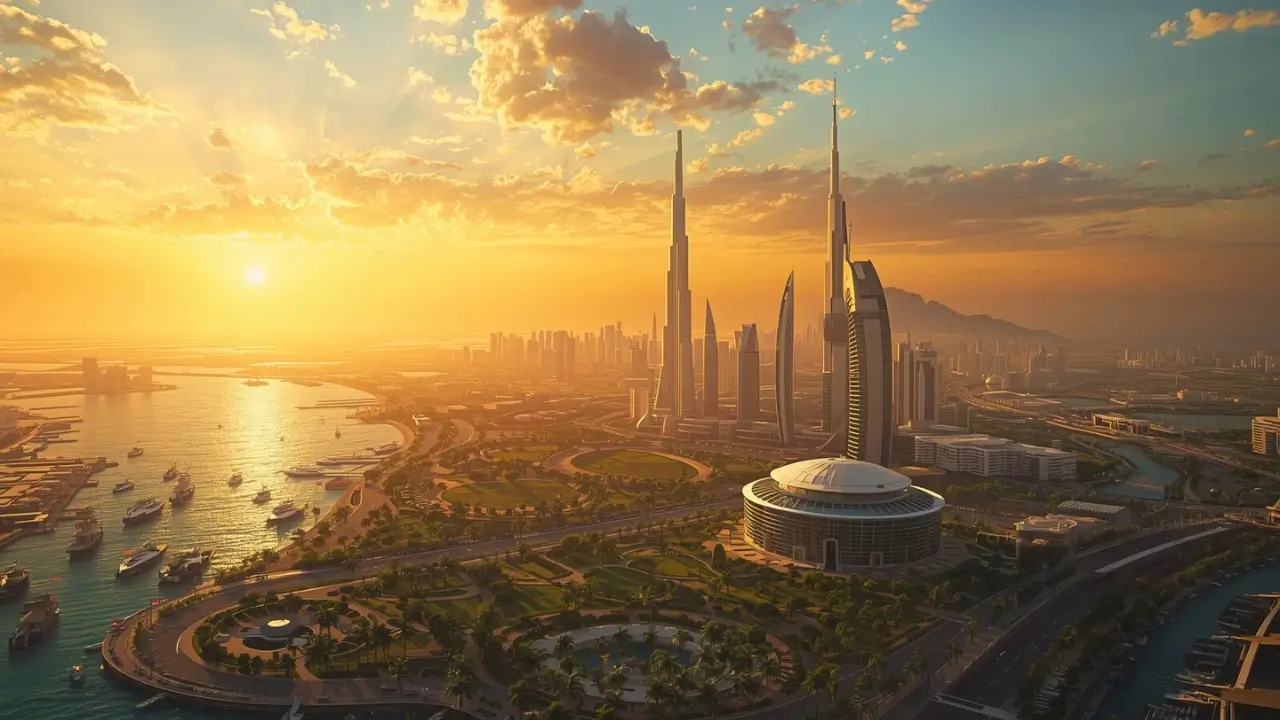
2. Dubai remains one of the world’s most influential tourism hubs
Dubai is one of the clearest examples of how the Middle East conflict tourism impact intersects with global tourism.
Over the past twenty years, Dubai has transformed into a global destination known for luxury, innovation, and world-class infrastructure.
The city attracts millions of visitors annually thanks to attractions such as:
Burj Khalifa
Palm Jumeirah
Luxury desert resorts
Massive shopping destinations
Architectural landmarks
Dubai International Airport is also one of the busiest international travel hubs in the world.
Because of its global importance, any regional tension inevitably raises questions among travelers. However, Dubai continues to maintain strong security systems and a well-established tourism infrastructure that supports international visitors.
3. Qatar’s tourism expansion after the World Cup
Another country significantly affected by the Middle East conflict tourism impact in terms of perception is Qatar.
After hosting the 2022 FIFA World Cup, the country dramatically expanded its tourism strategy. The capital city of Doha now promotes itself as a destination combining modern architecture, cultural experiences, and luxury hospitality.
Tourism attractions in Qatar now include:
The National Museum of Qatar
Museum of Islamic Art
Modern waterfront developments
Cultural festivals and events
Luxury hospitality projects
The country’s flagship airline, Qatar Airways, also plays a key role in connecting global travelers.
Although regional tensions may influence perceptions temporarily, Qatar continues positioning itself as a rising destination in international tourism.
4. Religious tourism in Jerusalem faces fluctuations
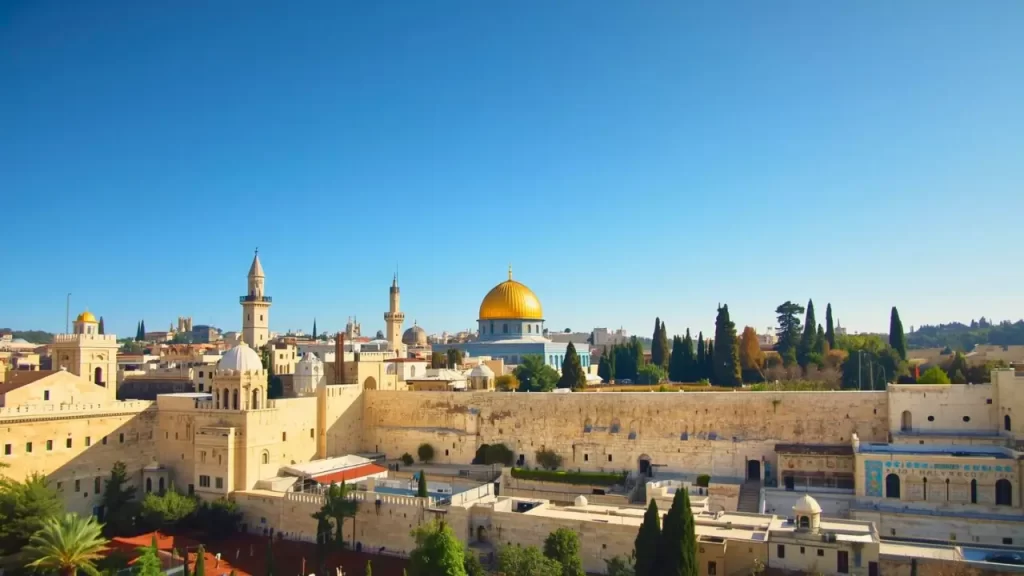
Jerusalem remains one of the most significant spiritual destinations in the world.
For millions of travelers, visiting the city is not only a cultural experience but also a profound religious journey.
The Middle East conflict tourism impact can affect pilgrimage tourism, particularly when tensions escalate and international travel advisories change.
The city holds deep significance for three major religions:
Christianity
Judaism
Islam
During periods of instability, organized religious tours sometimes postpone trips until conditions stabilize. Nevertheless, Jerusalem continues to be one of the most historically and spiritually important travel destinations on the planet.
5. Travelers are choosing alternative destinations
One of the most interesting aspects of the Middle East conflict tourism impact is how it reshapes traveler behavior.
Rather than reducing travel overall, geopolitical events often redirect tourism flows to other destinations.
During uncertain periods, travelers often favor destinations perceived as stable or familiar.
Common alternatives include:
Southern Europe
Southeast Asia
Latin America
Domestic travel within home countries
These shifts highlight the adaptability of global tourism and the evolving preferences of modern travelers.
6. Travel costs may increase due to global economic factors
Another dimension of the Middle East conflict tourism impact involves economic factors.
The Middle East plays a major role in global energy production and oil markets. When geopolitical tensions rise, fluctuations in fuel prices can occur.
Because fuel represents one of the largest operational expenses for airlines, this can influence travel costs.
Possible outcomes include:
Higher airfare prices
Increased package tour costs
More expensive long-distance travel
For travelers planning international trips, booking flights earlier and maintaining flexibility can help manage these changes.
7. Tourism continues to prove its resilience
Despite the challenges posed by geopolitical tensions, tourism has consistently demonstrated its resilience.
The Middle East conflict tourism impact may alter travel patterns temporarily, but the global desire to explore new places remains strong.
Throughout history, tourism has adapted to many challenges:
Economic downturns
Political tensions
Security concerns
Global health crises
Each time, the industry eventually recovered and often emerged stronger.
This resilience reflects a fundamental human curiosity about the world and the cultures within it.
Travel remains a powerful bridge between cultures
Travel is more than transportation or sightseeing. It is one of the most powerful ways to connect people, ideas, and cultures across borders.
While the Middle East conflict tourism impact may influence certain destinations and routes, it also reminds us how interconnected the global travel ecosystem truly is.
By staying informed and planning responsibly, travelers can continue to explore the world while supporting cultural exchange and global understanding.
In many ways, tourism remains one of the most positive forces connecting our increasingly complex world.

Gui Perine
Gui Perine is the creator of Your Life in Full Bloom, a lifestyle website for women who want to live with more intention, beauty, and freedom after 50.
Through thoughtful articles on home, travel, reinvention, and everyday choices, she explores what it means to build a fuller life in a new season — one that feels calmer, more personal, and more aligned with who you are becoming.
Her work is inspired by real-life transitions, the desire for independence, and the belief that life after 50 can be a time of clarity, possibility, and renewal.


1 thought on “7 Powerful Ways the Middle East Conflict Is Reshaping Global Tourism”