

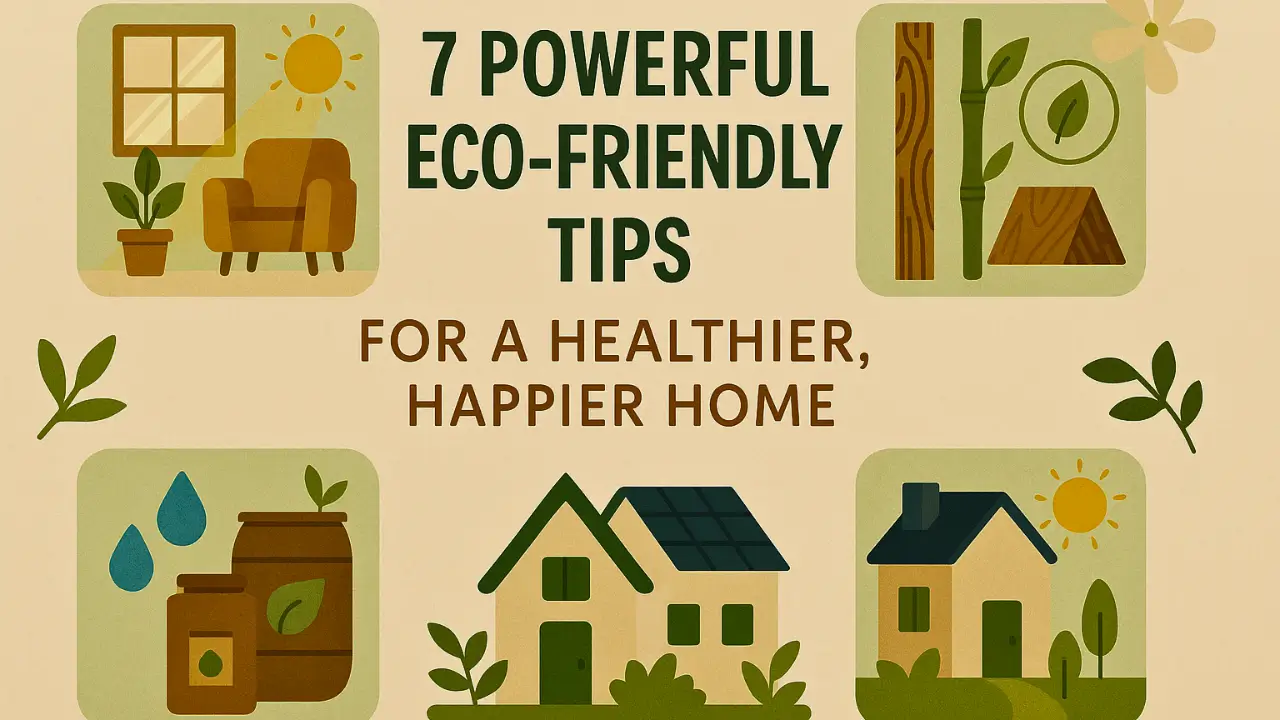
Smart Design, Gentle Living — Let Your Home Bloom Naturally
In an era where climate awareness is no longer a choice but a necessity, your home becomes a powerful starting point for meaningful change. Beyond aesthetics and comfort, every design decision, material choice, and system you install can either contribute to the planet’s well-being — or silently harm it.
But here’s the uplifting truth: you don’t need to live off-grid or build a high-tech futuristic house to make a difference. By embracing mindful, eco-friendly choices in your home, you can reduce your environmental impact, improve your quality of life, and create a beautiful space that nurtures you every day.
This guide will walk you through 7 inspiring principles that combine sustainability, elegance, and practicality — whether you’re renovating, redecorating, or starting from scratch.
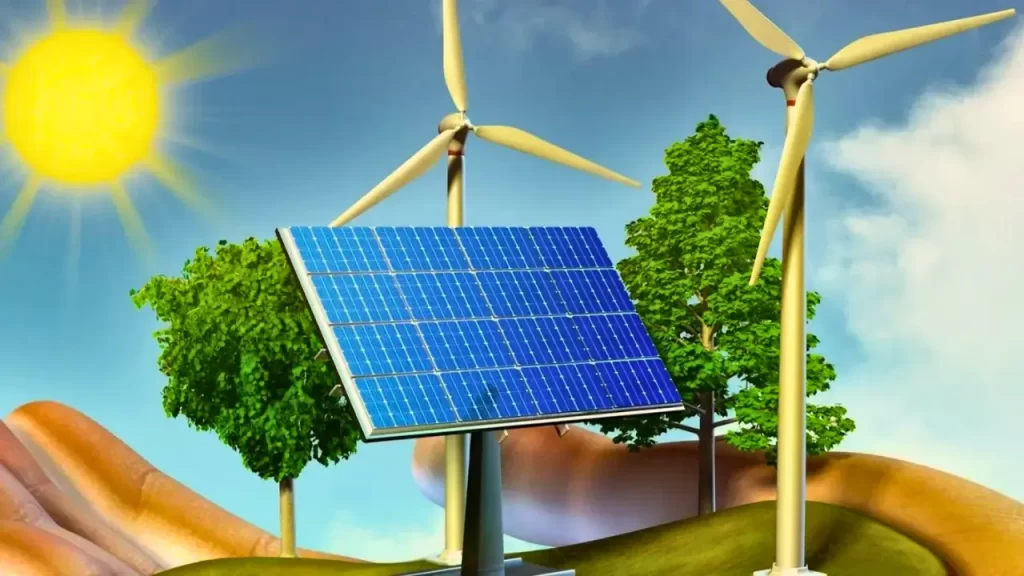
1. 🌞 Embrace Natural Light and Passive Solar Power
Sunlight is one of the most underutilized resources in modern home design. Yet it’s abundant, free, and deeply nourishing — both physically and emotionally.
What is Passive Solar Design?
It’s the art of orienting your home and arranging spaces in a way that maximizes heat and light from the sun — without relying on electrical systems.
🌱 Practical Ways to Harness Natural Light:
- Design your living areas to face the sun’s path (south in the Northern Hemisphere, north in the Southern Hemisphere).
- Install solar tubes or light shafts to illuminate dark hallways and interior bathrooms.
- Paint walls, ceilings, and floors in pale tones that reflect light naturally.
- Use mirrors strategically to bounce daylight into shadowy corners.
- Hang sheer curtains that let light in while maintaining privacy.
✨ Why it Matters:
Natural light reduces the need for artificial lighting and heating, lowers energy bills, and enhances your circadian rhythm — helping you sleep better and feel more energized. Studies also link natural daylight exposure to improved mood, focus, and even immune response.
Let your home be a space where light dances.
2. 🌱 Choose Eco-Friendly Building and Finishing Materials
Every material used in your home has a story — where it was sourced, how it was processed, and where it will end up after use. Eco-conscious choices reduce your home’s environmental footprint while creating a healthier living space for your family.
🌱 Sustainable Materials to Prioritize:
- Reclaimed wood: Adds character and avoids deforestation.
- Cork: Naturally renewable, sound-absorbing, and water-resistant.
- Bamboo: Grows rapidly and is incredibly strong and versatile.
- Recycled metal or glass: Great for countertops and décor accents.
- Low-VOC paints: Avoid chemical off-gassing, which can harm indoor air.
- Clay plaster and natural lime: Provide breathable, mold-resistant walls.
🏡 Bonus Tip:
Shop locally when sourcing materials — reducing transportation emissions and supporting your community’s economy.
✨ Why it Matters:
Choosing responsibly-sourced and non-toxic materials helps protect ecosystems, reduces landfill waste, and improves indoor air quality — especially important if you have children, pets, or respiratory sensitivities.
3. 💧 Practice Smart and Sustainable Water Use
Water scarcity is one of the greatest environmental issues of our time — yet the average household wastes thousands of liters each year. Sustainable water practices are easy to implement and save you money in the long run.
🌱 Ideas for Water Conservation:
- Install dual-flush toilets and low-flow showerheads to reduce daily water use by up to 50%.
- Use rainwater barrels to collect runoff for garden irrigation.
- Set up a greywater system to reuse water from laundry and sinks.
- Replace lawns with native plants and xeriscaping (landscaping that requires little to no irrigation).
- Use mulch to retain soil moisture and reduce watering frequency.
- Fix leaky faucets and toilets — even a small drip wastes gallons a day.
✨ Why it Matters:
Freshwater is a finite resource. Conserving it not only supports sustainability but also ensures future generations have access to clean water. Plus, reducing water use can dramatically lower utility costs over time.
4. ⚡ Upgrade to Energy-Efficient Appliances and Systems
If you could make a few upgrades to significantly reduce your home’s energy use and carbon footprint — wouldn’t you? Thanks to modern innovations, energy efficiency is more accessible than ever.
🌱 High-Impact Upgrades:
- ENERGY STAR appliances: Use 10–50% less energy and water.
- Smart thermostats: Adjust temperature based on your habits and presence.
- LED lights: Use 75% less energy and last 25x longer than incandescent bulbs.
- Geothermal heating and cooling: Use underground temperatures for more efficient climate control.
- Induction cooktops: Heat faster and more efficiently than gas stoves.
🧠 Smart Tech Additions:
- Home energy monitors help you understand where you’re using (and wasting) electricity.
- Solar panel systems — especially when paired with battery storage — can power your home and even feed energy back to the grid.
✨ Why it Matters:
Energy-efficient homes are better for the planet and your wallet. Over time, you save thousands in utility bills and add significant value to your home.

5. 🍃 Prioritize Indoor Air Quality with Natural Elements
We spend up to 90% of our lives indoors, yet indoor air can be significantly more polluted than outdoor air due to off-gassing, mold, and chemical cleaners. The solution? Nature.
🌿 How to Breathe Easier Indoors:
- Use cross-ventilation to circulate fresh air through your home daily.
- Decorate with air-purifying plants like snake plants, aloe vera, peace lilies, and spider plants.
- Choose natural fibers for rugs, curtains, and furniture (avoid synthetic or flame-retardant materials).
- Use essential oil diffusers instead of plug-in fresheners.
- Clean with plant-based products free of bleach, ammonia, and fragrances.
- Keep humidity levels balanced to prevent mold — 40-60% is ideal.
✨ Why it Matters:
Clean air improves sleep, concentration, lung health, and even reduces the risk of chronic disease. Adding plants not only purifies but also enhances relaxation and emotional balance.
6. ♻️ Design for Waste Reduction and Conscious Consumption
A sustainable home is a thoughtfully organized home — one that supports habits like composting, recycling, upcycling, and reusing with ease.
🌱 Waste-Conscious Home Design Tips:
- Create an accessible waste sorting station in the kitchen or garage.
- Keep a compost bin near your prep area for easy food scrap collection.
- Designate a donation drawer for items you no longer use.
- Store bulk items in glass jars or cloth bags to reduce packaging waste.
- Add a repair and DIY station with basic tools and parts for fixing before tossing.
🌻 Declutter with Purpose:
Decluttering isn’t just about space — it’s about alignment. When you reduce excess, you also reduce your environmental impact and make room for what truly supports your lifestyle.
✨ Why it Matters:
Every item you reuse or divert from the landfill helps reduce pollution, conserve energy, and foster a circular economy mindset.
7. 🧠 Automate with Purpose: Eco-Smart Home Tech
Sustainability doesn’t have to be manual. The right smart systems can turn your home into an eco-friendly powerhouse that practically runs itself — with lower emissions and higher peace of mind.
🌱 Smart Solutions Worth Considering:
- Smart blinds that open and close based on sun position.
- Automated irrigation systems that respond to weather forecasts.
- Leak detectors that alert you to hidden pipe damage.
- Smart plugs to cut power to unused electronics (phantom energy can account for 10% of your bill).
- Voice-activated lights and HVAC controls to reduce unnecessary use.
🧘♀️ Digital Minimalism Matters:
Avoid over-automation that complicates your lifestyle. Choose smart tools that simplify, not overwhelm, your routines.
✨ Why it Matters:
Mindful tech use helps you reduce waste, conserve energy, and live more in tune with your environment — without constant effort.
🌼 Your Home, Your Legacy of Care
An eco-friendly home is more than a trend — it’s a living statement of your values. It says you care about your health, your family’s future, and the world you’re helping shape. It’s about living with less impact, more intention.
Remember:
- You don’t need to do everything at once.
- Start small and build over time.
- Progress is more important than perfection.
🌿 Whether you choose to start with a smart thermostat, plant a pollinator garden, or simply switch to natural cleaning products, each step moves you closer to a greener life.
Let your home bloom beautifully — with purpose, peace, and sustainability.
💬 What’s the first eco-tip you’ll put into practice?
Share your thoughts in the comments, or tag us on Instagram @yourlifeinfullbloom to show how your home is blooming greener!
🌐 Explore more tips, projects, and inspiration at yourlifeinfullbloom.com — where mindful living meets beautiful design.

Gui Perine
Gui Perine is the creator of Your Life in Full Bloom, a lifestyle website for women who want to live with more intention, beauty, and freedom after 50.
Through thoughtful articles on home, travel, reinvention, and everyday choices, she explores what it means to build a fuller life in a new season — one that feels calmer, more personal, and more aligned with who you are becoming.
Her work is inspired by real-life transitions, the desire for independence, and the belief that life after 50 can be a time of clarity, possibility, and renewal.

5 thoughts on “7 Powerful Eco-Friendly Tips for a Healthier, Happier Home”