

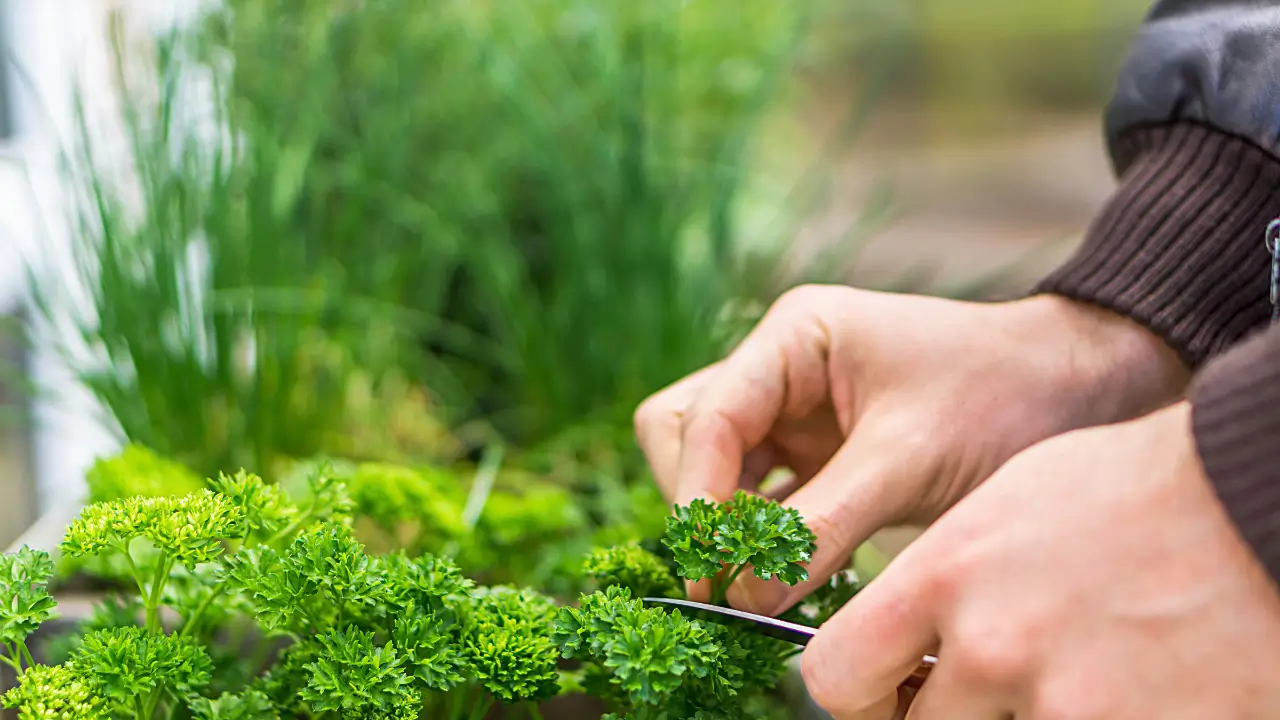
Creating a low-maintenance herb garden indoors is one of the easiest ways to bring freshness, flavor and well-being into your home. With minimal care, the right setup and a few smart choices, anyone can enjoy a steady supply of aromatic herbs throughout the year. Whether you live in a small apartment or want a greener, more mindful lifestyle, indoor herbs offer beauty, practicality and a touch of nature always within reach.
Below you’ll find a complete guide with techniques, tips, beginner-friendly tools and herb suggestions that thrive even if you don’t have experience with gardening.
Why a Low-Maintenance Herb Garden Indoors Is a Smart Choice
Starting a low-maintenance herb garden indoors goes far beyond cooking convenience. It improves air quality, supports mindful living and reduces grocery waste. Indoor herbs require little space, adapt well to various home environments and grow quickly, making them perfect for beginners or busy families.
Other benefits include
• fresh ingredients always available
• reduced dependence on store-bought herbs
• increased home comfort and visual appeal
• stress reduction through daily contact with nature
Essential Tools for Your Indoor Herb Garden
Before planting your first seeds or seedlings, a few simple items will help keep maintenance low:
1. Proper Containers with Drainage
Choose pots with drainage holes to prevent water buildup. Small terracotta or ceramic pots work beautifully indoors.
2. Quality Potting Mix
Use a light, aerated potting mix formulated for indoor plants. Avoid dense outdoor soil that retains too much moisture.
3. Supplemental Lighting (if needed)
A compact LED grow light ensures healthy growth in darker homes. This keeps care minimal, especially in winter.
4. Watering Tools
A small watering can or spray bottle helps you maintain moisture without overwatering.
Choose the Easiest Herbs for Indoor Growing
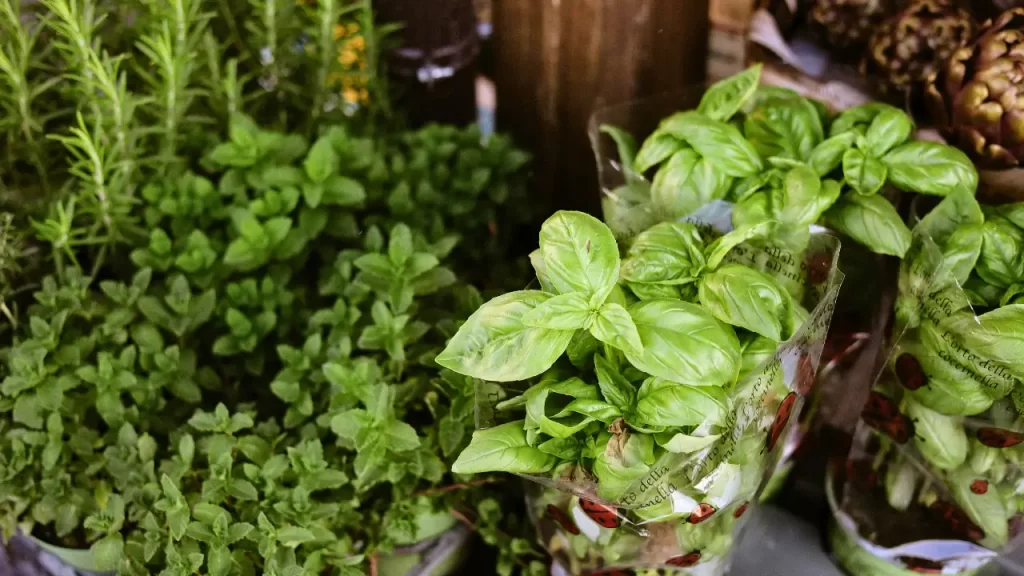
Not all herbs behave the same indoors. These low-effort varieties thrive with minimal attention:
Basil
Fast-growing, aromatic and perfect for sunny windows.
Mint
Extremely hardy and forgiving. Ideal for beginners.
Parsley
Does well in indirect light and tolerates cooler temperatures.
Chives
Grow quickly and regenerate after every harvest.
Thyme
Low-maintenance, drought-tolerant and perfect for compact spaces.
Oregano
Aromatic and resilient, excellent for Mediterranean dishes.
These herbs offer quick gratification and survive occasional care lapses, making them ideal for your low-maintenance herb garden indoors.
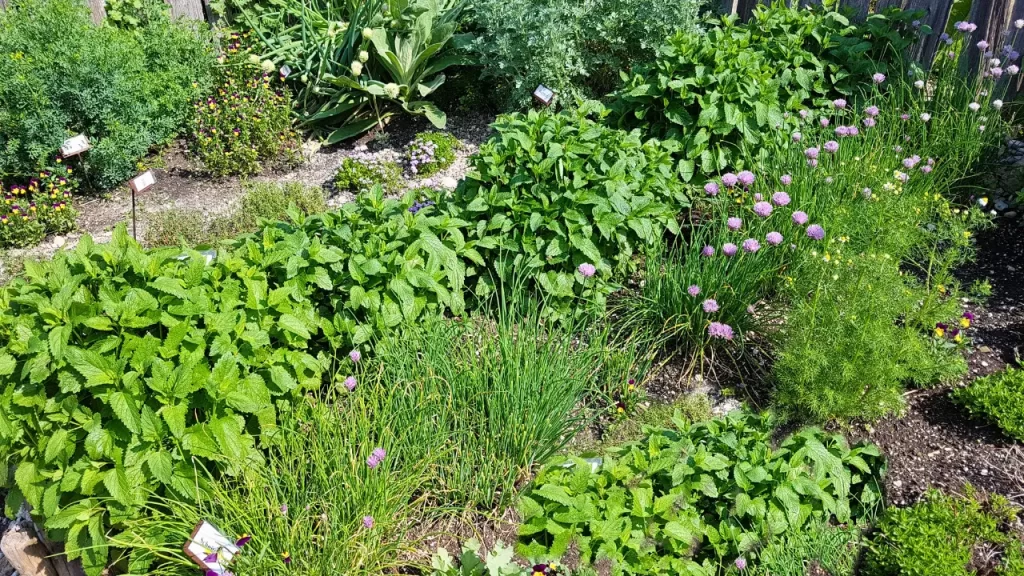
7 Clever Ways to Start Your Low-Maintenance Herb Garden Indoors
1. Pick the Best Spot with Natural Light
Herbs love sunshine. A bright windowsill facing east or south is ideal. If your home has limited natural light, combine sunlight with a small grow light. Just a few hours a day dramatically improves growth and reduces maintenance.
2. Start with Seedlings Instead of Seeds
Seedlings require less effort, grow faster and give you an instant sense of progress. For busy beginners, this is the simplest path to success.
3. Use Self-Watering Containers
Self-watering pots or planters with reservoirs keep moisture levels stable and help prevent overwatering, the most common cause of herb loss.
4. Water Only When Needed
Check the soil with your fingertip. If the top inch is dry, it’s time to water. Consistency is more important than frequency, keeping your herb garden low-maintenance and healthy.
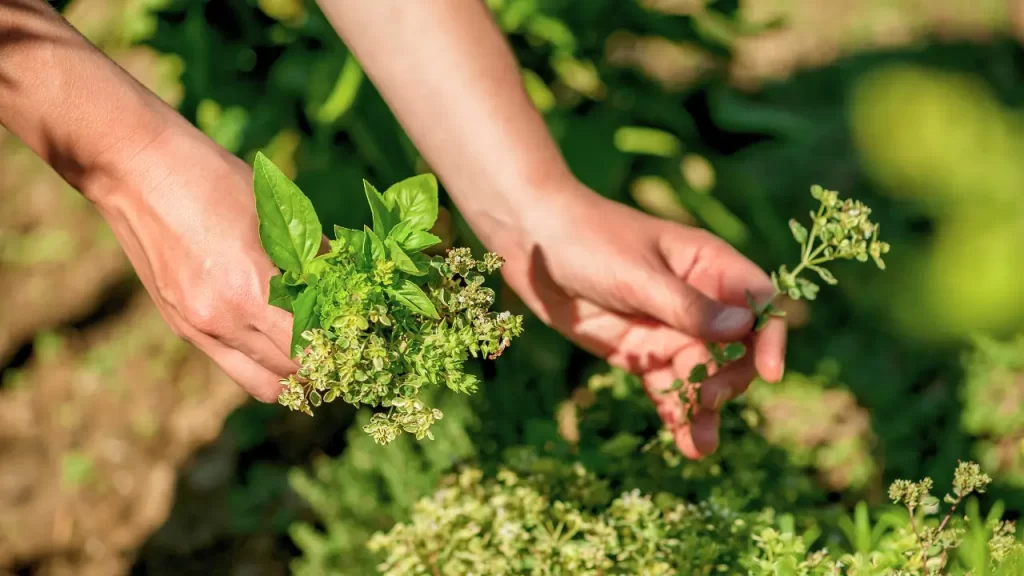
5. Harvest Regularly to Encourage Growth
Pinch the top leaves instead of pulling from the bottom. This encourages fuller, bushier plants and keeps herbs producing longer.
6. Group Herbs with Similar Needs
Place water-loving herbs like basil and parsley together, and keep drought-tolerant ones like thyme and oregano in another section. This avoids mistakes and simplifies care.
7. Boost Soil Nutrients the Easy Way
Use a mild liquid fertilizer every 3 to 4 weeks. Indoor herbs grow continuously and appreciate gentle feeding. Avoid strong fertilizers that can harm delicate roots.
Common Mistakes to Avoid in Indoor Herb Gardening
Even low-maintenance gardens benefit from a few precautions:
• Avoid placing herbs near heaters or air conditioners
• Do not let pots sit in stagnant water
• Do not mix incompatible herbs in the same container
• Do not prune excessively
• Avoid dark, humid corners of the home
Simple adjustments like these keep plants thriving with minimal effort.
Creative Ways to Display Your Indoor Herb Garden
An indoor herb garden can double as home decor. Try these ideas:
Hanging Herb Bar
Use small hanging planters to save counter space and add visual charm.
Magnetic Herb Wall
Attach pots to a metallic board on the kitchen wall.
Tiered Shelving
A tiered stand keeps herbs organized and makes watering easier.
Kitchen Counter Trio
Three small pots placed together create a beautiful, minimalistic arrangement.
Practical Uses for Your Indoor Herbs
Your low-maintenance herb garden indoors becomes even more rewarding when you use the harvest daily:
• enhance meals with fresh flavors
• infuse olive oil, vinegars or teas
• create natural room fragrances
• add herbs to smoothies, soups or salads
• craft homemade wellness remedies
• decorate meals with edible greens
Growing herbs improves not only your home but your overall lifestyle.
When to Repot or Replace Your Herbs
Indoor herbs eventually outgrow their pots. Signs they need extra space include:
• roots emerging from drainage holes
• slow or stunted growth
• soil drying too quickly
Repot into a container one size larger, and refresh the soil once or twice a year to maintain nutrient balance.
A Gentle Routine for a Healthy Indoor Herb Garden
A weekly checklist keeps everything simple and stress-free:
• check soil moisture
• rotate pots for even light
• prune lightly
• remove yellow leaves
• observe pests or mold
• ensure drainage is working
This routine takes less than 10 minutes and supports consistent growth.
If this guide inspired you to build your own indoor herb corner, share it with someone who’s dreaming of a greener, healthier home. Growing herbs is simple, soothing and transformative. Let more people enjoy it.
Explore More From YourLifeInFullBloom.com
- 7 Natural Ways to Create a Peaceful Home Sanctuary
- Amaryllis Flower: 7 Fascinating Facts That Celebrate Its Beauty
- Small Space, Big Impact: 9 Minimalist Decor Ideas That Work
- Haboob Storms: 7 Essential Facts for Safety and Awareness
- Feng Shui Made Easy: 12 Steps to Transform Your Home

Gui Perine
Gui Perine is the creator of Your Life in Full Bloom, a lifestyle website for women who want to live with more intention, beauty, and freedom after 50.
Through thoughtful articles on home, travel, reinvention, and everyday choices, she explores what it means to build a fuller life in a new season — one that feels calmer, more personal, and more aligned with who you are becoming.
Her work is inspired by real-life transitions, the desire for independence, and the belief that life after 50 can be a time of clarity, possibility, and renewal.


ok