
The Amtrak roomette vs bedroom decision comes down to what you will need after the train is dark and the beds are down. An Amtrak Roomette gives one or two passengers a private compartment and two berths in a compact footprint. An Amtrak Bedroom gives you additional room and an enclosed bathroom with a shower. Both can make an overnight journey more comfortable than staying in a seat. For two travelers who need lower sleeping surfaces or someone who needs an accessible route through the car, the booking question may extend beyond these two categories.
Start with the least flexible part of your trip. Can one traveler climb into an upper berth? Will you want a toilet within the room? Can you manage the walk to the dining car while the train is moving? A realistic answer to any one of those questions can save you more time than a dozen photos of neatly made beds. Here’s how to compare the rooms, check the equipment, and make a decision you can live with for the whole trip.
Amtrak Roomette vs Bedroom at a Glance
A Roomette makes the most sense when privacy, a flat place to sleep, and a smaller fare matter most. A Bedroom offers more daytime living space and lets you close the door between your bed and the shared corridor when you need the bathroom at night. A Bedroom still normally has an upper and a lower berth, so the upgrade does not automatically give two adults separate lower beds. Review the photos and room details on Amtrak’s private room pages before choosing.
Think about room selection in this order. Rule out layouts that cannot meet your needs. Then compare fares for the same people, dates, and routing. Finally, decide whether you would rather spend the difference on space aboard the train or on something at your destination. Once you separate physical requirements from preferences, the price comparison becomes much easier.

How a Roomette changes from day to night
During the day, the facing seats make good use of a small compartment. At night, they convert to a lower berth and a second berth folds down from above. The change in configuration matters more than the daytime photo suggests. A bag that fits easily beside a seat may get in your way when you need to stand up and close the door after the bed is made. Pack an overnight pouch you can keep in reach and find out what other storage is available before counting on space for a full-size suitcase.
For a solo traveler, the compact layout can be a good trade. You can normally use the lower bed and keep the upper berth out of your evening plans. For two people, talk about the upper berth before you buy tickets, even if the trip is months away. Try describing the sequence out loud: one person climbs up, a bag needs to move, someone needs the bathroom in the middle of the night. Any step that sounds awkward in your bedroom at home will still be there when the train starts moving.
What the Bedroom upgrade actually changes
Amtrak describes its Bedroom as offering more space than a Roomette, with a sofa and separate chair by day and two berths by night. The enclosed toilet and shower are the clearest practical differences. A private bathroom is especially appealing if you wake frequently, want more privacy while washing up, or prefer to avoid stepping into the corridor in sleep clothes. Look at Amtrak’s Roomette and Bedroom comparison to see how the seating and bathroom fit into each design.
A sleeper toilet and shower still occupy a small moving compartment. If your concern is room for transfers, the position of a rail, or space for an assistive device, compare Amtrak’s Accessible Bedroom information and talk through your requirements before buying. A larger price tag and an attached bathroom tell you little about whether the path inside that room will work for your body.
Confirm the Train and the Sleeping Car
Amtrak uses Superliner and Viewliner sleeping cars. Superliners have two levels and Viewliners have one. The equipment affects the room arrangement and your path to shared facilities. Some Viewliner Roomettes have an in-room toilet depending on the car version. An in-room toilet in a compact compartment also offers a different degree of privacy from a Bedroom’s enclosed bathroom. Before assuming that a description or photo applies to your trip, check the route, train number, and the facilities for the room Amtrak is offering you.
A trip with a connection can involve two different trains even if you buy it as a single itinerary. Write down each segment separately. Next to each, note whether there is an overnight stretch, what accommodation appears in the fare, and how long you expect to be aboard. If you can book a sleeper for just the overnight leg, that may free part of your budget for a more suitable room on the segment where you will use it. Check the whole booking carefully so you know what accommodation each traveler has on each leg.
Ask about the route to the room
On a two-level car, stairs can affect the trip as much as the berth. A lower-level room can make some movements simpler, depending on the train and station. It can still leave a question about getting to another car or using particular services. Ask how boarding works at both ends, what level the room is on, and how you would get to the restroom and meals. Ask separately about help offered at your station and assistance aboard. They are different parts of the trip and one answer does not settle both.
If the details matter for your ability to travel, start with Amtrak’s accessible travel services. Use the same habit you would use to verify hotel room accessibility: describe the exact movement you need to make and ask whether the space supports it. A question about reaching the bathroom with a walker gets you further than asking whether a room is comfortable or easy to use.
Compare the Fare by the Night, the People, and the Trade-Off
Open the room choices for the same itinerary in one sitting and enter the full party size before taking down prices. Record the final total shown for the Roomette and Bedroom and the terms attached to each fare. A quote captured in the morning and a quote retrieved after a date change cannot isolate what the room itself costs. Check change or cancellation terms while you have the offers in front of you, especially when you are coordinating a connection or meeting someone at the destination.
Imagine an itinerary with one night in each direction. If the Bedroom costs $200 more outbound and $400 more on the return, that is a $600 total difference for both upgrades. Those are made-up numbers you can replace with actual quotes. If your return departure is late and the trip will mostly be spent asleep, put the lower fare and your likely nighttime needs side by side. For an outbound leg with a long daytime segment, two travelers might value the extra seating enough to put the upgrade there. The trip can have a different room each way if the booking options allow it.
When an upgrade takes money from other travel plans, be specific about what you are exchanging. Would you give up a hotel near the station, a transfer after dark, or an extra night at the destination? Our guide to setting a retirement travel budget can help you compare those costs on the same sheet. The best fare for your trip is the lowest one that gives you a workable night and leaves enough money to make the rest of the itinerary run smoothly.

Consider another layout if both travelers need a lower berth
Price two Roomettes if both adults need lower berths and separate rooms would work. Ask whether Amtrak can assign them near each other before making proximity part of the plan. Two rooms can provide separate downtime and sleeping space, but they also mean using each room’s bathroom arrangements and potentially being separated by more of the car than you expected. If one traveler needs help at night, talk through whether separate compartments are practical before booking them. An Accessible Bedroom is a separate option for travelers who need its features. Check availability and current reservation information directly with Amtrak.
Match the Room to the Way You Travel
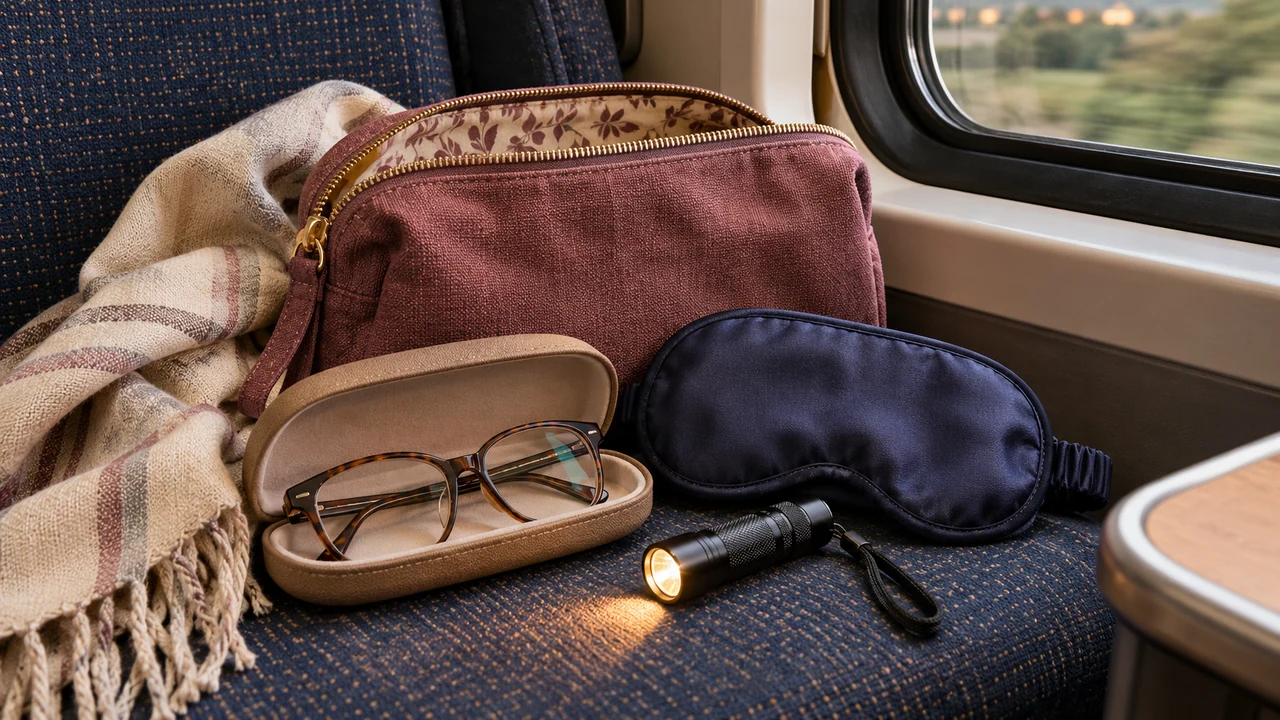
For a solo traveler on a first overnight trip, a Roomette can be a sensible starting point if you can use the restrooms provided and are comfortable with compact storage. Choose a short list of things to keep by the bed. Start with your glasses, a phone, a small light, and shoes you can put on without turning on every light in the compartment. Keep items you may need during the night in your own pouch so you can find them without unpacking a larger bag.
For two travelers who expect to spend much of the day in the room, picture the longest stretch between stops. One person may want to read while the other naps or needs space to stand up. Compare the daytime seat arrangement and decide whether the additional room will get used. If both of you expect to alternate between the dining area, the window, and the room, a compact compartment may be enough. Consider how much freedom each traveler will realistically have to move around the train.
If your first overnight ride is part of returning to travel after a life change, give the arrival day room to breathe. A room that meets your needs can still be unfamiliar, and the timing of meals and sleep can be different from your routine. A simple first afternoon with an easy route to your accommodation can make the whole trip feel much less demanding.
Make an evening plan while it is still light
Ask the sleeping car attendant about the bed setup and what to expect for meals on that particular train. Locate the facilities you plan to use while you are awake and oriented. Try stepping out and back in with the bag in its evening spot. Move anything that you would have to step over in the dark. On a trip where you are boarding late, do the same check when you arrive and before you settle in. Those small adjustments make more difference to your first hour in the room than trying to decorate it like a hotel.
To make the morning easier, put your arrival clothes and essentials together before bedtime. If you are scheduled to leave the train early, find out when and how the attendant will let you know your stop is near. Plan where you will wait for pickup or get the next connection, and keep that information available offline. Once the basics are in place, you have more time to enjoy what you came for: the scenery as it rolls past your window.
Frequently Asked Questions
These details can settle an Amtrak roomette vs bedroom decision when you’ve narrowed it down to a particular train and date.
Does an Amtrak Roomette have a private bathroom?
A Roomette generally does not provide the same enclosed toilet and shower as a Bedroom. The equipment on your train affects which facilities are in the room and which are shared. Ask Amtrak about the actual car if you need a specific setup and verify where you would go for a shower as well as for a toilet.
Can two adults sleep in one Amtrak Roomette?
Amtrak lists the Roomette for one or two travelers. The beds are arranged as a lower and upper berth, so two adults should plan around who will use the upper one. Check published dimensions and ask about the access to that berth if climbing, turning, or getting down at night could be difficult.
Are meals included when you book a private room?
Amtrak lists complimentary meals with its private room accommodations. Dining service and what you can expect onboard vary by route. Check the information for the specific train and ask about meal timing if your boarding or arrival falls close to a meal. If reaching the dining area is a concern, ask what arrangements are available on your trip.
Is an Amtrak Bedroom worth the extra fare for one night?
It may be if the enclosed bathroom or room to move solves a problem you expect to face during the night. For one traveler using the lower berth with an easy route to the shared facilities, the Roomette may provide everything needed. Compare the exact price gap against your schedule and the features you would actually use.
Can I tell which room or level I’ll get before paying?
Ask Amtrak to confirm what the reservation shows for each leg. If a location, lower-level assignment, or accessible feature is essential, explain that before purchasing and ask how equipment or assignment changes would be handled. Keep your confirmation handy and raise any discrepancy as soon as you notice it.
Before you book, write three lines beside the fare you are considering: where each traveler will sleep, where each will go to the bathroom at night, and what each will carry into the room. If you can answer all three without relying on a photo from a different train, you have a concrete reason to choose that room. The rest of the planning can go back to the pleasure of watching the country go by.

Gui Perine
Gui Perine is the creator of Your Life in Full Bloom, a lifestyle website for women who want to live with more intention, beauty, and freedom after 50.
Through thoughtful articles on home, travel, reinvention, and everyday choices, she explores what it means to build a fuller life in a new season — one that feels calmer, more personal, and more aligned with who you are becoming.
Her work is inspired by real-life transitions, the desire for independence, and the belief that life after 50 can be a time of clarity, possibility, and renewal.